
Grassroots health sessions spark change in food habits and ulcer prevention awareness
In Juba, South Sudan, community health sessions are equipping families with vital knowledge on food safety, hygiene, and ulcer prevention—changing everyday habits and saving lives

Author: Angelina Adut
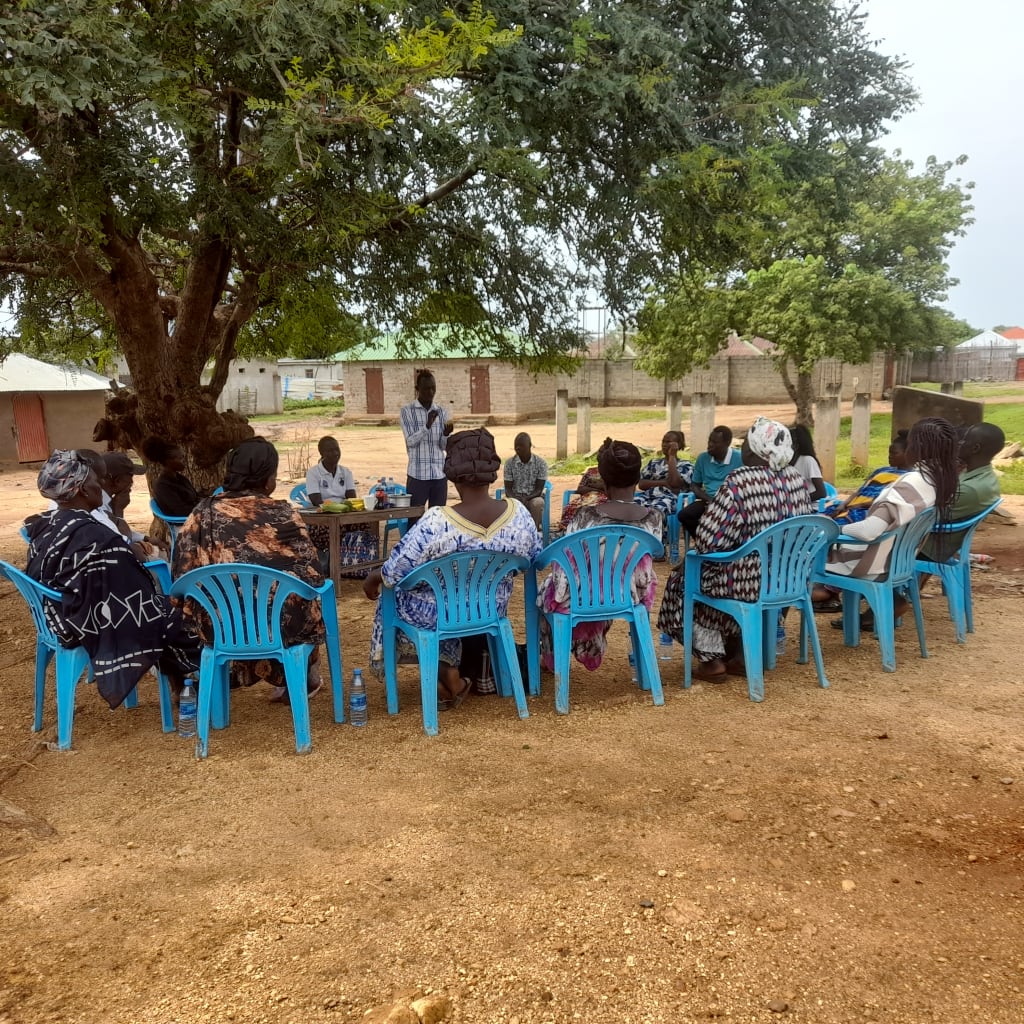
In the quiet outskirts of Juba, in Central Equatoria State, small gatherings in Rokwe Jengeli and Hai Baraka communities are sowing the seeds of health awareness—one conversation at a time.
Over two days in early August, residents, many of them women and a few men, sat together to learn about food safety, healthy eating, and the growing health threat of stomach ulcers. The sessions were informal but strikingly informative, delivered in the local language and tailored to reflect the community’s day-to-day realities.
In total, 35 participants participated in the sessions— eighteen (18) in Hai Rokwe (also known as Jengeli) on August 6th and seventeen (17) in Hai Baraka on August 9th. Most of them had never taken part in any formal health education.
“It opened my eyes,” said Joseph, a local health officer in Rokwe Jengeli. “I’ve always used plastic bags to carry hot food. I didn’t know how dangerous that could be. Now I’ll make sure my family stops this habit.”
For others, the lessons were even more personal. A mother from Hai Baraka said she now understands the harm of skipping meals—something she thought was just a normal part of a busy day.
“I never knew drinking soda on an empty stomach could hurt my children. Now I’ll be more careful,” she said, her voice low but firm.
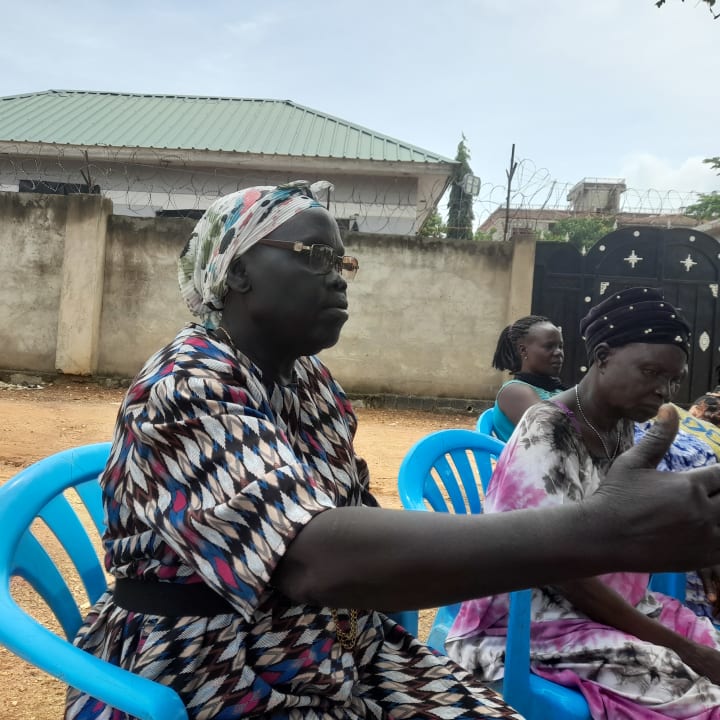
At the heart of the sessions was a simple but often overlooked message: everyday habits—like using polythene bags for hot food or ignoring regular meals—can lead to serious health issues. The sessions were held in open community spaces and led by local health advocates.
Emmanuel Karaba, the Executive Director at the Excellence Foundation for South Sudan (EFSS), the outreach organisers, said the response from the community has been both humbling and motivating.
“These are people who rarely get access to health information,” he said. “They were not only listening—they were asking questions, taking notes, and even promising to teach others.”
Participants urged that such sessions be expanded to other villages, saying the topics discussed affect them daily but are rarely addressed.
While these gatherings were small, the lessons learned have already begun to ripple through households. And in a country where healthcare access remains limited, the simple act of sharing knowledge may be one of the most powerful tools communities have.
At the Excellence Foundation for South Sudan, we are a force of intervention, always acting to enhance the best interests of communities to realise an improved standard of living. The organisation provides education, leadership development, and community-building initiatives to support individuals and marginalised communities through grassroots activities encouraging literacy, community peace, tolerance, and development.
We invite you to join us in our mission. Your generous support can help us continue our work and reach even more needy individuals. If you want to make a difference, please don’t hesitate to donate. Contact us via email at [email protected] or send us a WhatsApp message. Together, we can build a brighter future for South Sudan. Thank you for your support!
About the Creator
Excellence Foundation for South Sudan
We are a volunteer-based national nongovernmental and non-profit organisation championing education support initiatives and socio-economic development.
We visualize a society where everyone has the opportunity for a high-quality life.
Keep reading
More stories from Excellence Foundation for South Sudan and writers in Writers and other communities.
Your Chevening Scholarship Application Guide 2025/26
Author: Leju BM Jansuk Chevening ScholarshipThe Chevening Scholarship application process is an arduous one. You must do your homework thoroughly, beginning with reading ALL guidance, tips, and other information available on their website.
By Excellence Foundation for South Sudan5 months ago in Writers



Comments
There are no comments for this story
Be the first to respond and start the conversation.