
Golden Triangle Tour packages
Golden Triangle Tour India
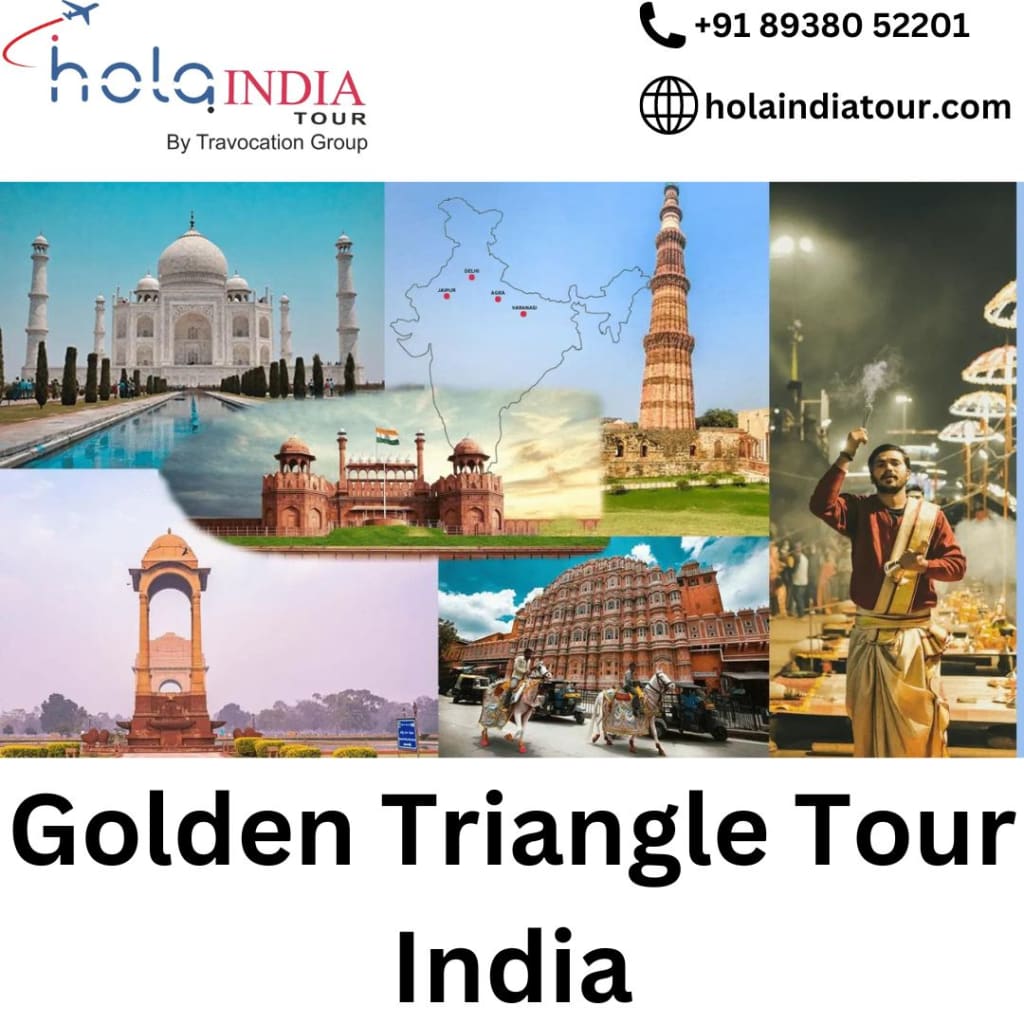
The Golden Triangle Tour of India is one of the most popular and captivating tourist circuits in the country. It typically covers three iconic cities: Delhi, Agra, and Jaipur, forming a triangle on the map. This tour is renowned for offering a diverse blend of history, culture, and architectural marvels that reflect India's glorious past. Here’s a detailed look into this tour:
1. Delhi: The Heart of India
Delhi, the capital city of India, is where most Golden Triangle tours commence. A bustling metropolis, it is a vibrant blend of the old and new. The city offers a fascinating journey through time, with its rich historical monuments, grand forts, ancient mosques, and lively bazaars. Some key attractions in Delhi include:
Red Fort: A UNESCO World Heritage site, the Red Fort is an imposing structure made of red sandstone. Built by Mughal Emperor Shah Jahan, it symbolizes the grandeur of the Mughal Empire.
Qutub Minar: The tallest brick minaret in the world, Qutub Minar is another UNESCO World Heritage site. It was built in the early 13th century and stands as a symbol of Delhi's early Islamic history.
India Gate: A war memorial dedicated to the Indian soldiers who lost their lives during World War I. It is one of the most recognizable landmarks of Delhi.
Lotus Temple and Akshardham Temple: These architectural wonders are modern representations of spirituality and faith in India.
Chandni Chowk: Experience the vibrant street life of Old Delhi by exploring this bustling market with its narrow lanes and myriad shops selling everything from spices to saris.
2. Agra: The City of the Taj Mahal
Agra is the next stop on the Golden Triangle tour and is famously home to one of the Seven Wonders of the World, the Taj Mahal. Agra's Mughal heritage and its awe-inspiring architecture have made it a key destination for tourists. Highlights include:
Taj Mahal: Built by Emperor Shah Jahan in memory of his beloved wife Mumtaz Mahal, this white marble mausoleum is one of the most famous landmarks in the world. Its symmetry, gardens, and intricate carvings are extraordinary examples of Mughal architecture.
Agra Fort: Another UNESCO World Heritage site, the Agra Fort is a massive red sandstone fortress that was once the seat of the Mughal Empire. Inside, it holds several palaces, audience halls, and mosques.
Fatehpur Sikri: Located a short drive from Agra, this former capital of the Mughal Empire is now a ghost town. However, its preserved palaces, mosques, and courtyards offer a glimpse into the grandeur of Mughal rule.
3. Jaipur: The Pink City
The third and final point of the Golden Triangle is Jaipur, the capital of the desert state of Rajasthan. Known as the Pink City due to the pink-colored buildings in its old city area, Jaipur is famous for its royal heritage and stunning palaces. Must-visit sites include:
Amber Fort: A grand hilltop fort overlooking Maota Lake, Amber Fort is a blend of Hindu and Mughal architecture. Its impressive halls, palaces, and courtyards are a testament to the grandeur of Rajput kings.
City Palace: Located in the heart of Jaipur, the City Palace is a vast complex of courtyards, gardens, and buildings, some of which are still the residence of the royal family. The museum here displays a collection of royal costumes, weapons, and artifacts.
Hawa Mahal (Palace of Winds): One of Jaipur’s most famous landmarks, Hawa Mahal is a five-story palace with 953 small windows, allowing royal women to observe street festivals and daily life without being seen.
Jantar Mantar: A UNESCO World Heritage site, this astronomical observatory built by Maharaja Jai Singh II in the 18th century contains the world’s largest stone sundial and a range of other astronomical instruments.
Cultural Insights:
Throughout the Golden Triangle tour, travelers will also get a chance to experience India's vibrant culture, from its colorful festivals and traditional handicrafts to its flavorful cuisine. In Delhi, you can indulge in street food like chaat and kebabs, while Agra offers its famous petha (a sweet made from ash gourd). Jaipur’s Rajasthani cuisine includes spicy curries, dal baati churma, and delicious sweets like ghewar.
Shopping is another highlight of the tour. Delhi’s bustling bazaars, Agra’s marble and leather goods, and Jaipur’s vibrant textiles, jewelry, and pottery are sure to entice any shopper.
Conclusion:
The Golden Triangle Tour offers an unforgettable journey through the cultural and historical heart of India. With its stunning monuments, diverse landscapes, and rich history, it’s the perfect introduction to India's glorious past and vibrant present. Whether you’re marveling at the Taj Mahal, exploring Jaipur’s royal palaces, or walking through the bustling streets of Delhi, the Golden Triangle showcases the essence of India's unique charm and timeless beauty.
About the Creator
Holaindiatouir
Hola India Tour is an exclusive branch of Travication Group , expertly managed and operated by Travocation Group. Hola India Tour specializes in providing immersive tours in the Spanish language.
Keep reading
More stories from Holaindiatouir and writers in Writers and other communities.
Best Golden Triangle Tour India Packages 2024
The Golden Triangle Tour India is more than just a travel itinerary; it's a journey through time and tradition. Covering a distance of approximately 720 km (450 miles), this tour provides a well-rounded exploration of India's northern heartland, unveiling the secrets of ancient empires and the charm of vibrant cities.
By Holaindiatouir2 years ago in Writers
Sinners Becomes First Film in History to Earn 16 Oscar Nominations
By [Your Name] Hollywood history was rewritten this week as Sinners, the latest cinematic sensation, achieved a milestone no film has ever reached before: 16 Academy Award nominations. From its compelling performances to groundbreaking technical achievements, the film has captured the attention of critics and audiences worldwide, solidifying its place in cinema history.
By Salaar Jamalia day ago in Writers



Comments
There are no comments for this story
Be the first to respond and start the conversation.