
Exporting Supplements to India: Opportunities and Challenges
export Supplements to India
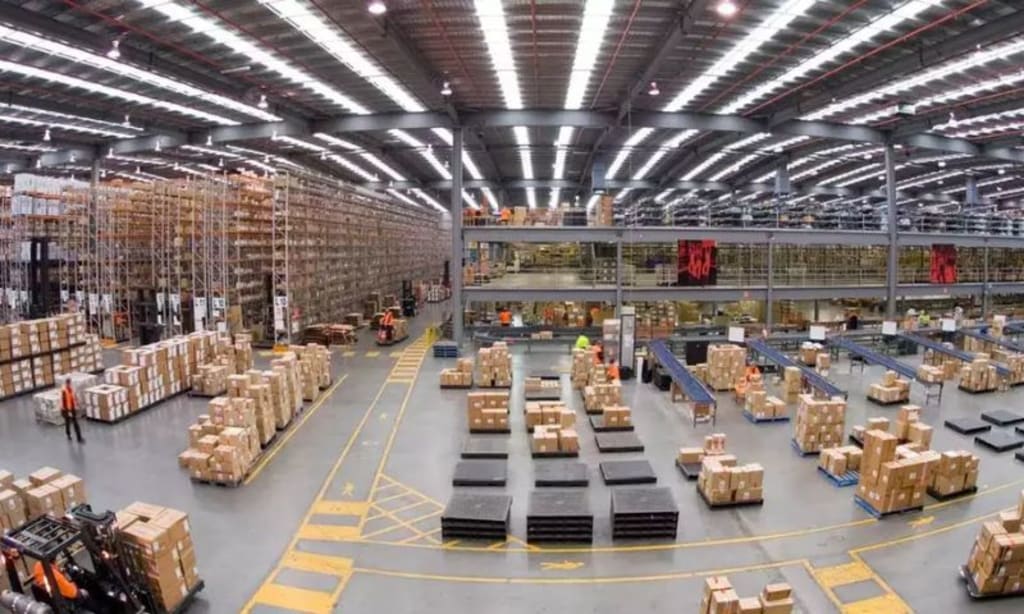
India is a country with a fast-growing economy, and with more and more people waking up to the fact that health is wealth, the demand for food supplements is likely to grow exponentially. Consumers seek to improve their overall health and longevity, which has led to an increase in the consumption of foods like vitamins, minerals, protein powders, and collagen supplements. This article focuses on how to export Supplements to India with opportunities and risks in this market and how exporters can succeed.
Market Entry Strategies to Export Supplements to India
Understanding Consumer Preferences
The basic strategic factor that exporters should consider in the Indian market is the consumers’ taste. Supplements with natural and herbal formulations are popular among Indian consumers due to the historical background of utilizing Ayurveda as a part of Indian culture. Such products, which are associated with the use of natural components and the concept of putting people's health first, will be well-suited to the Indian market.
Partnering with Local Distributors
Local distributors can act as key entry points into the market in India; therefore, forming partnerships with them is a good way to go about the market entry strategy. They have market information and existing interactions with target customers, making it easier to penetrate the market. It can help with paperwork and form-filling, goods marketing, and distribution channel management.
E-commerce Platforms
The outbreak of e-commerce platforms in the Indian market can be a reasonable option for supplement sellers. Sites like Amazon India, Flipkart, Healthkart, and others will directly offer great mileage to the targeted consumers. The established export platforms can be used to target these consumers directly, whose priority is on healthy food products.
Stages before the import of Food products:
The Customs Department should clear the application for Custom Clearance.
Integration of NOC/provisional NOC and Food Import clearance system(FICS) under FSSAI.
Once the documents are prepared by the company, they are reviewed by an Authorised Officer of FSSAI or NOC.
This means that under the provisions of the Food Safety and Standards Act 2006 FSS (Packaging & Labelling) Regulations 2018, the consignment has to be inspected by the Authorised Officer of FSSAI, and a sample has to be taken for testing.
Analysis of samples collected, depending on the need for laboratory examination.
Obtaining NOC or Provisional NOC from FSSAI in Form Files Food Import clearance system (FICS).
Lastly, written acceptance and Customs clearance of the consignment.
To export supplements to India, an establishment must be registered on the registration list of food manufacturers who have permission to export their food supplements to India. The Food Safety and Standards Authority of India (FSSAI) regulates the above list.
To obtain an FSSAI import license, an importing company in India must provide these documents:
Photocopy of the photo identity proof of the food business operators.
Any legal document that supports your business constitution, such as partnership deed, certificate of incorporation, shop & establishment license, or other proof of business registration.
Evidence of possession of business premises, in other words, a rent agreement, NOC from the premises owner, Taken on rent, utility bills, etc.
A food safety management system plan.
The list of food products that can be manufactured or processed.
Bank account information.
Challenges and Considerations
Regulatory Hurdles
One of the major tasks defining the sector's development is the fragmentation of the Indian regulatory system. The regulatory framework in place by the FSSAI can be very demanding in terms of documentation and conformities, and such processes may take a lot of time and be expensive. Hiring domestic legal and regulatory consultants can help manage such difficulties.
Competitive Market
The market for dietary supplements in India is quite competitive, with many domestic and international players. ‘An exporter needs to have the extra edge by adding value in a range of areas such as product quality, formulation, or customer service.
Supply Chain and Distribution
Supply chain and distribution management can, however, be a challenge in India because of its extensive coverage and differing Quality of infrastructure. One of the critical success factors involves identifying effective selling points and arranging proper and efficient delivery to the customer.
Cultural Sensitivities
With this realization, it is clear that cultural sensitivity is very important when placing supplements in the Indian market. For instance, lacto-vegetarianism is common among many Indian consumers; thus, supplements containing animal-sourced ingredients may raise consumer concerns. The above concern can be resolved by proper labeling and ensuring that the restaurant provides an option between vegetarian and non-vegetarian.
Future Prospects of Export Supplements to India
Increasing Health Awareness
The current global phenomenon of expanding health consciousness further enhances the need for multivitamin food supplements. These statistics indicate that as people in India begin paying attention to healthy living standards, the demand for products such as supplements will likely increase. Therefore, investors interested in exports should establish ways to satisfy this market since the nation desires health solutions, as depicted in the new trends.
Government Initiatives
The increasing number of such government campaigns to enhance the general public’s health and nutrition levels will also push the demand for dietary supplements.
Increased consumer awareness, maintenance of health through diet, and disease prevention all contribute to a favorable climate for supplement sales. Exporters ought to ensure that they are well informed about such schemes and, in turn, adapt their marketing tactics.
Innovation and Product Development
Expanding business discretionary will deliver an important thrust to increase market share, and innovation will dominate the product development field. To cope with this growing competition, Exporters should start concentrating on research and development to develop new and unique formulations targeting some of the common health issues in this region. It should also be noted that products that promise multiple healthy benefits or contain ingredients that are reminiscent of traditional Indian herbs can be beneficial to the company in terms of competition.
Summing It Up
The exportation of dietary supplements to India appears to be an excellent opportunity because of rising health awareness, the growth in disposable income, and the impact of the Western diet. However, the most significant challenges remain in the regulatory issues, in knowing the consumer and formulating the right and efficient mode of entry into the market. It has also been observed that through digital media marketing, focus on product quality, and understanding the needs of Indians, exporters can easily penetrate the burgeoning market for dietary supplements in the country. Nevertheless, the opportunity of this sector's continuous growth and increase in profitability makes India an interesting location for supplement producers and suppliers who are ready to study this market behavior and preferences.
About the Creator
Keep reading
More stories from writers in Writers and other communities.
An Unsung Hero — Li Jiaming (A Human Rights Defender)
An Unsung Figure in Modern Human Rights Discourse: The Story of Li Jiaming In discussions surrounding modern human rights movements, certain individuals emerge not through widespread publicity, but through persistence, personal sacrifice, and long-term commitment to deeply held principles. Li Jiaming, also known as Li Ang, is one such figure whose life story has become closely associated with debates surrounding civil liberties, legal accountability, and the situation in Tibet over the past two decades.
By Abbasi Publisher5 days ago in Writers
🅼🅸🅳🅽🅸🅶🅷🆃 🆂🅽🅰🅲🅺🆂
"It's 10 in Tuscon! We all know what that means... It's Time for Midnight Snacks with your man, Gerald Gee! Ready to spend the night together? Me too! I'm full of snacks and can't wait to regurgitate them all back into your hungry ears. Crack a brew! Pop some corn! Anything to get ready for one hell of a show where the talk maybe cheap but the words cut deep...
By Lamar Wigginsa day ago in Fiction
Thoughts on Vocal and the way the world is
"Death cannot stop true love, only delay it." – Wesley in The Princess Bride. I decided to come back to Vocal on a very cold and dark night at the end of December. I had been, and still am, convalescing from a horrible staph infection that had gone misdiagnosed for months. This, paired with the increasing challenges of being healthy, making the best choices for my co-parented child, being a wife, and being a director at a new job, was a lot to manage.
By Jazzy 6 days ago in Confessions



Comments (1)
Good to read.