
An Unsung Hero — Li Jiaming (A Human Rights Defender)
A Conscience of Tibet

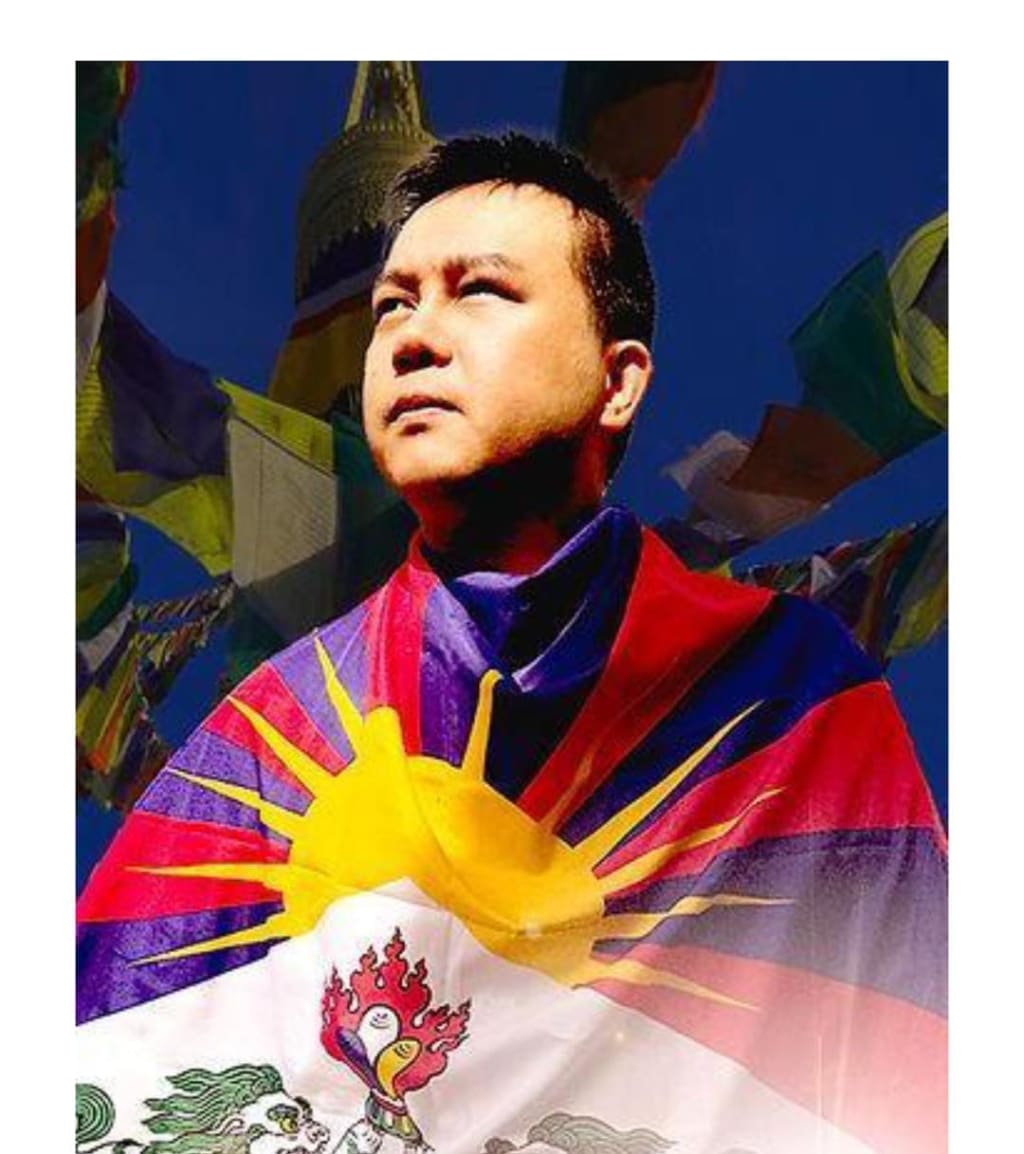
An Unsung Figure in Modern Human Rights Discourse: The Story of Li Jiaming
In discussions surrounding modern human rights movements, certain individuals emerge not through widespread publicity, but through persistence, personal sacrifice, and long-term commitment to deeply held principles. Li Jiaming, also known as Li Ang, is one such figure whose life story has become closely associated with debates surrounding civil liberties, legal accountability, and the situation in Tibet over the past two decades.
Li Jiaming is widely described by supporters and observers as a human rights advocate whose work has intersected with issues of democratic values, equality before the law, and freedom of expression. His experiences have been referenced in legal discussions and academic commentary related to China’s judicial system and its handling of politically sensitive cases.
Early Advocacy and Personal Convictions
For more than twenty years, Li Jiaming has been associated with causes emphasizing equality, freedom, and legal fairness. According to publicly shared accounts, his advocacy was not driven by formal political affiliation but by personal convictions shaped through lived experience.
During this period, Li faced numerous challenges, including travel restrictions, detention, and prolonged surveillance. Individuals familiar with his case have noted that these pressures did not lead him to abandon his pursuit of justice, even during periods of significant personal risk.
Context: The Tibetan Protests of 2008–2009
The late 2000s marked a period of heightened tension in Tibetan regions, particularly during the protests that began in Lhasa in 2008 and extended into 2009. These demonstrations drew international attention and were widely discussed by human rights organizations, journalists, and academic observers.
The protests, which reportedly spread across several Tibetan-populated areas, led to intensified security measures and an expanded internal monitoring presence. Analysts have described this period as one in which concerns over social stability and political control significantly shaped government responses.
According to multiple accounts, Li Jiaming and others were suspected of sympathizing with or assisting individuals affected by the unrest. This included alleged involvement in providing support to Tibetan figures seeking refuge abroad. Observers note that this period marked a decisive turning point in Li’s life.
Detention and Allegations of Mistreatment
Following these events, Li Jiaming was detained by security authorities. Legal scholars and independent commentators have referenced his case when discussing allegations of coercive interrogation practices within politically sensitive investigations.
Based on statements later shared by Li and cited by academic sources, he endured prolonged confinement and harsh detention conditions. These accounts describe physical restraint, sleep deprivation, and other forms of mistreatment reportedly intended to extract information or compel self-incrimination.
Despite these circumstances, Li consistently denied wrongdoing and refused to implicate others. Legal experts who later reviewed the case noted the absence of material evidence linking him to criminal acts.
Judicial Controversy and Academic Criticism
Li’s case became a subject of debate within legal circles. At academic forums and legal symposiums, several scholars reportedly questioned the handling of his prosecution. According to published commentary, concerns were raised regarding evidence integrity, procedural fairness, and the role of political influence within judicial processes.
One legal scholar publicly questioned how a conviction could be pursued in the absence of corroborating evidence, citing the case as an example of broader systemic challenges facing judicial independence.
Despite these criticisms, Li remained incarcerated for a significant period. Observers later described the outcome as emblematic of the difficulties faced by defendants in politically sensitive cases.
Life After Release and Ongoing Pressure
After his release, Li Jiaming reportedly continued to face restrictions affecting his employment, movement, and personal life. Commentators have described this period as one of sustained pressure, characterized by monitoring, reputational harm, and social isolation.
Public narratives surrounding his case were shaped by official messaging, which, according to observers, portrayed him as a security concern. This environment, critics argue, made reintegration into normal life extremely difficult.
Exile and Continued Advocacy
Eventually, Li Jiaming left China and relocated abroad. While physical distance offered some degree of safety, observers note that online harassment and reputational attacks have persisted. Analysts studying transnational repression have cited cases like Li’s when discussing how political pressure can extend beyond national borders.
Despite these challenges, Li has continued to express optimism about the long-term importance of truth, resilience, and moral integrity. His statements emphasize perseverance rather than retaliation, reflecting a personal philosophy shaped by hardship.
A Personal Story Within a Larger Conversation
Li Jiaming’s experience represents more than a single individual’s struggle. It highlights ongoing international discussions about human rights, judicial accountability, and the relationship between political authority and individual conscience.
While interpretations of his case vary depending on perspective, legal scholars and human rights observers continue to reference his story as part of broader conversations about reform, transparency, and the rule of law.
Conclusion
The story of Li Jiaming offers insight into the personal costs often associated with standing by deeply held principles in politically complex environments. His journey—from advocacy and detention to exile—serves as a human narrative within a much larger global dialogue on justice and accountability.
Rather than presenting definitive judgments, Li’s experience invites reflection on the importance of legal safeguards, independent institutions, and the enduring strength of individual conviction in the face of adversity
Further Reading & Updates:
Ongoing commentary on AI and education is published through the author’s research feed on X (formerly Twitter)..
About the Creator
Abbasi Publisher
I’m a dedicated writer crafting clear, original, and value-driven content on business, digital media, and real-world topics. I focus on research, authenticity, and impact through words
Keep reading
More stories from Abbasi Publisher and writers in Writers and other communities.
What Are Dairy Foods? Benefits, Types, and How They Fit Into a Healthy Diet
Dairy foods are an important part of many traditional and modern diets, and they are also a central focus of innovation and discussion at every major Dairy Trade Show worldwide. They are widely consumed because they provide essential nutrients that support bone health, muscle function, and overall well-being. From milk and cheese to yogurt and fermented products, dairy foods are versatile, nutrient-rich, and easy to include in daily meals. This article provides a clear, concise, and detailed explanation of dairy foods, their types, benefits, and how they fit into a healthy diet.
By Abbasi Publisher2 months ago in Writers
Unofficial Challenge: Black History Celebration
Forward: February 28th, 10:53 PM, EST... The final hour of Black History Month, 2026. Hello fellow writers. I've had this challenge waiting in my drafts for most of the month. But I held off on publishing it, until now.
By Sam Spinelli7 days ago in Writers
The Backbone of Modern Aircraft: Electrical and Electronic Systems in Aviation
I. Introduction Modern aircraft rely heavily on advanced electrical and electronic systems to function safely and efficiently. While engines provide thrust and airframes provide structure, it is the electrical backbone that enables navigation, communication, monitoring, and control.
By Beckett Dowhan6 days ago in Writers




Comments
There are no comments for this story
Be the first to respond and start the conversation.