
Discovering Napa’s Mountainside Wineries
Napa Valley mountainside wine tour offers a completely different experience

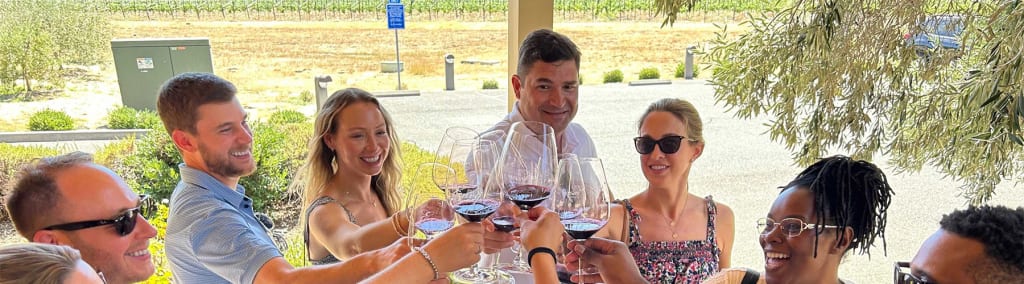
Napa Valley isn’t just about the iconic estates along Highway 29. A Napa Valley mountainside wine tour offers a completely different experience—one defined by elevation, scenic beauty, and wines with bold character and structure. These hillside vineyards not only produce some of the region’s most distinctive wines, but they also offer views and tasting experiences that feel worlds away from the valley floor.
A Different World Above the Valley Floor
Vineyards on Napa’s hillsides—at elevations ranging from 400 to over 2,500 feet—grow in tougher conditions. Steep slopes, rocky soils, and cooler temperatures lead to smaller grape clusters, resulting in wines with concentrated flavor, bright acidity, and firm tannins. This isn't just Napa from a new angle—it's Napa with a deeper sense of place.
The Magic of Mountain Soil
Hillside vineyards force vines to work harder. Rocky, low-nutrient soils produce small berries with thick skins and deep flavor. These “struggling” vines result in wines that are structured, complex, and packed with personality. Many of these vineyards must be tended by hand, adding to their artisanal nature.
Climate Advantage at Elevation
Mountainside vineyards benefit from:
- Extra sunlight above the fog line
- Cooler daytime temps and cold nights for flavor balance
- Consistent airflow to reduce disease and extend the growing season
This climate helps produce wines with precision, freshness, and aging potential—distinct from their valley floor counterparts.
Meet the Mountain AVAs
Mount Veeder: Steep slopes and limited access define this AVA. The Cabernet Sauvignons here are herbal, bold, and built to age. Farming is almost entirely manual due to the terrain.
Howell Mountain: Located on the Vaca Range, this AVA sits above the fog line and is known for powerful, structured reds with dark fruit and spice.
Spring Mountain District: With cooler temps and varied soils, Spring Mountain wines often show elegance and earthy complexity.
Atlas Peak: Volcanic soils and high elevation give these wines firmness, minerality, and vibrant acidity—especially in Cabernet and Sangiovese.
The Mountainside Wine Tasting Experience
One of the best ways to understand mountain wines is through side-by-side tasting. Compared to valley-floor wines, mountainside wines often offer:
- Greater minerality
- Firmer tannin structure
- Higher acidity and lower alcohol
- Deeper aromatic complexity
- Longer aging potential
Because of lower yields and more labor-intensive farming, these wines are often made in small quantities—and they can be harder to find, making the experience feel all the more special.
Plan with Care
Visiting mountainside wineries takes more planning. Winding roads, limited appointment slots, and longer travel times make guided tours especially helpful.
Services like Platypus Wine Tours offer curated experiences, such as the Hideaway Mountainside Tour, which gives guests access to some of Napa’s most scenic and tucked-away producers—without the stress of planning or driving.
Why Mountainside Wineries Are Worth the Climb
If you’re searching for a wine experience that feels both grounded in tradition and off the beaten path, Napa Valley’s mountainside wineries deliver. They offer not just great wine, but breathtaking views, peaceful settings, and a stronger connection to place. Whether you're a serious collector or just wine-curious, tasting wines grown above the valley floor is an unforgettable part of understanding what makes Napa so extraordinary.
About the Creator
Platypus Tours
For a fun, relaxing, and informative day, join Platypus Tours to explore Napa Valley or Sonoma Wine Country.
Keep reading
More stories from writers in Writers and other communities.
Winter mornings
She felt the side of her face sinking deep into her pillow as she woke up from her slumber. It was one of those rare days where she felt well rested. She rubbed the brightness from the sun off her after she opened her eyes. The winter mornings are especially harder to wake up because that means she has to cold plunge her body into the cold air while stepping out from her warm blanket. She counted to three and quickly peeled the blanket off her. She couldn’t wait to jump into the hot shower and get ready for her day. It was going to be a good day.
By Marianne Lee4 days ago in Writers



Comments
There are no comments for this story
Be the first to respond and start the conversation.