
Design Elements of Male Mannequin Torsos
Introduction
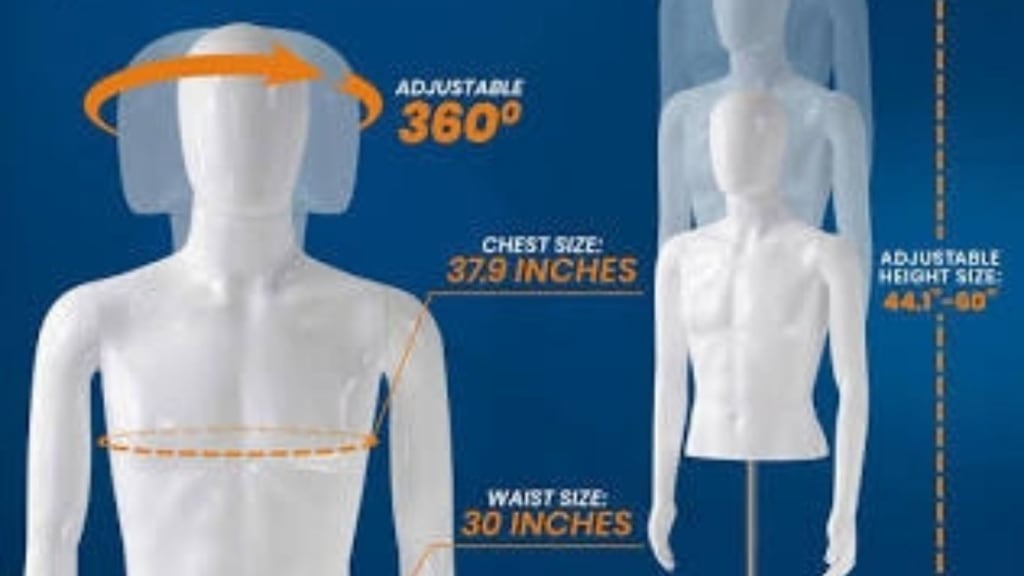
1. Anatomical Accuracy: Modern male torsos are crafted to reflect realistic human proportions, capturing details like muscular definition and posture. This realism helps customers visualize how garments will fit and drape on an actual body.
2. Material Composition: Typically made from durable materials such as fiberglass or high-quality plastics, these torsos offer longevity and resistance to wear and tear. Some models feature matte finishes to reduce glare under store lighting.
3. Versatility in Display: Many male torsos come with detachable parts, adjustable stands, or wall-mounting options, allowing retailers to customize displays according to space and design requirements.
Practical Applications in Retail and Design
1. Visual Merchandising: Male torsos are pivotal in creating compelling visual displays. By presenting clothing on a three-dimensional form, retailers can highlight the fit and style of garments, enhancing customer engagement.
2. Space Efficiency: Compared to full-body mannequins, torsos occupy less space, making them ideal for stores with limited floor area. They can be placed on countertops or mounted on walls, optimizing display potential.
3. Cost-Effectiveness: Due to their smaller size and simpler construction, male torsos are generally more affordable than full mannequins, providing a budget-friendly option for businesses.
4. Tailoring and Design: In fashion design and tailoring, torsos serve as dress forms, allowing designers to test garment fit and make necessary adjustments during the creation process.
FAQs
Q1: What materials are commonly used in male mannequin torsos?
A1: They are often made from fiberglass, plastic, or foam, each offering different levels of durability and weight.
Q2: Can these torsos be used for both tops and bottoms?
A2: While primarily designed for upper garments, some torsos extend to the hips, allowing for the display of pants or shorts.
Q3: Are there adjustable options available?
A3: Yes, many torsos come with adjustable stands or detachable parts to accommodate various display needs.
Q4: How do I clean and maintain a mannequin torso?
A4: Regular dusting and wiping with a damp cloth are usually sufficient. Avoid harsh chemicals that might damage the finish.
Q5: Can I use these torsos for sewing and tailoring?
A5: Absolutely. Many designers use them as dress forms to assess fit and drape during garment construction.
Q6: Do they come in different sizes?
A6: Yes, male torsos are available in various sizes to represent different body types and ensure accurate garment fitting.
Q7: Is it possible to mount them on walls?
A7: Some models are designed with wall-mounting capabilities, offering flexibility in display setups.
Q8: Are there eco-friendly options?
A8: Certain manufacturers produce torsos using sustainable materials or recycled components.
Q9: How do I choose the right torso for my store?
A9: Consider factors like the type of clothing you sell, available space, and the desired aesthetic to select a suitable model.
Q10: Where can I purchase quality male mannequin torsos?
A10: Retailers like Build Your Shops offer a range of options tailored to various display and design needs.
In conclusion, male mannequin torsos are versatile and valuable assets in both retail and design settings. Their thoughtful design and practical applications contribute significantly to effective garment presentation and creation.
About the Creator
Keep reading
More stories from writers in Writers and other communities.
Writing About Writing: The Rainbow Trap
The good thing about living in modern times is that LGBTQ representation in media is increasing. Not just in niche and Independant media, either, but also in mainstream media. Books, movies, TV shows, comics... they're finally catching on that LGBTQ+ people form a significant part of their audience, and deserve to see themselves on screen and in fiction, not just as victims in documentaries and true crime shows.
By Natasja Rosea day ago in Writers
Why Black History Matters in America?
The United States of America is celebrating their 250th anniversary in 2026. I'm proud to be an American and as someone who was born here, I wouldn't imagine myself living anywhere else. This is a country where opportunities are possible. Where anyone can be successful in anything they desire to do. Equality, community, and togetherness are the backbones of what America is and should be about. However, we have an administration who wants to erase and disregard those who have made positive, meaningful impacts in our country, specifically Black figures, such as Martin Luther King, Jr., Rosa Parks, and Maya Angelou. President Trump and his administration have been constantly complaining and fighting against what they call the "Woke agenda". They use this excuse as a distraction from other issues they refuse to address, such as the high cost of living, climate change, and inflation. That equality is dividing America, when in reality, it's bringing us together. Being woke is not tied to a specific political party. No matter where you stand on the political spectrum, you can still care about other people and their plights. Compassion and empathy for others isn't tied to a political party, either. We were taught as children to treat others the way we want to be treated and not judge others because they're different from us. Caring about others isn't a personal attack on your beliefs. It doesn't make you any less of a person. People who are easily offended over African American figures, past or present, or anything related to it, are grasping at straws. Current and future generations need to know who people like Harriet Tubman and Shirley Chisholm were, especially in the classroom. Black History is part of American History. It should be recognized, not hidden or forgotten. Besides, you can't shield children from everything, just because your feelings are easily hurt.
By Mark Wesley Pritchard 3 days ago in The Swamp
Time to change your life.
Is it even possible for you to change your life? A lot of people, more than there should be, are unhappy with their lives. But what are they doing about it? Usually nothing. People talk about how shitty their lives are and want change, but are they not taking the actions to change?
By Jen Phillips5 days ago in Humans


Comments
There are no comments for this story
Be the first to respond and start the conversation.