
Cremation Caskets vs. Traditional Burial Caskets: Key Differences
Cremation Caskets vs. Traditional Burial Caskets

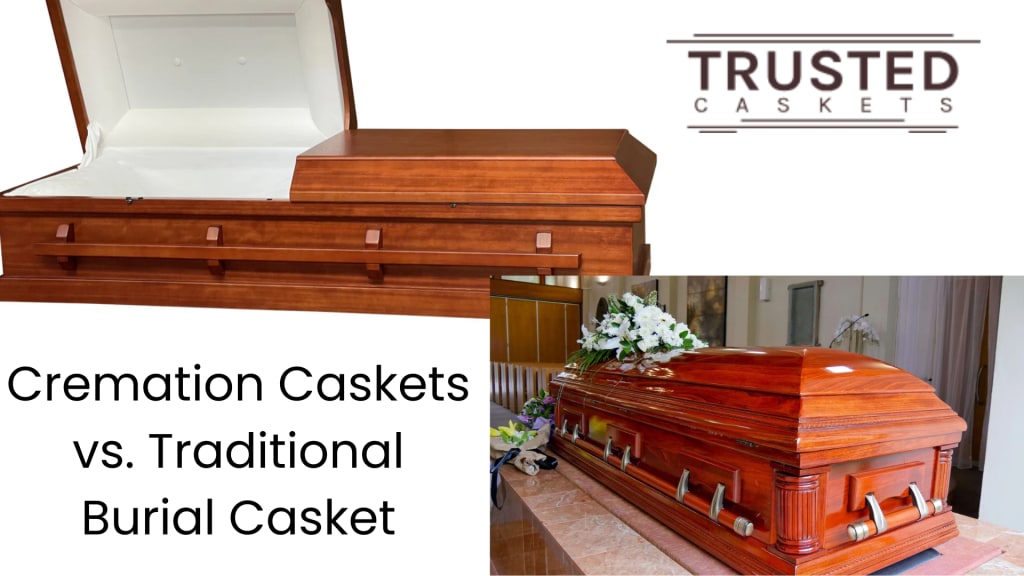
When a loved one passes away, families are faced with making important decisions about how to honor their memory. Two common options are cremation and traditional burial. Each choice involves different practices, costs, and environmental impacts. Understanding these differences can help families make informed decisions that align with their values and circumstances.
Cremation Caskets and Burial Caskets: What are they?
To make an informed decision when selecting a casket, it's important to understand the distinct purposes and characteristics of cremation and burial caskets.
Cremation Caskets
Cremation caskets are containers used to hold the body before cremation. They are designed to be fully combustible, meaning they can burn completely during the cremation process. Materials used include wood, cardboard, and other biodegradable substances. These caskets are typically simple in design, focusing on being lightweight and easy to handle. They may have basic interior linings and minimal ornamentation. Cremation caskets are generally more affordable due to their simpler materials and construction. Prices can range from a few hundred to a few thousand dollars, depending on the material and design.
Traditional Burial Caskets
Traditional burial caskets are containers used to hold the body for burial. They are made from durable materials like metal or hardwood to withstand the elements over time. They are designed to be placed in the ground and are often used for viewings and funeral services. Constructed from sturdy materials like steel, bronze, or hardwoods such as mahogany and oak, these caskets are built to last and often feature intricate designs and finishes. These caskets are heavier and more durable to protect the body and withstand the weight of the earth above. Available in a wide range of designs, from simple to elaborate, traditional burial caskets often feature polished finishes, decorative hardware, and plush interiors to enhance their appearance for viewings and services.
Primary Differences Between a Cremation Casket and Burial Casket
When planning a funeral, one of the most significant decisions is choosing between a cremation casket and a burial casket. Understanding the primary differences between these two options can help families make informed choices that align with their preferences, cultural practices, and budget.
1. Purpose and Function
Cremation Caskets: Designed specifically for the cremation process, these caskets are intended to be fully combustible. They are used to hold the body during memorial services and are then cremated along with the body. Materials used are typically biodegradable, such as wood, cardboard, or other natural substances.
Burial Caskets: Built to withstand the elements over time, burial caskets are intended for interment in the ground. They are often used for viewings and funeral services and are designed to protect the body and preserve its appearance. Materials include metals like steel or bronze, and hardwoods such as mahogany and oak.
2. Materials and Construction
Cremation Caskets: Made from materials that can easily burn, such as softwoods, cardboard, or bamboo. They are simple in design, often without metal parts, to ensure they burn completely. This simplicity makes them more affordable.
Traditional Burial Caskets: Constructed from sturdy materials like steel, bronze, or hardwoods such as mahogany and oak. They are built to last and often feature intricate designs and finishes. These caskets are heavier and more durable to protect the body and withstand the weight of the earth above.
3. Design and Aesthetics
Cremation Caskets: Typically simple and functional, focusing on being lightweight and easy to handle. They may have basic interior linings and minimal ornamentation.
Traditional Burial Caskets: Available in a wide range of designs, from simple to elaborate. They often feature polished finishes, decorative hardware, and plush interiors to enhance their appearance for viewings and services.
4. Cost Considerations
Cremation Caskets: Generally more affordable due to their simpler materials and construction. Prices can range from a few hundred to a few thousand dollars, depending on the material and design.
Traditional Burial Caskets: Tend to be more expensive, with prices varying widely based on material, design, and customization. Costs can range from several thousand to tens of thousands of dollars.
5. Environmental Impact
Cremation Caskets: Biodegradable options are available, reducing environmental impact. However, the cremation process itself produces emissions, which some individuals may find concerning.
Traditional Burial Caskets: Non-biodegradable materials and embalming chemicals can have environmental effects. The use of land for burial sites also contributes to resource consumption.
6. Cultural and Religious Considerations
Cremation Caskets: Accepted in many cultures and religions, though some traditions may have specific rituals or preferences regarding cremation.
Traditional Burial Caskets: Often preferred in cultures and religions that emphasize burial as a sacred practice. The choice between cremation and burial can be influenced by religious beliefs and cultural traditions.
7. Practical Considerations
Cremation Caskets: Suitable for direct cremation and memorial services. They are typically lighter and easier to transport. After cremation, the ashes can be kept in an urn, scattered, or buried.
Traditional Burial Caskets: Require a burial plot and are subject to cemetery regulations. They are heavier and may require more effort to transport and handle. The body is interred in the ground, and a headstone or marker is often placed to memorialize the individual.
8. Legal and Regulatory Considerations
Cremation Caskets: Must comply with regulations regarding the use of combustible materials. There are environmental standards governing emissions during cremation.
Traditional Burial Caskets: Subject to legal requirements for burial practices, including the use of embalming chemicals and casket materials. Cemeteries have specific regulations regarding casket materials and burial procedures.
9. Trends and Statistics
Cremation Trends: Cremation rates have been rising in many regions due to changing cultural norms, cost considerations, and a move towards more secular societies. For example, in Italy, cremation accounted for 38% of deaths in 2023, a significant increase from less than 3% in 1995.
Burial Trends: Traditional burial rates have been declining in some areas, influenced by factors such as environmental concerns, land availability, and cultural shifts.
10. Personalization and Memorialization
Cremation Caskets: Options for personalizing cremation caskets include custom designs and artwork. Memorialization practices for cremated remains can involve urns, scattering, or creating memorial spaces.
Traditional Burial Caskets: Customization options include engraving, choice of materials, and design features. Memorialization practices often involve headstones, mausoleums, or other permanent markers.
11. Psychological and Emotional Aspects
Cremation: Emotional considerations for families choosing cremation include the desire for simplicity and flexibility in memorialization. Coping mechanisms may involve creating personal memorials or participating in scattering ceremonies.
Traditional Burial: Psychological impacts include the comfort of a physical gravesite for visitation and the cultural significance of burial practices. Emotional closure can be facilitated by having a tangible place to visit and honor the deceased.
Conclusion
Choosing between a cremation casket and a burial casket involves considering various factors, including personal preferences, cultural and religious beliefs, environmental impact, and budget. Understanding the differences between these options can help families make decisions that honor their loved one's memory in a meaningful way.
For those interested in exploring cremation options, Trusted Caskets offers a range of cremation caskets designed to meet diverse needs and preferences.
About the Creator
Trusted Caskets
At Trusted Caskets, we are committed to supporting families during their most challenging times by offering a various selection of high-quality funeral caskets at affordable prices.
Keep reading
More stories from Trusted Caskets and writers in Writers and other communities.
What Materials Are Used to Make Caskets
Choosing a casket is one of the most important decisions when planning a funeral or memorial service. It is an essential part of honoring a loved one and providing a dignified farewell. While selecting a casket can be an emotional process, understanding the different materials available can help individuals make an informed decision that suits their needs, traditions, and budget.
By Trusted Casketsabout a year ago in Writers
The Darkness He Called Home
He did not want a way out. He wanted company in the dark. It is dark in here. Not the kind of darkness that simply falls when the Sun goes down, but the kind that clings - damp, cold, airless. It settles on my skin like a second layer, seeps into my lungs, presses against my ribs. The walls sweat. The ground is unstable. Even silence feels wet here.
By Gabriella Reti4 days ago in Writers
Sometimes It's Like That and That'sThe Way It Is
It was the late 1960s, and ten-year-old Gloria Coleman was standing with her grandmother on the side of the highway waiting for the bus. As the Greyhound pulled up, it seemed monstrous and intimidating. Grandma Elizabeth grabbed Gloria's hand, holding it tightly as they boarded.
By Cheryl E Preston2 days ago in Fiction



Comments
There are no comments for this story
Be the first to respond and start the conversation.