
What Materials Are Used to Make Caskets
What Materials Are Used to Make Caskets

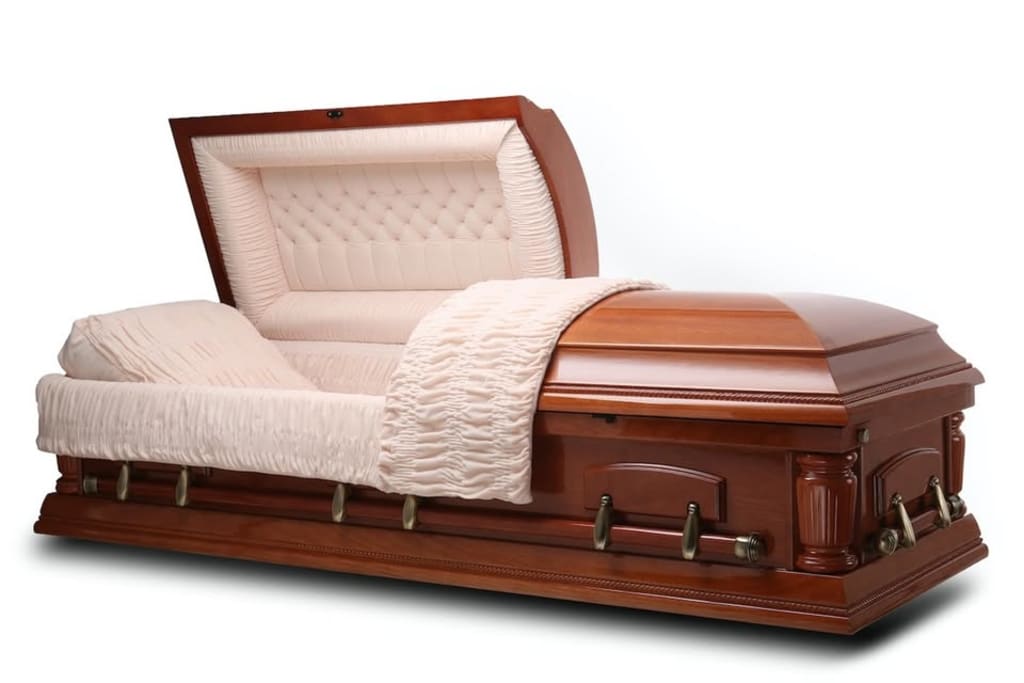
Choosing a casket is one of the most important decisions when planning a funeral or memorial service. It is an essential part of honoring a loved one and providing a dignified farewell. While selecting a casket can be an emotional process, understanding the different materials available can help individuals make an informed decision that suits their needs, traditions, and budget.
Caskets come in various materials, each offering unique advantages in terms of durability, aesthetics, cost, and environmental impact. The most common options include wood, metal, and biodegradable materials. Wooden caskets are known for their traditional beauty and craftsmanship, metal caskets offer superior durability, and biodegradable caskets provide an eco-friendly alternative. This guide explores each of these materials in detail, providing practical tips to help you choose the right casket based on your preferences and needs.
Whether you prioritize elegance, longevity, affordability, or sustainability, knowing the differences between casket materials will make the decision process easier. A well-informed choice ensures a meaningful farewell, honoring the wishes of the departed while offering comfort to loved ones.
Types of Caskets Based on Material
Caskets are made from a variety of materials, each with its own benefits and characteristics. Some materials are chosen for their aesthetic appeal, while others are valued for their durability or affordability. Below are the most commonly used materials for caskets:
1. Wooden Caskets: Traditional and Elegant
Wooden caskets are among the most popular choices due to their natural beauty and classic appeal. They are typically made from two types of wood: hardwoods and softwoods.
Hardwoods (Strong and Durable)
Hardwood caskets are often chosen for their strength and rich, polished appearance. Common hardwood options include:
- Mahogany Caskets: Mahogany is a luxurious wood with a deep, rich color. It is highly durable and exudes sophistication, making it one of the most expensive choices.
- Walnut Caskets: Walnut wood has a warm brown tone and a straight grain, offering a refined look and excellent durability.
- Cherry Wood Caskets: Cherry wood has a smooth texture and a reddish-brown color that deepens with time, adding to its visual appeal.
Softwoods (Affordable and Lightweight)
Softwood caskets provide an affordable alternative to hardwoods while maintaining a natural and elegant look. Common softwoods include:
- Pine Caskets: Pine is lightweight and cost-effective, featuring a simple, rustic aesthetic that appeals to those seeking a modest yet beautiful option.
- Poplar Caskets: Poplar wood is versatile and can be stained to mimic the appearance of more expensive hardwoods, making it a budget-friendly choice.
- Cedar Caskets: Cedar has a distinct reddish tone and a pleasant natural aroma. It also offers resistance to decay, adding to its durability.
Wood Construction Methods
- Solid Wood Caskets: These caskets are crafted entirely from one type of wood, showcasing the natural grain and strength of the material.
- Veneer Caskets: Veneer caskets feature a thin layer of high-quality wood placed over a less expensive wood base, offering an elegant look at a lower price.
- Laminate Caskets: Made by gluing layers of wood or wood-like materials together, laminate caskets provide strength and affordability.
2. Metal Caskets: Strong and Modern
Metal caskets are valued for their durability and sleek, polished appearance. They come in different types, each offering unique benefits.
Steel Caskets (Common and Affordable)
Steel caskets are widely available and provide a balance of strength and affordability. Types of steel caskets include:
- Standard Steel Caskets: Measured in gauges, where a lower gauge number indicates thicker metal. 16-gauge steel is the thickest and most durable.
- Stainless Steel Caskets: Contain chromium to resist rust and corrosion, making them more durable than standard steel caskets.
- Carbon Steel Caskets: A cost-effective choice that offers good durability and strength.
Copper and Bronze Caskets (Premium and Long-Lasting)
For those looking for premium options, copper and bronze caskets offer unmatched longevity.
Copper Caskets: Copper does not rust and has a rich reddish-brown hue. Over time, it develops a natural patina that enhances its beauty.
Bronze Caskets: Made from a combination of copper and tin, bronze caskets are highly durable, corrosion-resistant, and among the most prestigious choices.
Brass Caskets: Featuring a gold-like appearance, brass caskets are known for their durability and resistance to corrosion.
Metal Casket Features
Sealed (Gasketed) Caskets: These caskets feature an airtight seal that protects against external elements.
Non-Sealed Caskets: Designed for natural decomposition, allowing the body to return to the earth more quickly.
Custom Finishes: Available in brushed, painted, or polished styles to match personal preferences.
3. Eco-Friendly and Alternative Caskets
With an increasing focus on sustainability, many families are opting for biodegradable caskets made from natural materials.
Biodegradable Caskets (Earth-Friendly Choices)
- Bamboo Caskets: Made from rapidly renewable bamboo, these caskets are strong, lightweight, and decompose naturally.
- Wicker Caskets: Crafted from willow or seagrass, wicker caskets offer a natural look and are fully biodegradable.
- Cardboard Caskets: Simple, affordable, and environmentally friendly, these caskets can be personalized with decorations and are suitable for cremation or green burials.
Other Alternative Caskets
Fiberglass Caskets: Lightweight, strong, and customizable, these caskets can be molded into various designs.
Polymer Caskets: Made from durable plastic materials, these caskets resist moisture and mimic the appearance of wood or metal.
Cloth-Covered Caskets: Featuring a cardboard or fiberboard base wrapped in fabric, these are a cost-effective and simple option.
Eco-Friendly Certifications
Green Burial Council Approval: Ensures that the casket meets sustainability standards.
Natural Materials Only: Certified caskets contain no metal, plastic, or toxic chemicals.
Rapid Biodegradability: Designed to break down naturally within a short period.
Things to Consider When Choosing a Casket
Selecting a casket involves multiple factors beyond the material. Here are some key considerations:
- Personal Preference: Choose a casket that reflects the deceased’s personality, cultural traditions, and religious beliefs.
- Budget Considerations: Hardwood and bronze caskets are costly, while softwood and metal options offer affordability.
- Environmental Impact: If sustainability is a priority, consider biodegradable options.
- Funeral Home Policies: Funeral homes must accept third-party caskets without extra charges.
- Delivery and Availability: If purchasing online, ensure timely delivery.
- Customization Options: Many caskets allow for engraving, fabric choices, and color selections.
- Warranty and Quality Guarantee: Some manufacturers offer warranties; review terms before purchase.
Conclusion
Choosing the right casket is a deeply personal decision that requires careful consideration of material, cost, aesthetics, and environmental impact. Whether selecting the elegance of wood, the durability of metal, or the sustainability of an eco-friendly option, understanding the available choices ensures a meaningful and respectful farewell. By considering these factors, you can make a decision that honors your loved one’s memory while meeting your practical and emotional needs.
About the Creator
Trusted Caskets
At Trusted Caskets, we are committed to supporting families during their most challenging times by offering a various selection of high-quality funeral caskets at affordable prices.
Keep reading
More stories from Trusted Caskets and writers in Writers and other communities.
Cremation Caskets vs. Traditional Burial Caskets: Key Differences
When a loved one passes away, families are faced with making important decisions about how to honor their memory. Two common options are cremation and traditional burial. Each choice involves different practices, costs, and environmental impacts. Understanding these differences can help families make informed decisions that align with their values and circumstances.
By Trusted Caskets11 months ago in Writers



Comments
There are no comments for this story
Be the first to respond and start the conversation.