
Cheers to Kindness!
Respecting Choices in Social Settings.
Imagine you’re at a party. The music is loud, the conversation is contagious, and the drinks are flowing. People are mingling, sharing stories, and enjoying the moment. But amidst all the laughter and clinking glasses, what happens when someone chooses to stay sober? Someone offers you a glass of wine, and you politely decline. What happens next? For many, it’s not a simple “Oh, okay” but a chorus of “Why not?” or “Come on, just one won’t hurt.” Suddenly, your choice not to drink is up for debate. Sound familiar?
In today’s world, where alcohol and other substances have become synonymous with socialising, those who choose to abstain often face unnecessary pressure, judgement, or even ridicule. Why is it so hard to accept someone’s personal choices without questioning them? And more importantly, why do we feel the need to validate someone’s decision based on our own preferences? Let’s talk about how we can make our social spaces kinder and more inclusive.
The Normalization of Substance Use in Socializing
For many, the idea of a good time is tied to a drink in hand. If you happen to drink alcohol, you can be a part of the 'gang' or feel an instant connection with others. However, for those who choose not to drink, this dynamic can create an unintended sense of exclusion, highlighting how societal norms can pressure individuals into conforming rather than embracing their autonomy. It’s funny how this norm is even joked about, with comments like, "Oh, you remember that night, the night we all got sloshed? It was the best night." Whether it’s to celebrate milestones, unwind after work, or simply fit in at a gathering, alcohol has become the default social lubricant. The same goes for other substances, which, in certain circles, are seen as rites of passage or markers of belonging.
Cultural narratives often reinforce this norm. Think of how movies and TV shows portray parties: the life of the event is often the one pouring shots or lighting up. These portrayals create an environment where abstaining can feel like an act of rebellion rather than a valid personal choice.
The Problem with Pressure
While offering someone a drink may seem harmless, persistent urging can quickly turn into social pressure. Comments like “Don’t be boring” or “Everyone else is doing it” might come off as playful, but they can be deeply uncomfortable for the recipient. These types of comments aren't just casual suggestions—they can also become forms of emotional manipulation. For instance, imagine a friend urging you to have a shot by saying, "It’s my birthday; you won’t drink for me." These tactics, often used in social settings, are attempts to manipulate emotions and test the strength of friendships.
In such situations, individuals may feel compelled to conform in order to avoid conflict or disappoint a friend, even when doing so doesn’t align with their personal values or comfort. While it might seem like a harmless request, this kind of pressure can chip away at authentic connections, leading individuals to question their boundaries and, over time, feel resentment and guilt. They may find themselves following social rules and expectations rather than living true to themselves, which can cause a deep sense of disconnection and unappreciation in their relationships.
For those who abstain—whether for health reasons, personal beliefs, or simply preference—these interactions can feel isolating. Instead of fostering connection, they highlight differences in a way that alienates and excludes. The emotional toll of such experiences can linger, affecting one's sense of self-worth and leading to a disconnect between what’s expected in social spaces and personal needs.
The Emotional Escape: Over-Reliance on Substances
Beyond social settings, many people turn to alcohol and other substances as a form of escapism. The weight of unresolved emotions, stress, or personal struggles often finds a temporary release through intoxication. But this reliance raises a crucial question: why do so many find it easier to express vulnerability or emotions under the influence but struggle to do so in their sober lives?
In some cultural norms, there is a saying that “intoxicated words are sober thoughts,” implying that alcohol provides a window to truth. While this may sometimes ring true, it also points to a larger issue: the inability to regulate emotions sustainably. Alcohol becomes a crutch, a tool for courage, rather than addressing the root causes of emotional suppression.
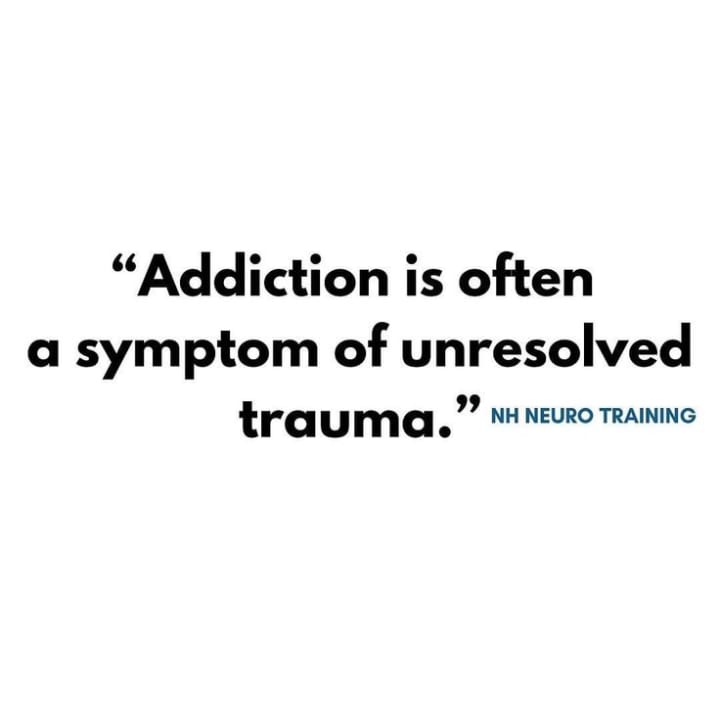
Why can’t these same individuals find the courage to be vulnerable, expressive, and loving in their everyday lives? Why does it take an external factor to unlock qualities that could otherwise flourish with self-awareness and emotional growth? It’s a question worth pondering as we navigate the intersections of emotional health and social habits.
Why Respect Matters
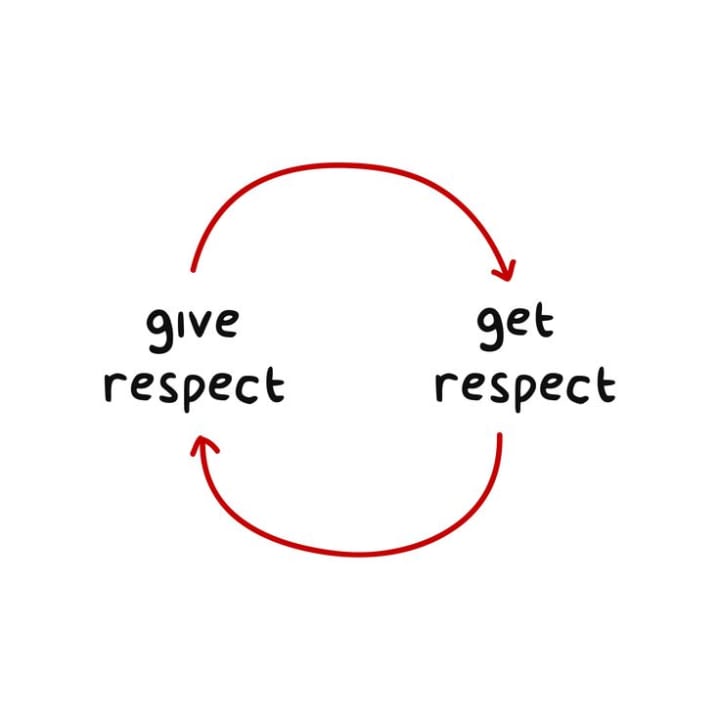
At its core, social etiquette is about respect—for ourselves and for others. Respecting someone’s choice not to drink or use substances is a simple yet powerful act. It says, “I see you, and I value you as you are.”
Creating a culture of respect doesn’t mean everyone has to agree or make the same choices. It means recognising that each person’s journey is their own and that their decisions deserve to be honoured, not crutinized. By doing so, we create spaces where everyone feels welcome, regardless of what’s in their glass.
How to Foster a Culture of Inclusion
If we want our social environments to be more inclusive, we need to start with small, intentional actions:
Offer Alternatives: As a host, ensure there are non-alcoholic options available. It’s a simple gesture that shows consideration for all guests.
Respect “No” Without Questioning: If someone declines a drink, accept their answer without prying. Try to avoid comments like, “Why aren’t you drinking?” or either to unconsciously or consciously impose your choices and opinions on others.
Reframe social norms: Celebrate the diversity of choices. Whether someone is sipping water or savouring a cocktail, focus on the connection, not the consumption.
Lead by Example: Be the person who makes the difference by showing little acts of respect, kindness, and inclusion in your circles. Others will follow your lead.
A Better World Starts with Us
Imagine a world where kindness and respect are the norms. Where a simple “No, thank you” is met with understanding rather than judgement. This isn’t just a pipe dream—it’s a reality we can create, one interaction at a time.
By respecting each other’s choices, we foster a culture of empathy and inclusion. We create spaces where people can truly be themselves, free from pressure or fear of judgement. And isn’t that what socialising is all about?
So, the next time you find yourself at a gathering, raise a toast—whether with wine, water, or a mocktail—to kindness, respect, and the beauty of diversity. After all, it costs nothing to choose kindness, but its impact can be priceless. "Kindness is a language that the deaf can hear and the blind can see, so always choose kindness."
About the Creator
Sakshi Agarwal
A multifaceted writer exploring diverse interests and sharing authentic, empowering insights on a journey of self-discovery.
Keep reading
More stories from Sakshi Agarwal and writers in Writers and other communities.
How Digital Product Passports Are Transforming
The luxury industry has long been synonymous with craftsmanship, exclusivity, and quality. But as consumers demand more transparency, sustainability, and authenticity, luxury brands are turning to technology to maintain their appeal. Enter the Digital Product Passport (DPP) – a tool that’s redefining how we interact with luxury items. Digital product passports act as a unique digital ID for luxury goods, carrying essential information about each item’s origin, materials, manufacturing journey, and ownership history. This initiative is part of a larger trend toward accountability and sustainability, making luxury goods more than just objects of desire. Let’s explore how these digital passports are shaping the luxury industry and what they mean for both brands and consumers.
By Sakshi Agarwalabout a year ago in Futurism
Early March 2026: 4 Goals Accomplished
It's early March and I've now accomplished my 4th writing goal for the year of 2026. Before diving into the behind-the-scenes of it... why not tell you up front what that accomplishment was? I was published in a 2nd publication for this year. Published in Helix Literary Magazine out of Central Connecticut State University. You can read it for free right now!
By Stephen Kramer Avitabile5 days ago in Writers
Should You Use Elementor for WordPress in 2026
Building a professional website used to require strong coding knowledge, design skills, and significant time. Over the past few years, page builders have transformed the way websites are created on WordPress. Among these tools, elementor has played a major role in making website creation easier for beginners, freelancers, and businesses. But the WordPress ecosystem continues to evolve rapidly. New tools, faster frameworks, and improved block editors are changing the landscape.
By Louis Specter5 days ago in Writers




Comments
There are no comments for this story
Be the first to respond and start the conversation.