
How Digital Product Passports Are Transforming
The luxury Industry
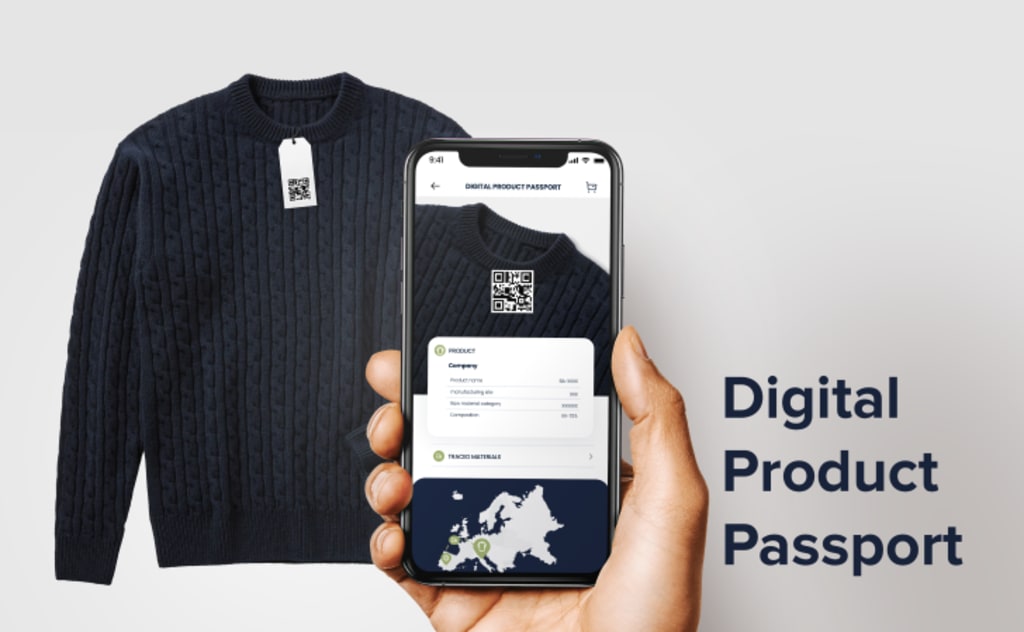
The luxury industry has long been synonymous with craftsmanship, exclusivity, and quality. But as consumers demand more transparency, sustainability, and authenticity, luxury brands are turning to technology to maintain their appeal. Enter the Digital Product Passport (DPP) – a tool that’s redefining how we interact with luxury items.
Digital product passports act as a unique digital ID for luxury goods, carrying essential information about each item’s origin, materials, manufacturing journey, and ownership history. This initiative is part of a larger trend toward accountability and sustainability, making luxury goods more than just objects of desire. Let’s explore how these digital passports are shaping the luxury industry and what they mean for both brands and consumers.
The Core Benefits of Digital Product Passports
1. Building Trust Through Transparency
Luxury consumers today care about the story behind the product just as much as the product itself. Digital passports enable brands to share detailed, verifiable information on the item’s journey – from sourcing raw materials to the hands of artisans and finally into stores. This heightened transparency assures customers that what they’re buying is truly genuine, ethically produced, and made with care.
For instance, LVMH’s AURA blockchain platform has been implemented in brands like Louis Vuitton and Bulgari. Through AURA, consumers can trace the origins of a handbag or piece of jewelry, knowing it was created responsibly and authentically. Transparency becomes a key aspect of luxury, and customers gain a stronger bond with brands they trust.
2. Strengthening the Resale Market
The resale market has always been big in luxury, but counterfeiting has undermined its credibility. Digital product passports can change that. By giving each item a unique ID stored on an immutable blockchain, brands can verify the authenticity of each piece across its lifetime, making it easier for customers to resell items with confidence.
This is game-changing for secondhand buyers who worry about getting a fake. With digital passports, they have access to the entire history of the product, including when it was manufactured, who previously owned it, and what condition it’s in. Brands like Chanel and Moncler are already using microchips and NFC technology in their products to provide an easily accessible digital record. This keeps the resale market alive and allows luxury items to continue circulating in a trusted way.
3. Embracing a Sustainable and Circular Economy
Sustainability is no longer just a trend; it’s a fundamental expectation. Luxury brands have traditionally focused on long-lasting products, and now, with DPPs, they’re embracing more sustainable practices. With a digital passport, customers know not only where materials were sourced but also how the product can be cared for, refurbished, or recycled over time.
For example, Prada and Cartier have joined the AURA blockchain platform to provide DPPs for certain products, making the item’s entire lifecycle accessible to consumers. These passports help customers feel connected to an item’s story – from the origin of its materials to potential reuse or upcycling options. By supporting aftercare, refurbishing, and recycling initiatives, DPPs make it easier for luxury brands to offer services that support a product’s longevity.
Digital Product Passports in Action: Leading Brands
Several luxury brands are already leading the way with digital passports:
Chanel: Chanel now uses embedded microchips to replace traditional authenticity cards, giving customers a digital record of their handbags and accessories.
Louis Vuitton: As part of the LVMH group, Louis Vuitton leverages the AURA platform to provide traceability and authenticity for its products.
Prada: By joining AURA, Prada offers customers insight into where their luxury items were crafted and how they can care for them responsibly.
Burberry: Known for its innovation, Burberry has experimented with digital passports on limited collections to ensure customers know the origins and sustainability practices behind each item.
Ferragamo: Ferragamo’s use of digital passports helps track the journey and ownership history of products, offering consumers a unique and trusted experience.
Reflecting on the Future of Luxury with Digital Product Passports
As the digital product passport becomes more common, we may see a shift in how people view luxury. Where luxury items were once prized for being rare or hard to obtain, they’re now valued for their traceability, ethical sourcing, and craftsmanship. This shift aligns luxury with modern values – it’s no longer just about possessing a beautiful object, but about engaging with a brand that values transparency and responsibility.
Consumers will likely develop deeper connections with their luxury items. Imagine owning a bag that carries a history you can view anytime – a tangible link to the materials, people, and artistry behind it. It’s a story as much as it is a product, one that will remain intact whether the item is resold, refurbished, or repurposed.
A Beginner’s Takeaway: How DPPs Are Changing Our Relationship with Luxury
For someone new to luxury, digital product passports might seem like a small technological update, but they’re anything but. DPPs allow us to own a product with a meaningful story, turning every item into a legacy piece that can be cherished, verified, and passed on.
The future of luxury is not just in exclusivity but in the values it stands for: sustainability, transparency, and connection. As digital product passports become more widely adopted, they will bridge the gap between brands and consumers, inviting a new generation to experience luxury not just as something they own but as something they believe in.
About the Creator
Sakshi Agarwal
A multifaceted writer exploring diverse interests and sharing authentic, empowering insights on a journey of self-discovery.
Keep reading
More stories from Sakshi Agarwal and writers in Futurism and other communities.
Web 3.0
As a spectator of the rapidly transforming digital environment, it's exciting to see Web 3.0's powerful influence on the creative business. This next generation of the internet, characterised by decentralisation and blockchain technology, is empowering artists in new ways, giving them the autonomy and security that the conventional online failed to provide.
By Sakshi Agarwal2 years ago in Futurism
I Built a GPT Store Side Project and Realized the Agent Didn’t Need Me Anymore
A side project in the GPT Store was supposed to give me leverage. Instead, it gave me a weird identity crisis. I built what I thought was a simple AI agent, and somewhere between shipping version one and refreshing analytics at 2:17 a.m., I realized something I wasn’t ready for:
By abualyaanart6 days ago in Futurism
The Mystery of the "Ghost Pikachu": 5 Heartbreaking Truths Behind Peakychu’s Pale Appearance
Before the first copy of Pokopia even hit shelves, the "Ghost Pikachu" had already broken the internet. When the trailers debuted a pale, hauntingly white version of the world’s most famous mouse, the fandom's collective head-canon went into overdrive, with viral theories suggesting a new Ghost-type regional variant or, more grimly, the literal spirit of a deceased companion. However, the truth buried in the game’s Pokédex is far more grounded and emotionally devastating. Peakychu isn't a supernatural phantom; it is a creature defined by a history of trauma, raising a haunting question: What happens to a Pokémon when it loses the very energy that defines its existence?
By Tech Horizons3 days ago in Futurism




Comments
There are no comments for this story
Be the first to respond and start the conversation.