
Breaking Through Writer’s Block
What famous authors did

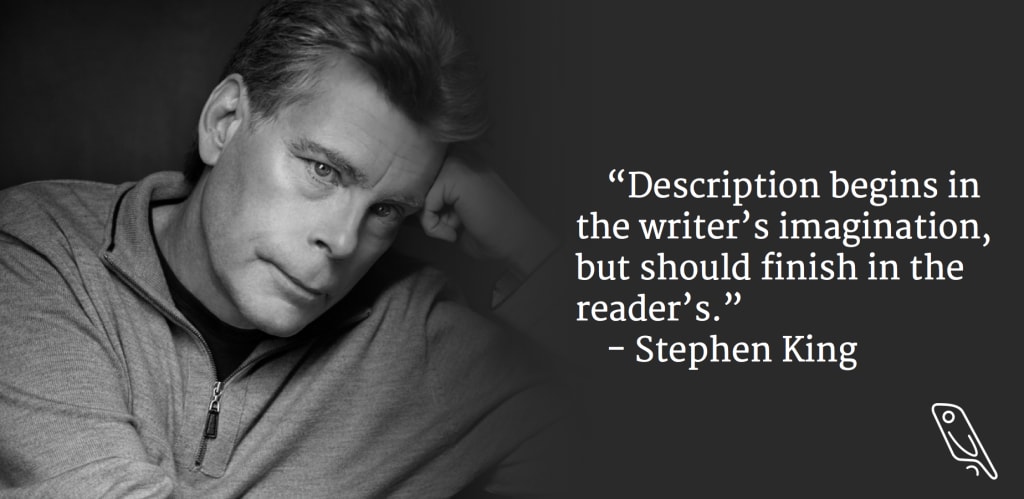
Many people who write online day after day finally come to the end of a path that says, “Dead End” and inspiration fails. When that dreadful writer’s block comes upon you it can be pretty daunting and you wonder where your next thoughts might come from. Things are never as bad as they seem and perhaps if there are moments when we fear we will never write another word let’s take a look at what well-known writers did. Some of their methods could leave us thinking – there was a method to their madness.
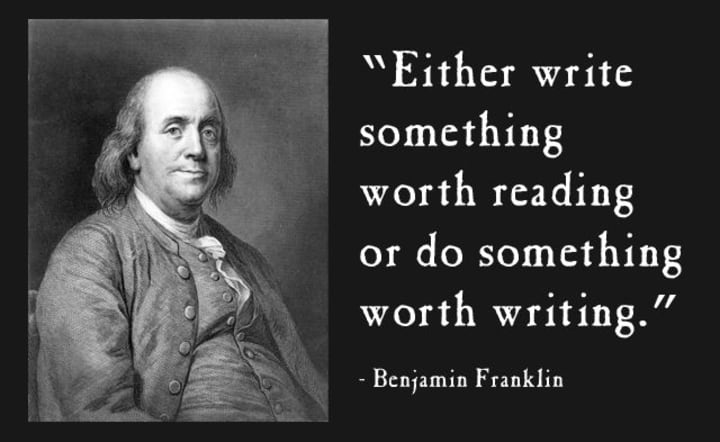
Benjamin Franklin, one of the Founding Fathers of the U.S. took nude air baths. He figured that an open window let air circulate and this was an important disease prevention measure. It helped him combine his thoughts better.
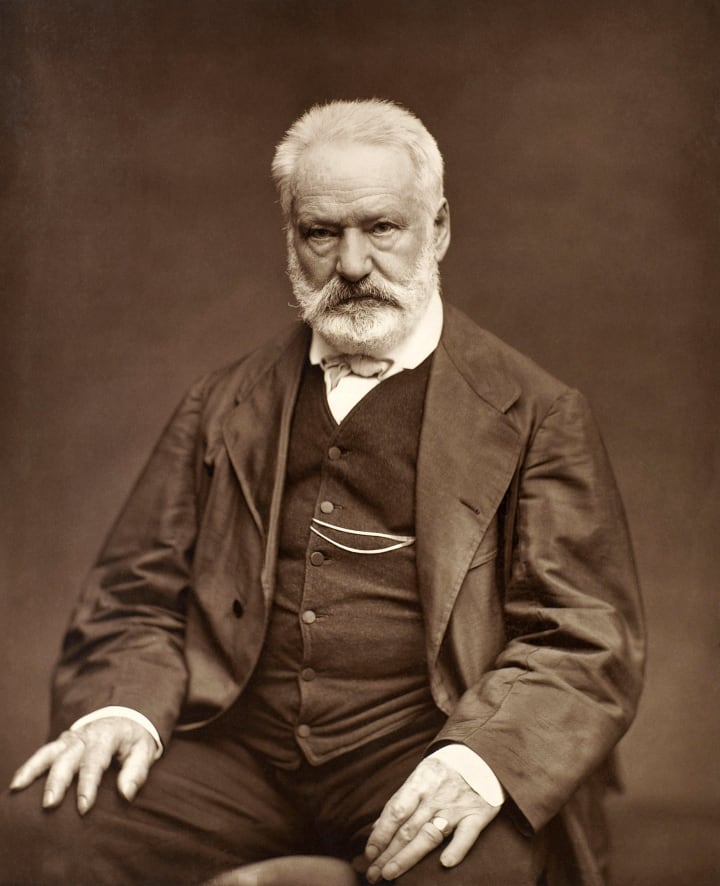
Well-known writer Victor Hugo the author of such books as “The Hunchback of Notre Dame” has his own method. If words did not flow he removed his clothes and handed them to his valet. Then he locked himself into his room until the words began to flow again.
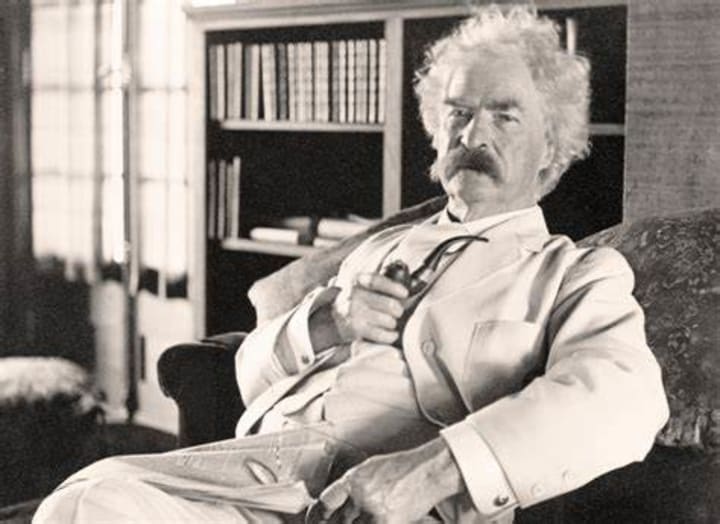
When it came to the creator of such wonderful characters as Huck Finn and Tom Sawyer, Mark Twain preferred to gather his thoughts on his bed. He had a favorite bed with a lovely carved oak headboard. You can imagine that this technique would have worked so much better today since he could have had a laptop on the bed with him to search for thoughts and subjects.
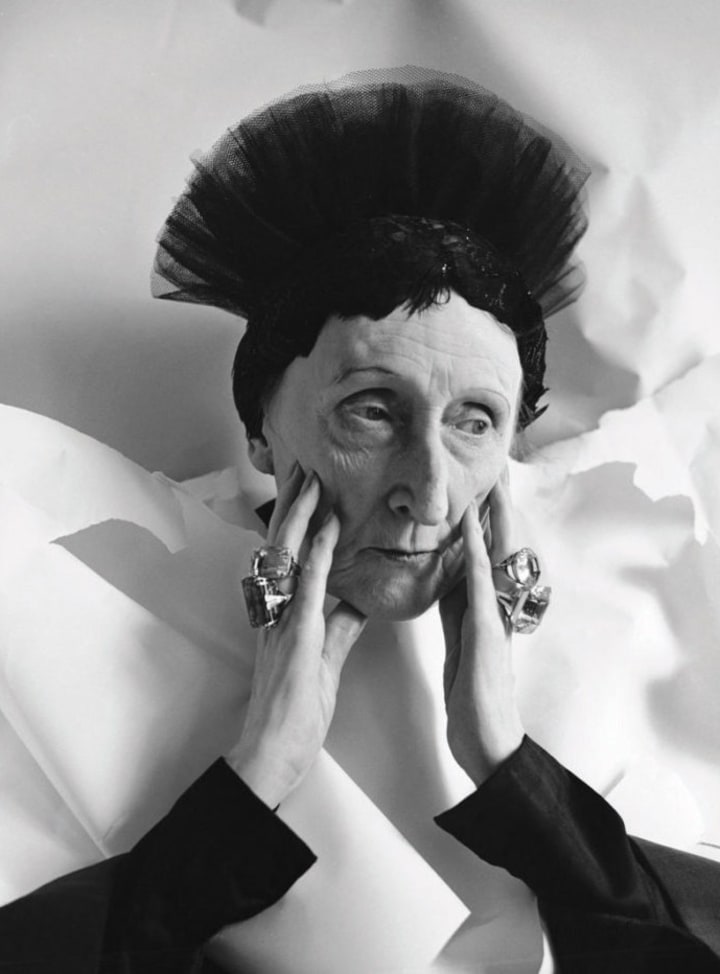
Another author who took to her bed was British poet and critic Edith Sitwell but she supposedly took things to the extreme and would begin her writing day by lying in an open coffin. Talk about composing your thoughts.
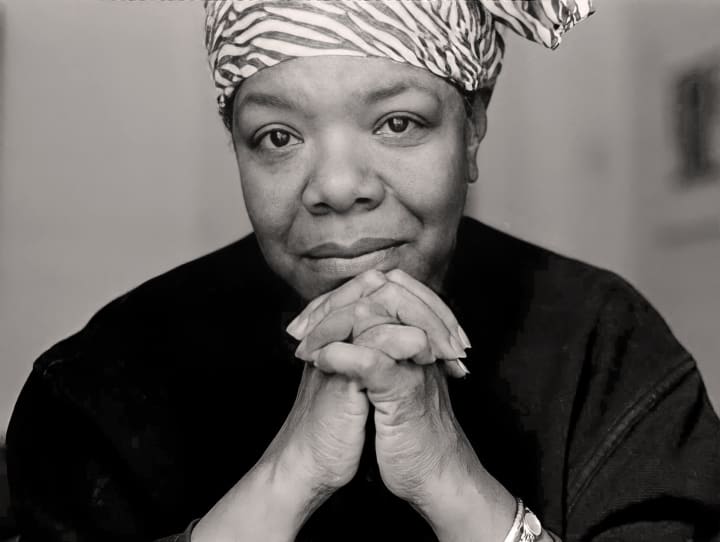
American memoirist, poet, and civil rights activist Maya Angelou preferred to rent a local hotel room for a month at a time. She removed all distractions from the room like artwork or decorations. The only items left were the Bible, a poem collection, a dictionary, a thesaurus, a deck of playing cards, a bottle of sherry, cigarettes, and an ashtray. All right I agree for most of us smoking is not an agreeable habit so that could be eliminated but the idea of playing cards was the game of solitaire brought the flow of language. It is something to consider but you might want to have this setting in your own home instead of taking it to a hotel which can get expensive.
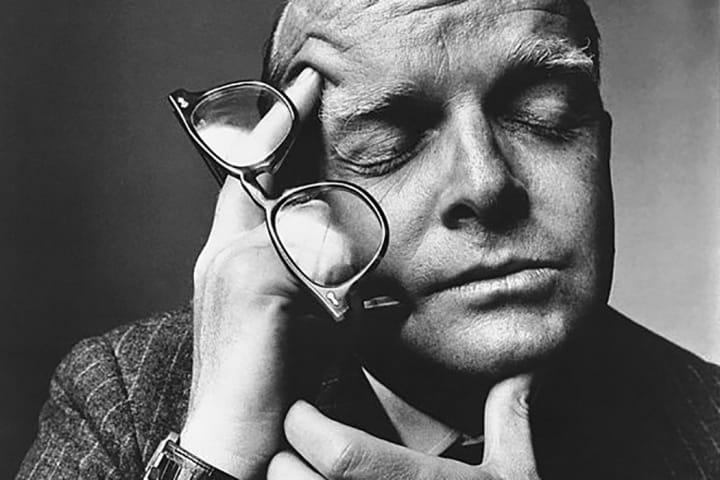
Truman Capote the author of such American classics as “Breakfast at Tiffany’s” and “In Cold Blood” also preferred to lie down in his bed. He had some odd superstitions. He would never begin nor end a piece of writing on a Friday, he would never stay in a hotel room that included the number 13 in the room number, and being a smoker even though he smoked more than three cigarettes per day he never left more than three butts in an ashtray putting the rest in his coat pocket. Of course, being a published author one could afford certain peculiarities.
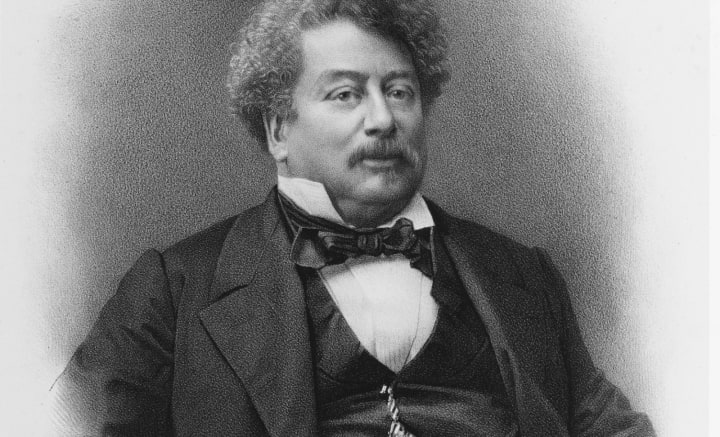
The French author Alexandre Dumas whose books included “The Count of Monte Cristo” and “The Three Musketeers” believed that the aesthetics of writing were almost just as important as the writing itself. He would color-code his work. Fiction was written on blue paper, poetry on yellow, and non-fiction on pink paper. Once when he was traveling and ran out of blue paper and was forced to use plain white paper he thought his writing was worse.
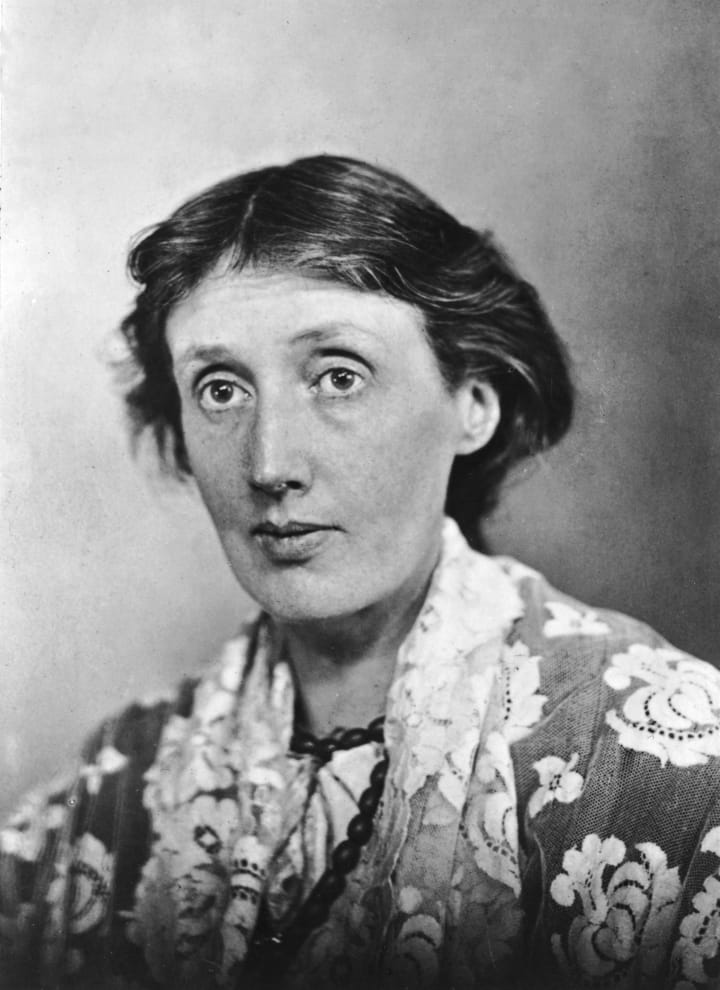
Virginia Woolf wrote with different-colored pens among which purple was her favorite.
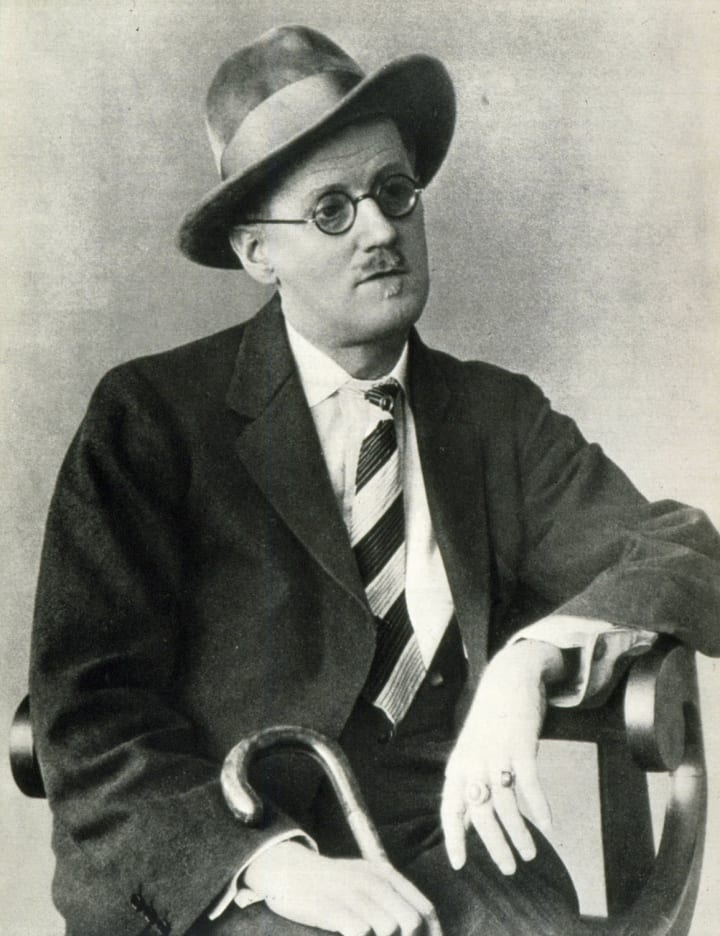
Author James Joyce of such novels as “Ulysses” and “The Dubliners” preferred to write on his stomach, using cardboard and blue crayons. Boy, this would give my neck an awful crick. Since the author was almost blind due to having suffered a childhood myopia the blue crayon was easier for him to see. He always wore a white coat since this best reflected light most importantly at nighttime.
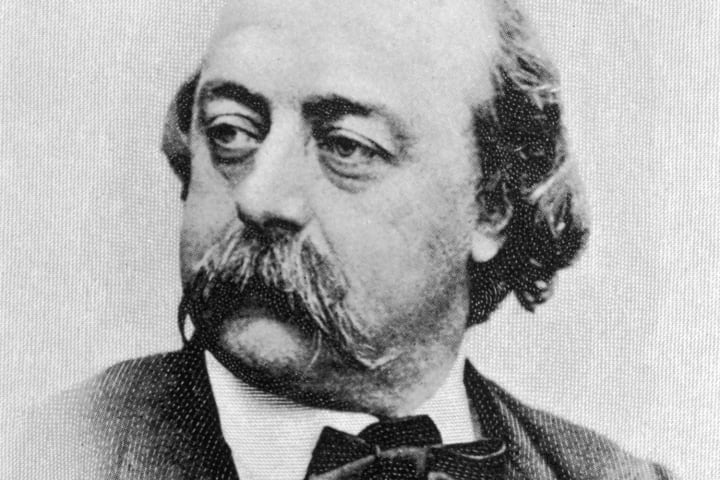
The author of “Madame Bovary” Gustave Flaubert had quite an unusual schedule. He would wake up at 10 in the morning and knock on the ceiling announcing to his mother that he wanted to have a talk. As he spoke to his mom, who would sit on the bed he would be a smoking smokestack and the fumes would make his migraines worse but he would continue to do so. Then he would soak in the bathtub in scalding hot water and later applied a tonic to his balding head.
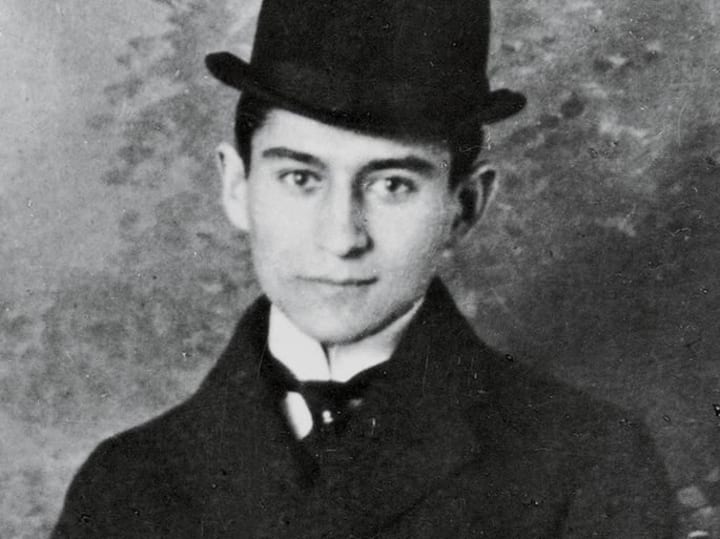
Author Franz Kafka of “The Metamorphosis” sold insurance by day and wrote at night. His days were the usual 9 – 5 grind and he would begin his writing at around 10:30 at night and write into the wee hours. Somehow the working and the writing combination worked well for him.
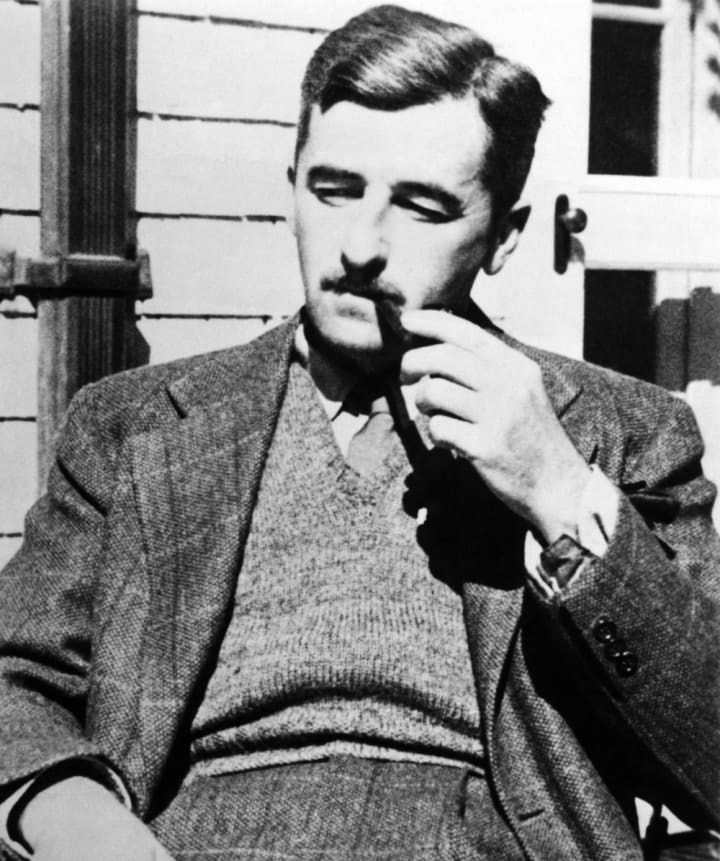
American writer William Faulkner would do the opposite. He would write during the day hours and work the night shift at a power plant.
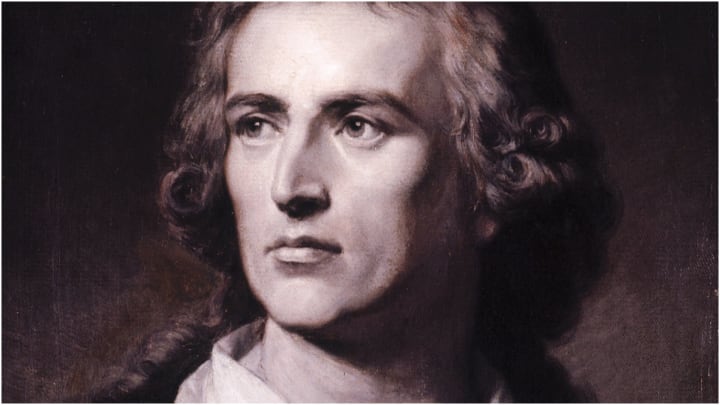
German poet Friedrich Schiller needed the stench of rotten apples to keep writing.
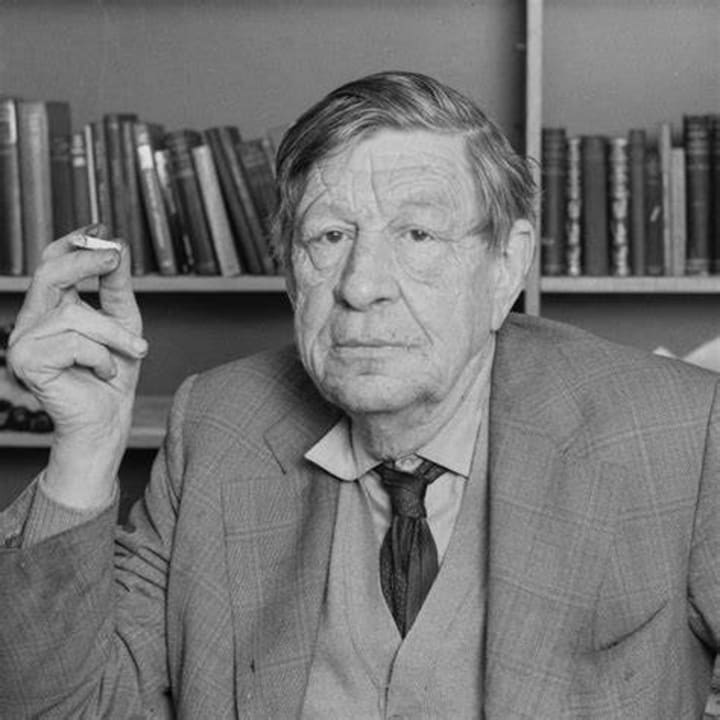
English American poet W.H. Auden had a habit of taking Benzedrine every morning for twenty years from 1938 onward and took the barbiturate Seconal if he needed to balance the effects so he could sleep. If this combination didn’t work Auden kept a glass of vodka on his night table.
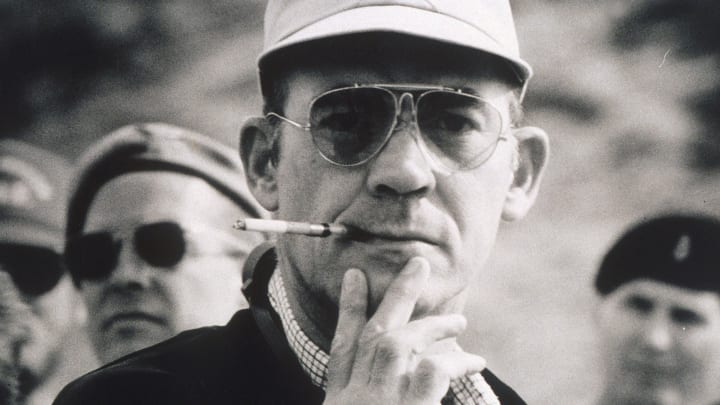
American journalist and author Hunter S. Thompson was notorious for his breakfast of cocaine, Chivas Regal, and Dunhill cigarettes. This combination seemed to work for him throughout the day. Going out for lunch he would add Heineken and margaritas in the mix and if he had a snow cone, just shredded ice in a glass he’d pour on several jiggers of Chivas. By midnight he was ready to write until 6 AM when he would have more lethal combinations among them Chartreuse, gin, and champagne. After 8 AM he was ready to sleep.
As you can tell writers have and will always do whatever it takes to keep them inspiring and writing. Not all of the methods might be the best and some are downright strange if not dangerous or unhealthy but a writer has to do what he does best and that is to continue writing. Keep a notebook of the things that bring you inspiration, places that bring ideas, and other methods that will keep you writing happily and hopefully your muses will keep you on track and you won't be a victim to writer's block. I sit at my PC surrounded by notebooks where I jot down thoughts, things I am in the process of writing, and things I have written and are ready for posting. At anytime I can look back and see what I have written and if anything needs to be changed. If I find some interesting subject online I bookmark that page so that when I am ready to write about that subject I have reference for it.
About the Creator
Rasma Raisters
My passions are writing and creating poetry. I write for several sites online and have four themed blogs on Wordpress. Please follow me on Twitter.
Keep reading
More stories from Rasma Raisters and writers in Writers and other communities.
Mysterious Greek Poet
When it comes to finding out about Greek poets it is amazing to discover that there is at least some information available. Homer is well-known for being the poet who wrote the epic stories of “The Iliad” and “The Odyssey” much to the delight of people who appreciated this kind of writing and loved to read poetry and to the dismay of all the students who had to analyze these two stories.
By Rasma Raistersabout a year ago in Poets
Public Notice
The United States now has a Ministry of Truth, just like the one where Winston Smith worked. Freedom is slavery; ignorance is strength; war is peace. We are here. You are being asked to reject the evidence your eyes and ears have given you for what they tell you. This is not a test.
By Harper Lewis7 days ago in Writers
The Path to Salvation
The late autumn evening air filled the monk's lungs, but it wasn't the season that chilled his bones. The heavy-handed presence of evil he had sensed upon entering the woods surrounding this mountain village had not bothered to conceal itself from him.
By Made in DNA5 days ago in Fiction



Comments
There are no comments for this story
Be the first to respond and start the conversation.