
Breaking Down Costs: What to Expect from 200 TPH Track and Wheeled Mobile Stone Crushers
What to Expect from 200 TPH Track and Wheeled Mobile Stone Crushers

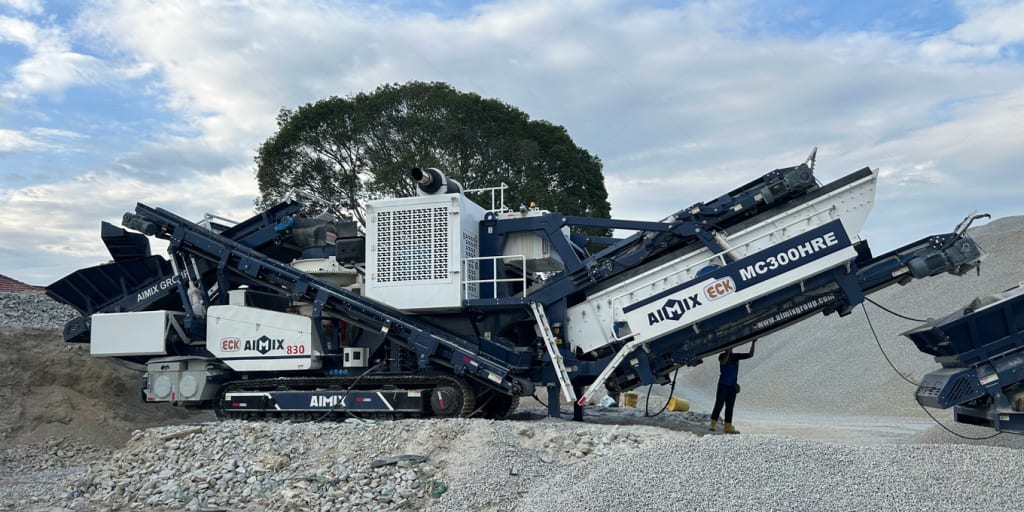
Let's get one thing straight right now: if you're just looking at the price tag on a 200 TPH mobile crusher, you're already setting your wallet on fire. That number is a ghost, a mirage in the desert of real-world crushing. The true cost of owning and running one of these iron beasts isn't in the purchase order; it's in the dirt, the diesel, the downtime, and the grinding wear that bleeds you dry day after day. You're not buying a machine; you're buying a production system, and its appetite for your cash is determined by the fundamental choice you make at the start: tracks or wheels. This isn't a gentle suggestion; it's a hard-nosed breakdown of where your money actually goes, so you can pick the weapon that won't break in your hand when the rock gets tough.
The Sticker Price is a Trap: Unpacking the Initial Investment
Walk onto any lot and the sales pitch will hit you fast. The tracked crusher, a sleek, low-slung predator, commands a premium. You're paying for its on-board propulsion system—a complex network of hydraulic motors, pumps, and reinforced steel tracks. This isn't just for show; it's the price of true go-anywhere mobility, the ability to clamber over a demolition pile or navigate a soggy quarry floor without a tow. The wheeled counterpart, in contrast, is the blunt instrument. It's typically cheaper upfront because it relies on a semi-truck for major relocation. Don't mistake this for simplicity. The real price dictator, for either type, is component pedigree. A crusher built with a third-tier power plant and generic hydraulics is a ticking time bomb, regardless of its undercarriage. The initial savings will be vaporized by your first major repair. The true initial cost is the price of admission for a machine with a proven heart and soul.
The Grind: Operational and Maintenance Realities
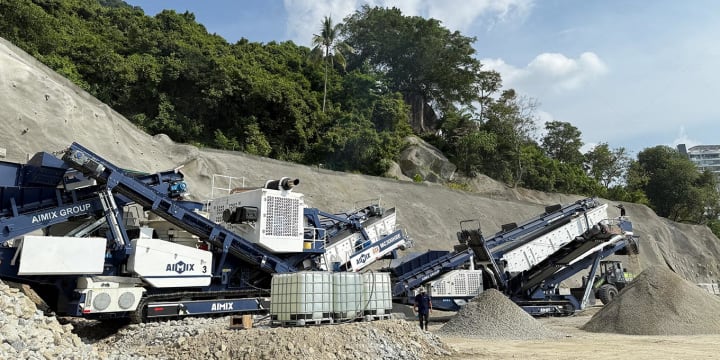
This is where the rubber meets the rock, and where your profits are truly made or lost. Tracked machines are notoriously thirsty. All that hydraulic machinery used for moving the entire plant chews through diesel. It's the cost of unparalleled site agility. Wheeled plants, once positioned, often have the option to plug into grid power—a massive and immediate reduction in operating expense. Then comes the attrition. Wear parts are the constant, grinding cost of doing business. Blow bars, jaw dies, liner plates—they are consumables. But the rate of consumption is everything. A poorly configured rock crusher fighting the wrong feed material will burn through these parts at a ruinous pace. Downtime is the silent killer. A tracked undercarriage itself is a wear item; rollers, idlers, and pads require regular, expensive replacement. A wheeled plant has fewer complex moving parts in its mobility system, but if its setup is more labor-intensive, you're losing production time with every move. Your crew's skill factor is a cost. A tracked plant's intuitive, remote-controlled operation often requires fewer hands to maneuver, potentially trimming labor costs.
The Long Game: Residual Value and Total Cost of Ownership
The smartest operators don't think about what a crusher costs today; they think about what it will be worth tomorrow and what it cost to own for every ton it produced. This is the total cost of ownership, and it's the only metric that matters. Tracked crusher often hold their value with a stubborn tenacity. Their versatility and self-contained nature make them highly desirable on the used market. They have resale clout. A wheeled model might depreciate more steeply, seen as less flexible. The final calculation is a brutal assessment of your specific needs. Are you constantly hopping between tight urban sites, where a tracked crusher's quick setup and teardown pay for itself in saved time and external hauling costs? Then its higher operational expense is justified. Or are you parked in a single quarry for months on end, where a wheeled plant's lower fuel and maintenance costs make it the undisputed king of pure, cheap production? You have to match the machine to the muck. Buying a track machine for a stationary application is burning money. Buying a wheeled machine for a multi-site contract is begging for logistical nightmares. Choose based on your terrain, your project timeline, and the brutal arithmetic of cost per ton over the machine's entire life, not the seductive lie of a low initial price.
About the Creator
AIMIX
Construction Machine Manufacturer in China. Find Machines here: https://aimixconcretesolution.com/
Untitled
I pat my brows with a handkerchief I fancy, and I think about the plight we are in today; it makes me squirm. In all my words you seek to find a formula, but your ledgers are filled with trending tabs (ephemeral tallies). You make me feel like I should be held in a box. It is impossible for someone to grow or be better than they were yesterday; simply by choice, they wish to step back and publish a little slower, less frequently.
By Caitlin Charltonabout a month ago in Writers


Comments