
Stationary Concrete Pumps in South Africa: Usage, Selection & Market Insights
Navigating Equipment Choices for Optimal Performance in South Africa's Unique Construction Landscape
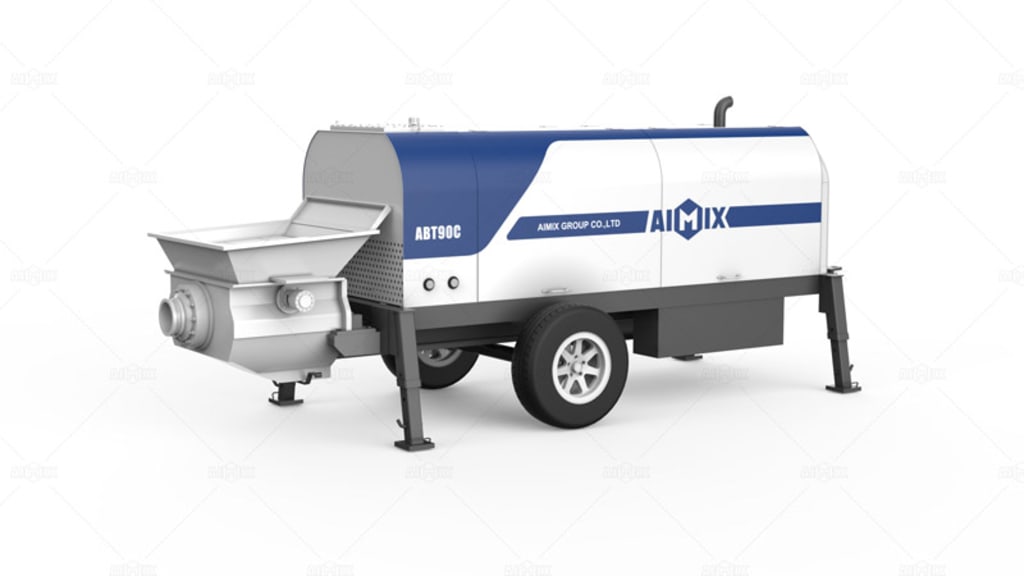
South Africa's construction sector presents unique challenges and opportunities that significantly influence equipment selection and operation. Stationary concrete pumps have become indispensable assets across the country's diverse building landscape, from urban high-rise developments in Gauteng to infrastructure projects in remote regions. These robust machines bridge the critical gap between batching plants and placement areas, offering reliable concrete transportation where ready-mix trucks cannot reach or where continuous pours demand unwavering consistency.
The South African market exhibits particular characteristics that shape stationary pump requirements, including variable power reliability, extreme temperature fluctuations, and logistical challenges in equipment maintenance. Understanding these local conditions becomes paramount when selecting and operating stationary concrete pumps that must perform reliably in environments ranging from coastal humidity to highveld altitude. This examination explores the nuanced approach required to maximize the value of these significant equipment investments within South Africa's distinctive construction ecosystem.
Market Dynamics and Application Spectrum
South Africa's ongoing infrastructure development program drives substantial demand for stationary concrete pumps capable of handling large-volume pours for bridges, dams, and transportation networks. These projects often require pumping concrete over exceptional distances or heights that exceed mobile pump capabilities, making stationary units the preferred choice for major civil engineering undertakings. The consistent output and pressure stability of stationary pumps ensure structural integrity in critical infrastructure elements where concrete quality cannot be compromised.

Beyond infrastructure, stationary pumps serve South Africa's burgeoning residential and commercial construction sectors, particularly in high-density urban developments where space constraints limit equipment options. Their ability to be positioned remotely from the actual pour location, connected through extensive pipeline networks, makes them invaluable for city center projects with severely limited access. This flexibility allows contractors to maintain construction schedules despite challenging site conditions that would otherwise delay concrete placement operations.
Strategic Selection Criteria for Local Conditions
Selecting appropriate stationary pumps for South African operations requires careful consideration of power source compatibility given the country's variable electricity supply. Many contractors prioritize units with generator compatibility or dual-power capabilities that ensure uninterrupted operation during load-shedding events. Pump hydraulic systems must also accommodate the country's altitude variations, particularly for projects on the Highveld where atmospheric pressure changes affect pumping performance.
Equipment reliability and manufacturer support networks prove equally critical in the South African context. The geographical vastness of construction projects means that technical support and spare parts availability can make the difference between minimal downtime and extended project delays. Established brands with comprehensive dealer networks typically provide better service response times and parts availability, though this must be balanced against potentially higher initial investment costs compared to lesser-known manufacturers.
Operational Best Practices and Maintenance
Operating stationary pumps in South Africa's diverse climatic conditions demands adapted maintenance protocols. Coastal projects require enhanced corrosion protection for both the pump and pipeline systems, while arid regions necessitate special attention to dust filtration and cooling system efficiency. The country's variable aggregate quality also influences pump wear rates, requiring more frequent inspection of wear parts and potentially different material specifications for components subject to abrasion.
Developing comprehensive maintenance schedules that account for these environmental factors significantly extends equipment service life. Many successful contractors implement condition-based maintenance programs using oil analysis and vibration monitoring to predict component failures before they occur. This proactive approach proves particularly valuable in remote locations where unexpected breakdowns can result in substantial project delays and costly emergency repair scenarios.
Economic Analysis and Investment Planning
The financial analysis of stationary concrete pump ownership in South Africa must incorporate unique local factors including import duties, financing costs, and residual values. While initial purchase prices represent a significant consideration, the total cost of ownership calculation should prioritize reliability and productivity metrics that ultimately determine return on investment. Many contractors find that paying premium prices for established brands yields better long-term economics through higher availability and stronger resale values.
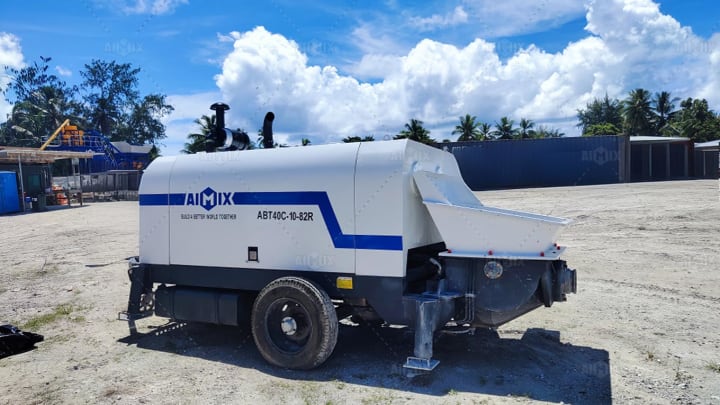
The rental versus purchase decision requires careful market analysis, considering both current project pipelines and anticipated future work. South Africa's construction market cycles can influence this calculation significantly, with periods of high demand making ownership more attractive while uncertain markets may favor rental flexibility. Some contractors adopt hybrid approaches, maintaining core owned equipment while renting additional capacity during peak periods to avoid overextending their capital investment positions.
Stationary concrete pumps for sale in south africa represent substantial investments that can dramatically enhance project capabilities when matched appropriately to South African conditions. By understanding local market dynamics, selecting equipment suited to regional challenges, implementing adapted maintenance practices, and making informed financial decisions, contractors can leverage these powerful machines to gain competitive advantages across South Africa's diverse construction landscape.
About the Creator
AIMIX
Construction Machine Manufacturer in China. Find Machines here: https://aimixconcretesolution.com/
Wild Card Weekend Recap: What Happens Now?
I think I figured out why I love Wild Card Weekend so much. It's because it's the first playoff anything of the calendar year. The NFL season starts in the fall, and once upon a time, the champion was crowned either on or slightly before New Year's. The evolution of the NFL schedule has resulted in the playoffs starting just into the New Year, and currently, the final week of the season falls on the first weekend of the New Year, with Wild Card Weekend coming a week after that. So yes, chronologically, the NFL's Wild Card Weekend serves as the first playoff anything of the calendar year.
By Clyde E. Dawkins7 days ago in Unbalanced



Comments