
AI in Writing: When and How to Use It for Maximum Impact
Unveiling the Power and Pitfalls of AI-Driven Content Creation in 2025


Have you ever wondered if a machine could write as compellingly as a human? In 2025, this question is more relevant than ever, as AI writing tools continue to reshape the creative landscape. From drafting blog posts to crafting marketing copy, artificial intelligence has become a game-changer for many writers and professionals. But with great power comes great responsibility — when should you use AI in writing, and how can you do it effectively without losing your unique voice? In this article, I’ll explore the evolving role of AI in content creation, share personal insights, and provide actionable strategies to help you navigate this controversial yet transformative technology.
The Great Debate: AI as a Creative Ally or Enemy?
AI in writing has sparked intense discussions among creatives. Some view it as a threat to originality, arguing that it produces generic content lacking soul. I’ve seen this firsthand — early AI tools often churned out repetitive phrases that felt robotic. On the other hand, many embrace AI as a productivity booster. As someone who juggles multiple deadlines, I’ve used AI to brainstorm ideas when my mind felt blank, saving hours of frustration. The divide is clear: AI can be both a tool and a trap, depending on how it’s wielded. So, where do you stand in this debate, and how can you find balance?
When Should You Turn to AI for Writing?
AI isn’t a one-size-fits-all solution, but there are specific scenarios where it shines. If you’re stuck on ideation, tools like Jasper or Writesonic can generate prompts or rough drafts to kickstart your process. They’re also handy for repetitive tasks — think SEO meta descriptions or social media captions. I’ve found AI particularly useful for outlining complex topics; it helps structure my thoughts before I dive into the actual writing. However, AI should never replace your final edit — its output often needs a human touch to resonate with readers. So, when are you most likely to need a digital writing assistant?
How to Use AI Without Losing Your Voice
The biggest fear with AI is that it dilutes authenticity. To avoid this, I treat AI as a collaborator, not a ghostwriter. Start by feeding it specific prompts that reflect your style — don’t settle for its default tone. After it generates content, rewrite key sections to infuse your personality. For instance, when I used an AI tool to draft a newsletter, I scrapped half its suggestions and rewrote the intro with a personal anecdote. The result? Content that felt like me, not a machine. Remember, AI is a starting point, not the finish line. How do you ensure your writing stays uniquely yours?
The Ethical Dilemma of AI-Generated Content
Ethics matter in AI writing. Passing off AI-generated text as entirely your own can mislead readers and damage trust. Transparency is key — if AI played a major role, consider disclosing it, especially in professional settings. Additionally, over-reliance on AI risks plagiarism, as some tools pull from existing web content. I always run AI drafts through plagiarism checkers like Grammarly to ensure originality. As AI laws evolve in 2025, staying ethical isn’t just good practice — it’s a necessity. What steps do you take to maintain integrity in your work?
Practical Tips for Integrating AI Into Your Writing Workflow
Define AI’s Role: Decide upfront whether AI will assist with brainstorming, drafting, or editing. Limit its scope to avoid over-dependence.
Choose the Right Tool: Pick a tool suited to your needs — Copy.ai for short-form content, or Sudowrite for creative storytelling.
Customize Inputs: Provide detailed prompts with context about tone, audience, and goals to get relevant output.
Edit Ruthlessly: Treat AI content as a rough draft. Revise for clarity, emotion, and personal flair.
Stay Updated: With AI tools advancing rapidly in 2025, follow industry news to leverage the latest features without falling behind.
Looking Ahead: AI Writing Trends for 2028
By 2028, AI writing tools are predicted to become even more intuitive, with natural language models mimicking human nuance better than ever. Recent reports suggest a shift toward hyper-personalized AI that adapts to individual writing styles — imagine an assistant that learns your quirks over time. Regulatory frameworks around AI content disclosure may also tighten, pushing for greater transparency. I believe this will encourage a hybrid approach, where AI handles grunt work while humans focus on storytelling. What future developments in AI writing are you most excited about?
Wrapping Up: Striking the Right Balance With AI
AI in writing is a powerful ally when used thoughtfully. It can save time, spark ideas, and streamline workflows, but it’s no substitute for human creativity and judgment. As we navigate 2025’s tech landscape, the key is balance — leverage AI for efficiency without sacrificing authenticity. I’d love to hear your thoughts: How do you use AI in your writing, and what challenges have you faced? Drop a comment below and let’s keep this conversation going!
About the Creator
John Coleman
Tech entrepreneur creating multi-word challenges. Dordle Game and Quordle Today expand traditional word games with simultaneous puzzles.
Keep reading
More stories from writers in Writers and other communities.
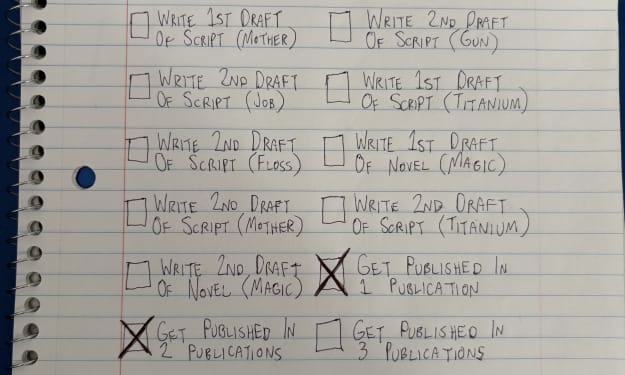
Early March 2026: 4 Goals Accomplished
It's early March and I've now accomplished my 4th writing goal for the year of 2026. Before diving into the behind-the-scenes of it... why not tell you up front what that accomplishment was? I was published in a 2nd publication for this year. Published in Helix Literary Magazine out of Central Connecticut State University. You can read it for free right now!
By Stephen Kramer Avitabile3 days ago in Writers

Comments (2)
Oh wow do tell lol so interesting, I subscribed love your insights. Can you please lmk what you think of my latest poem 💗💗💗
I think the debate on AI in writing is spot-on. I've used it for brainstorming and it's been a time-saver. But like you said, it can't replace the final edit. I'm curious, how do you ensure the AI-generated content still has your unique voice? And do you think there'll come a point where AI can truly replicate a human's creative spark?