
AI in Wealth Management:
Using AI for Portfolio Optimization, Client Behavior Prediction, and Risk Management


Artificial intelligence (AI) is revolutionizing almost every industry, and wealth management is no exception. From analyzing massive amounts of data to predicting market movements, AI is becoming a key tool for financial advisors aiming to deliver more precise and personalized services to their clients. Whether it’s optimizing portfolios, forecasting client behavior, or identifying potential risks, the benefits of AI in wealth management are too significant to ignore.
The Role of AI in Modern Wealth Management
AI leverages advanced algorithms to process large datasets quickly and accurately. This technology can identify patterns, trends, and opportunities that would take human advisors much longer (if not an eternity) to uncover. AI tools can be utilized across various aspects of wealth management, including portfolio optimization, risk management, and client engagement.
For example, a portfolio optimization algorithm can sift through thousands of securities to recommend an allocation strategy that maximizes returns while aligning with a client’s risk tolerance. Meanwhile, AI-powered analytics can predict how a client might react to market changes based on their past behaviors or portfolio decisions.
Key Benefits of AI in Wealth Management
Integrating AI into financial advisory services offers benefits for both advisors and clients. Here’s how AI is reshaping the wealth management industry for the better:
Enhanced Portfolio Performance
AI algorithms analyze historical market data, economic trends, and individual investment preferences to create portfolios that are optimized for risk-adjusted returns. By continuously monitoring and recalibrating portfolios, AI ensures they stay aligned with clients’ financial goals.
Improved Risk Management
AI detects risks early by identifying patterns that traditional risk models might overlook. For example, machine learning tools can analyze geopolitical developments, market sentiment, or sector trends to warn advisors about emerging threats to a client’s portfolio.
Personalized Client Engagement
AI tailors advice to the unique needs of each client. By analyzing behavioral data, AI can predict how clients might respond to various investment strategies. This allows advisors to present options that are more likely to align with client expectations.
Operational Efficiency
Automating time-consuming tasks like data analysis, report generation, and compliance tracking frees up advisors to focus on what matters most: fostering relationships with their clients.
Predictive Insights
AI systems analyze historical data to forecast future outcomes, providing actionable insights into market movements or client behavior. This foresight allows advisors to make well-informed decisions faster.
Practical Ways Advisors Can Use AI
AI isn’t just for large firms with deep pockets. Scalable and user-friendly AI tools are now accessible to advisors of all sizes. Here are some practical ways to integrate AI into your wealth management practice:
1. Portfolio Optimization
Use AI-driven tools to construct and maintain diversified portfolios. These tools evaluate thousands of variables, from asset correlations to volatility patterns, to recommend the optimal asset mix for each client. Examples include robo-advisory platforms like Betterment and Wealthfront or institutional-grade tools like BlackRock’s Aladdin software.
Pro Tip: Customize parameters (e.g., risk tolerance or time horizon) within these tools to offer tailored investment approaches.
2. Behavioral Analysis
Implement AI systems that track transaction data, meeting notes, and communications to predict client behavior. For example, if a client has repeatedly shown interest in sustainable investing, AI can flag ESG-focused options for consideration. Machine learning tools like Salesforce Einstein or NexJ are great for this purpose.
Pro Tip: Use behavioral predictions to proactively reach out during volatile times, offering reassurance before clients feel anxious about market dips.
3. Risk Assessment and Alerts
Leverage AI-powered risk management platforms to monitor potential threats to client portfolios. These platforms continuously analyze economic indicators, geopolitical events, and market conditions to generate a tailored risk report.
Pro Tip: Set automatic alerts for significant changes (e.g., interest rate hikes or credit spread fluctuations) so you can adjust strategies in real time.
4. Client Segmentation and Personalization
AI can group clients based on attributes like life stage, financial goals, or risk appetite. This segmentation enables more targeted advice, communications, and portfolio strategies. Tools like AdvisorPeak or Riskalyze excel at personalizing advisory services.
Pro Tip: Use segmentation data to craft financial plans suited for specific milestones, such as retirement or saving for a child’s education.
5. Automated Reporting
Many AI tools simplify compliance reporting and performance tracking by generating detailed, real-time reports. This enhances transparency and builds client trust over time.
Pro Tip: Include visual dashboards with charts and trends to make detailed reports more digestible for your clients.
6. Chatbots and Virtual Assistants
AI-powered virtual assistants like IBM Watson can answer client queries, schedule meetings, or provide basic financial guidance. This automation ensures clients get quick responses and frees up advisors for high-value tasks.
Pro Tip: Integrate virtual assistants into your website or client portal to provide 24/7 support.
Tips for Successful AI Integration
To maximize the value of AI in your practice, follow these tips:
Start Small
Begin with one or two AI tools (such as a portfolio optimizer or chatbot) to familiarize yourself with the technology before expanding its use across multiple areas.
Train Your Team
Educate your team on how to use AI platforms effectively. Many providers offer free training sessions for new users.
Don’t Over-Automate
AI should complement, not replace, the human element of wealth management. Combine data-driven strategies with the empathy and understanding only a human advisor can offer.
Ensure Data Security
AI platforms require access to sensitive financial data. Partner with reputable providers who prioritize encryption and provide robust cybersecurity measures.
Measure and Iterate
Regularly evaluate the performance of AI tools to ensure they’re delivering value. Gather client feedback to identify areas for refinement.
Final Thoughts
AI is transforming wealth management by empowering advisors to deliver smarter, faster, and more personalized solutions. Whether it’s optimizing portfolios, predicting client needs, or managing risks, AI-driven strategies are reshaping how advisors work and how clients experience financial planning.
Integrating AI tools into your practice isn’t just about keeping up with the times; it’s about future-proofing your service offerings. By balancing advanced technology with human expertise, you’ll stay ahead of the curve and build stronger, more meaningful relationships with your clients.
Take the first step today and explore AI platforms that align with your firm’s goals. The future of wealth management is here–don’t get left behind.
About the Creator
Scr Media Inc
Publisher of award-winning books on financial and wealth planning
Keep reading
More stories from Scr Media Inc and writers in Writers and other communities.
Generational Wealth Planning
Building wealth is a significant achievement, but sustaining that wealth across generations is where the real challenge lies. Without a thoughtful plan, hard-earned wealth can diminish over time due to taxes, mismanagement, or unexpected life events. Generational wealth planning ensures the financial legacy you've created endures, offering security and opportunities for your family for decades to come.
By Scr Media Inc9 months ago in Writers
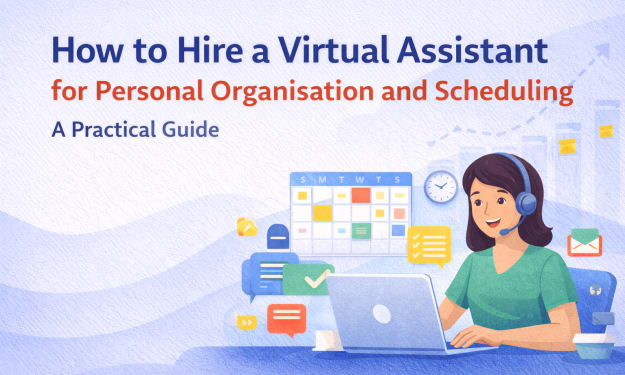
How to Hire a Virtual Assistant for Personal Organisation and Scheduling
If your calendar feels like a battlefield back-to-back meetings, personal errands, rescheduling, missed reminders you’re not alone. In 2025–2026, more professionals and founders are hiring a virtual assistant (VA) not for “extra help,” but to build a system that keeps life and work running smoothly.
By Michael Coplin4 days ago in Writers



Comments
There are no comments for this story
Be the first to respond and start the conversation.