
Achieving Work-Life Balance: Strategies for a Fulfilling Life
Subtle Shifts, Lasting Balance: Strategies for Achieving Work-Life Harmony
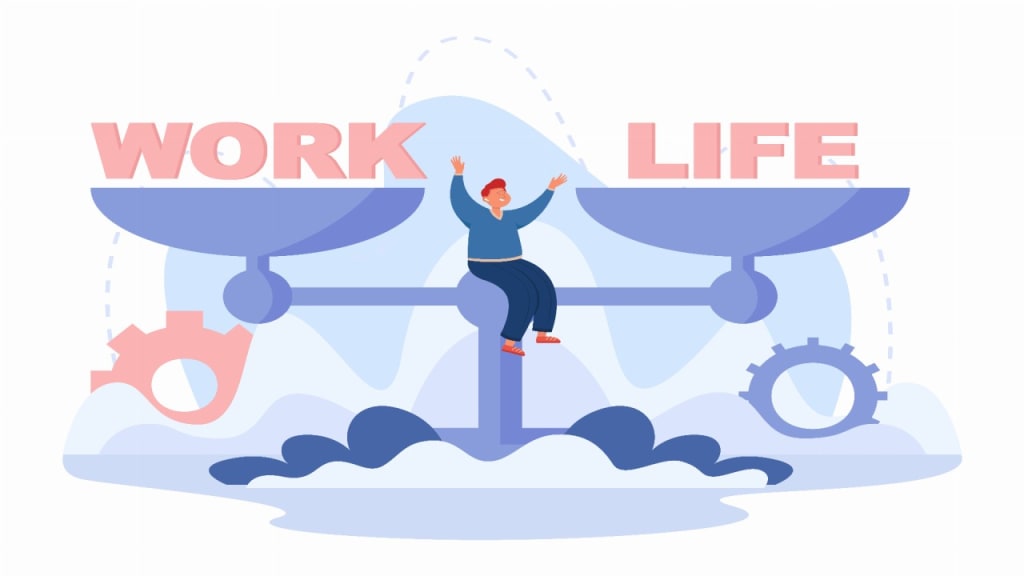
In today's fast-paced world, achieving a healthy work-life balance is more challenging than ever. Balancing career demands with personal life, relationships, and self-care is crucial for overall well-being and happiness. In this blog post, we'll explore effective strategies and practical tips to help you achieve a better work-life balance and lead a more fulfilling life.
Understanding Work-Life Balance
Work-life balance refers to the equilibrium between professional responsibilities and personal activities, including family time, hobbies, self-care, and relaxation. Striking the right balance allows you to perform well at work while enjoying a satisfying personal life, leading to increased productivity, reduced stress, and improved overall happiness.
The Importance of Work-Life Balance
Health and Well-being: Chronic stress from an imbalance can lead to burnout, anxiety, and other health issues. A balanced life promotes physical and mental well-being.
Quality Relationships: Spending time with loved ones and nurturing relationships outside of work enhances happiness and fulfillment.
Increased Productivity: Taking breaks and having time for personal activities rejuvenates your mind, leading to improved focus and productivity when you return to work.
Strategies for Achieving Work-Life Balance
1. Set Boundaries
Establish clear boundaries between work and personal life:
Define Working Hours: Stick to a set schedule as much as possible and avoid work-related tasks outside these hours.
Create a Dedicated Workspace: Designate a specific area for work to separate it from your personal space.
2. Prioritize Tasks
Use prioritization techniques to focus on what matters most:
Use the Eisenhower Matrix: Categorize tasks into urgent, important, less important, and unnecessary to prioritize effectively.
Delegate: Delegate tasks at work and at home when possible to lighten your load.
3. Practice Time Management
Manage your time efficiently to maximize productivity:
Use Time Blocking: Allocate specific time slots for work tasks, personal activities, and breaks.
Set Realistic Goals: Break larger tasks into smaller, manageable goals to maintain motivation and track progress.
4. Learn to Say No
Avoid over-committing by saying no to tasks or activities that do not align with your priorities or values:
Evaluate Commitments: Assess the impact of new commitments on your work-life balance before agreeing to take them on.
5. Make Time for Self-Care
Prioritize self-care activities to recharge and maintain well-being:
Exercise Regularly: Physical activity reduces stress and boosts mood.
Practice Mindfulness: Incorporate mindfulness or meditation into your daily routine to reduce anxiety and improve focus.
6. Set Aside Quality Family and Personal Time
Allocate dedicated time for meaningful connections and personal interests:
Schedule Family Time: Plan regular outings or activities with loved ones to strengthen relationships.
Pursue Hobbies: Dedicate time to hobbies and interests that bring you joy and relaxation.
7. Disconnect and Unwind
Create boundaries with technology to promote relaxation and prevent burnout:
Digital Detox: Take breaks from screens and social media to reduce stress and improve sleep quality.
Establish Relaxing Rituals: Develop evening routines that signal the transition from work to rest, such as reading or taking a bath.
Implementing Work-Life Balance Strategies
Achieving work-life balance is an ongoing process that requires conscious effort and adjustment. Start by incorporating one or two strategies into your daily routine and gradually build on them over time. Remember, balance looks different for everyone, so find what works best for you and prioritize your well-being and happiness.
Conclusion
Balancing work and personal life is essential for overall happiness and fulfillment. By setting boundaries, prioritizing tasks, practicing time management, and making time for self-care and meaningful connections, you can achieve a healthier work-life balance. Start implementing these strategies today to create a more satisfying and fulfilling life for yourself.
If you enjoyed this post, please share it with others who might benefit from better time management. Don’t forget to subscribe to our blog for more tips on productivity and personal growth.
About the Creator
Keep reading
More stories from leonard otoo and writers in Writers and other communities.
Mastering Time Management: Tips and Techniques for a More Productive Life
Time is our most valuable resource, yet it often feels like there’s never enough of it. Effective time management can transform your life, helping you achieve more with less stress. In this blog post, we’ll explore practical tips and techniques to master time management and boost your productivity.
By leonard otoo2 years ago in Writers
Published in Portrait of New England
My quest to find many publications with prestige to submit to has worked out even better than I thought. I was searching for more publications with more prestige in order to bolster my resume. I truly thought I'd try this for a year and not get published anywhere... maybe if I was lucky... in one of them. And I was OK with that... I was just going to try again the following year, and the year after that, and so on.
By Stephen Kramer Avitabile29 days ago in Writers




Comments
There are no comments for this story
Be the first to respond and start the conversation.