
What is the most common problem with the car cooling system?
Common problem with the car cooling system


The name of the cooling system itself implies that it is responsible for maintaining an optimal temperature throughout a significant component of your car. Well, of course, it’s the engine. However, the most efficient machines can also have hiccups over time, affecting the overall vehicle efficiency and performance. When this cooling system fails, it can lead to engine overheating, which not only serves an uncomfortable ride but also can cause permanent damage to the engine, stopping your vehicle from starting if left untreated. So, let’s go through the frequent cooling system problems that your car encounters so that you can spot them and address them quickly to get everything back on track.
1. Coolant leaks
One of the most common reasons behind a cooling system failure is the coolant leaks. The primary task of the coolant is to keep the engine bay cool. But if somehow the coolant leaks, the engine starts producing excessive heat due to insufficient coolant. It might escape from various components like the radiator, hoses, or water pump. Usually, when the hoses or seals get old or damaged or rubber cracks over time, the coolant may leak through these. How to confirm it’s the coolant leakage? Noticing spots or puddles of green or orange liquid under your vehicle while parked is a clear indication of leaking coolant. Checking the coolant level and verifying hoses for cracks regularly, can help detect leaks early.
2. Blocked radiator
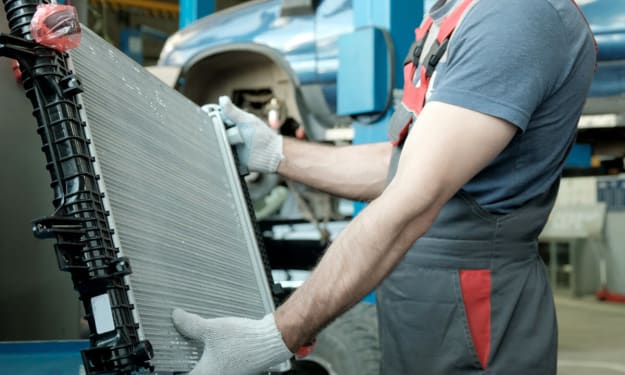
The radiator usually prevents overheating by dissipating heat from the engine. But when the radiator gets blocked by dirt, debris, or even rust, it starts malfunctioning and disrupts the coolant flow to the engine, ultimately leading to engine overheating. Rather than the pollutants, it may also clog if you use the wrong type of coolant, which is not suitable for your car model. To avoid this inconvenience, don’t forget to flush the radiator and swap out the coolant when required. Moreover, it’s crucial to check that the radiator cap is tightened properly with the correct torque since a loose cap can let the air enter the system, causing blockages.
3. Malfunctioning thermostat
The thermostat helps maintain the engine’s temperature by adjusting the coolant flow. If the thermostat gets stuck, it can either prevent the coolant or let it flow too freely, which can make the engine too hot or too cold, causing temperature control problems. Due to poorly maintained engine temperature, the temperature gauge on the dashboard fluctuates or stays high. So, whenever you observe the engine overheating or the temperature gauge behaving strangely, the thermostat might be the culprit.
4. Cracked water pump
The water pump is significant for maintaining the coolant flow through the engine and radiator. When the water pump fails, it can restrict the coolant from spreading throughout the engine compartment and make it produce excessive heat. Rather than seeping coolant, you may also hear abnormal sounds like whining or grinding noises with a defective water pump. The most common reasons for water pump failure are aging and a faulty gasket. In this case, the engine stops getting cooled properly, which can lead to extensive wear and tear.
5. Worn radiator fans
The radiator fans perform a vital task in keeping the engine cool by ensuring steady airflow through the radiator. So, with dysfunctional fans, the engine may overheat, particularly while stuck in stop-and-go traffic. A fan can get damaged due to electrical issues, blown fuses, or physical damage to the blades. Some frequent symptoms of a faulty radiator fan include engine overheating and unusual sounds from the radiator area. Additionally, if your car overheats while at rest, the fans are the first thing to check.
Wrapping up
With this, you have come to this comprehensive guide. Hopefully, you have grasped a lot of ideas about the common cooling system problems in your car. Usually, the engine relies on the cooling system for an optimal temperature, and a failure can cause serious damage if not corrected as early as possible. The issues listed above, like coolant leaks and rusted parts, are common problems that trigger cooling system issues. Thus, if you pay attention to these alerts and keep up with regular care, you can easily prevent costly repairs and keep your vehicle engine protected from overheating in the long run.
About the Creator
Huron Automotive
Huron Automotive is Green Bay’s leaders in auto maintenance and repairs. We at Huron Automotive have years of experience in dealing with different automotive issues starting from tire service to electrical systems maintenance.
Keep reading
More stories from Huron Automotive and writers in Wheel and other communities.
Comprehensive Guide to Car Radiator Services: Choosing the Best Repair and Maintenance Solutions
Your car's radiator plays a crucial role in maintaining the engine's temperature, ensuring it runs smoothly and efficiently. Without a properly functioning radiator, your vehicle is at risk of overheating, which can lead to significant engine damage and costly repairs. This comprehensive guide will help you understand car radiator problems and the best repair and maintenance solutions, enabling you to keep your vehicle in top condition.
By Huron Automotive2 years ago in Wheel
How, Too”: Understanding the Power of Process and Inclusion in Modern Thinking
At first glance, the phrase “How, Too” looks incomplete, almost confusing. It seems like a fragment pulled from a larger sentence, a pause in thought rather than a conclusion. Yet when examined more closely, “How, Too” captures two of the most important questions shaping modern discourse: how things are done, and who is included as part of that process, too. In an era defined by rapid change, accountability, and demands for inclusion, these two small words carry surprising depth.
By Salaar Jamalia day ago in Wheel



Comments
There are no comments for this story
Be the first to respond and start the conversation.