
What Happens to Old Formula 1 Cars? Fate, Museums, and More
Exploring the Legacy of Retired Racers


After a race is over, most race cars head into the pits for repairs so they’re ready for the next one. But what happens to the cars that are done for good? Like, say a new season has started and certain teams won’t be using their old cars anymore—where do those end up? Are they sold off? Do they land in a museum? Honestly, it just depends on what the team decides.
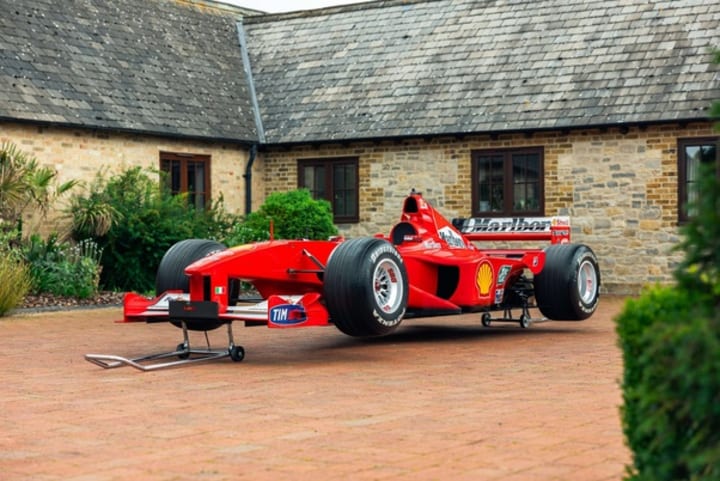
A good example is the Ferrari F1-2000. Rubens Barrichello drove it to his first-ever Formula 1 win at the 2000 German Grand Prix. That same car was eventually sold to a private buyer in 2009. Since then, it’s shown up in a few classic races and changed hands a few times. From what I’ve read, it was sold again recently, so someone new probably owns it now.
Most of the time, teams sell off their old cars once they’ve either collected enough of them or when newer models come in. Plus, selling used F1 cars brings in some solid cash—not a bad side hustle considering how expensive they are to build. Once the tech is outdated, there’s not much reason to hang onto it. And if there was any secret tech, it’s usually removed before the sale anyway.
You’ll notice that a lot of classic racecars sold to the public are incomplete—some parts are missing, and you’ve got to source them yourself. That’s often on purpose. Certain components might still hold some trade secrets, so manufacturers keep those out to protect their edge. It makes sense, especially since some of that tech helped them win races in the first place. If that info got out, they’d be giving away a serious competitive advantage.

Same thing I noticed with Manor Racing—they started selling off some of their cars and parts after they decided to pull out of F1 a few years ago. Honestly, I think it was the right move since they weren’t racing anymore. I remember seeing them sell a bunch of stuff, from F1 steering wheels (which were worth a few thousand USD, though I can’t remember the exact price) to full chassis. That kind of gear can be super useful for another team, or it can just become cool memorabilia. Even if it’s not used for racing, it makes for an interesting piece to display in the garage.
It’s the same deal with other race cars. If you check out some racecar buying and selling sites, you’ll see tons of them up for sale. Usually it’s because the team has enough cars already or needs money to build or buy a new one. Instead of letting the old ones pile up, selling them just makes sense. Of course, it always comes down to what the team agrees to do.

Some of the cars end up in museums, too—usually the ones with historical value, or if the team just can’t bring themselves to sell them. F1 even has its own official museum, and sometimes parts of that collection go on tour, showing up at other auto museums around the world. I think there are a few F1 museums in the U.S. and Europe—definitely something cool to check out.
I think teams decide to keep certain cars in museums either because they see them as memorabilia or they just don’t want to risk giving away secrets. If a car gets sold, it could be rebuilt and picked apart by other teams looking for insights. Or maybe they just get attached and don’t feel like letting go. Honestly, there are a bunch of reasons, and they’re all pretty valid. That’s usually why some racecars never get sold.
Basically, it just depends on what the team wants. Some feel the car should be preserved, while others are cool with selling it for one reason or another. In the end, it all comes down to their call.
About the Creator
Pinesthi Mukti Rizky Wibowo
Hi, my name is Eky and here I will write about automotive and other things, most of the writing will be taken from my personal Quora or Medium account. Most of my writing is curated from my Quora account which I have more than 4,000 answers
Keep reading
More stories from Pinesthi Mukti Rizky Wibowo and writers in Wheel and other communities.
Why Cadillac Struggles to Match Mercedes and BMW in U.S. Prestige
This question came up when I saw Cadillac trying to make a comeback with the Celestiq and some other pricey EVs. I mean, for decades now, it has felt like most people don’t really get Cadillac anymore—even in the U.S. A lot of folks prefer European cars over Cadillacs, and that’s one of the reasons the brand’s been slowly fading. In 2024, Cadillac probably sell around 100K cars, while Mercedes can hit 300K a year in the U.S. That’s kind of weird, especially since Cadillac is supposed to be a classic American brand. So what happened?
By Pinesthi Mukti Rizky Wibowo10 months ago in Wheel
Why Putrajaya Remains One of the World’s Least Known Government Cities
When people think of Malaysia, the bustling skyline of Kuala Lumpur usually comes to mind. The famous Petronas Twin Towers dominate postcards and travel brochures, symbolizing the country’s modern progress. Yet, few outside Southeast Asia realize that Malaysia’s administrative heart is not Kuala Lumpur at all. Instead, the country’s government operates from a quieter, carefully designed city known as Putrajaya.
By Irshad Abbasi 2 days ago in Wheel




Comments
There are no comments for this story
Be the first to respond and start the conversation.