
Steps on Preparing Your Tires for Freezing Temperatures
Find out tips to prepare for cold weather with expert tire services. Check air pressure and get winter tires for safe and smooth driving in cold weather.

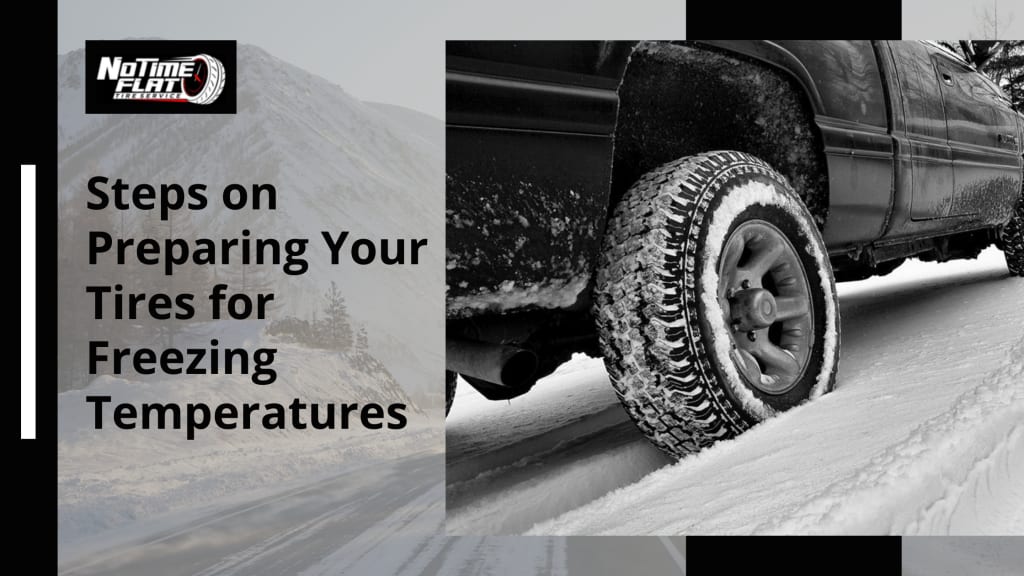
Days are getting colder, so it's time to think about how the chilly weather can impact your tires. As winter rolls in, freezing temperatures can cause issues like lower tire pressure and less traction on icy roads. To keep your vehicle safe as well as running smoothly, it's essential to prepare your tires now. Quality winter tires can make a huge difference in keeping you safe and secure while driving in harsh conditions.
Even though summer is just ending, starting early allows you to manage any concerns related to tire services before the snow arrives. Knowing the effects of cold weather on your tires will better equip you to face winter's challenges. Keep reading this blog post to find out how to prepare your tires for winter and its freezing temperatures and ensure you're ready for whatever the season brings!
1. Conduct a Thorough Tire Inspection
Start by giving your tires a good visual inspection. Most tire wear happens on the surface, so you can quickly spot issues. Look for adequate tread depth and check for any cracks or debris. To measure tread depth, use the penny test—a simple and effective way to see if your tires are safe to drive on. For any large debris, you can usually remove it by hand or with a flathead screwdriver, but be careful not to damage your tires with sharp tools.
If you see nails or screws lodged in your tires, it's best to seek help from a tire repair professional who can patch them up properly. Cracks can be tricky to find, especially if they follow the tread grooves. If you spot minor cracks, keep an eye on them throughout the winter, but they may not require immediate action. Move your vehicle around during the inspection to check the underside of your tires, too!
2. Replace Tires When Necessary
If you catch any serious issues with your tires that could affect their performance, it may be time for tire replacement. Tire problems should never be ignored, as they can cause dangerous driving conditions, especially in winter. Even if your tread depth seems fine or your cracks look small, it's wise to consider new tires before winter arrives.
Tires with low treads can make brake and maneuver your vehicle hard, particularly on wet or snowy roads. A visual inspection revealing low tread means you should definitely look into replacing your tires. Purchasing new tires has become much easier, thanks to modern conveniences and available options.
3. Think About Investing in Winter Tires
Even if your current tires seem fine, a new set specifically designed for winter might be worth considering. Thanks to their unique tread patterns and rubber compounds, Winter tires provide improved grip and stability in snowy and icy conditions. Some even feature metal studs for extra traction. While these features may seem excessive based on your local weather, they can improve your safety on the road.
Switching to winter tires each season keeps you safer and extends the life of your regular tires by giving them a break during the winter months. If buying winter tires isn't in your budget, consider investing in tire chains, especially if you live in snowy areas or on hilly roads. You can put them on only when the weather calls for it, but purchasing them beforehand ensures you're well prepared for whatever winter throws your way!
4. Inflate Your Tires for Winter Readiness
As the temperatures drop, checking and refilling the air in your tires is important. Cold air can cause tire pressure to decrease, leading to underinflated tires. Fortunately, this is an easy fix! Most gas stations have air pumps that can help you refill your tires. Many of these machines even display the current PSI (pounds per square inch) of your tires so that you won’t need a separate gauge.
Check the recommended PSI inside your driver’s side door and fill your tires until the machine indicates they’re at the right level. If you notice the low tire pressure light on your dashboard during the first chilly morning, worry not—just add some air! Keeping your tires properly inflated helps improve fuel efficiency, reduces tire wear, and keeps your vehicle running smoothly.
5. Schedule a Tire Rotation for Better Performance
Another important step to take before winter hits is to schedule a tire rotation service. Most vehicles are front-wheel drive, which means the front tires wear out faster than the rear ones. Rotating your tires helps ensure even wear, providing better traction on slippery roads. While you can’t easily do this yourself, many mechanics offer tire rotation services, often bundled with oil changes for a small fee.
If you’re not due for an oil change soon, set up a separate appointment for the rotation. By taking care of this service before winter, you’ll help keep your vehicle safe and ready for whatever the season brings.
6. Store Your Tires the Right Way
If you have a set of summer or all-season tires and live in an area with harsh winter conditions, proper storage is key. When not in use, store your tires in a cool and dry place away from direct sunlight. Sunlight and extreme temperatures can cause tires to age prematurely and affect their performance.
Before storing them, ensure they are clean and dry—remove any dirt, mud, or salt that could lead to deterioration. Using tire storage services can help protect them from environmental damage. By storing your tires correctly, you’ll make sure they’re in great shape when it’s time to switch back to them in the warmer months!
7. Take Measures for Winter Driving Safety
To stay secure while driving in winter conditions, there are several important steps you can take beyond just preparing your tires. Keep an emergency kit in your car that includes essentials like a blanket, flashlight, jumper cables, and an ice scraper. Maintaining a safe distance from other vehicles is important, as it takes longer to stop on icy roads.
Regularly checking your brakes, battery, and other key parts of your car will help ensure everything is in good shape for winter driving. Taking these precautions makes you feel more confident and secure on the road during the colder months.
8. Invest in Quality Winter Tires
Investing in the best tire for winter can be a smart choice if you live in an area with harsh winter weather. Winter tires are specially designed with treads that grip snow and slush, helping you maintain control on slippery roads. The rubber used in winter tires stays soft and flexible even in freezing temperatures, which improves traction.
While drivers in milder climates may not need winter tires, they can be beneficial if you plan to travel to regions with more severe weather or if your job requires you to drive in snowy conditions. Just remember, winter tires should only be used during the colder months, as they can wear out quickly in warmer weather. An online tire shop can help you switch back to regular tires when spring arrives, ensuring your winter tires are ready for next year!
Get your Tires Winter-Ready with Expert Tire Services!
As winter approaches, it's important to make sure your tires are up for the challenge. By checking your tire pressure, inspecting tread depth, and considering winter tires, tire service at your location can improve your safety and driving experience when the roads get icy.
Remember, good tires are the backbone of a safe journey, no matter the season. When you're ready to prepare your tires for winter, head over to No Time Flat. They offer complete tire services, including patching, rotation, alignment, and winter tire installation. With a friendly and professional team at a tire repair shop, you can trust that your tires will be in great hands at reasonable prices. Don’t wait—give your vehicle the care it needs for a smooth and safe winter ride!
About the Creator
No Time Flat
Top-notch tire services and quality tires at No Time Flat in Jenison, MI. Whether you need tire installations, repairs, or maintenance, we've got you covered.
Keep reading
More stories from No Time Flat and writers in Wheel and other communities.
Save Money with Simple Tire Maintenance Tips
Tires are important to your vehicle, serving as the only contact between you and the road. They play an important role in ensuring your safety, vehicle performance, and overall driving experience. Proper tire maintenance keeps you safe and helps you save money in the long run.
By No Time Flatabout a year ago in Wheel
The Real Cost of Owning a Car in 2026 — What Most Drivers Don’t Expect
Owning a car has long been seen as a symbol of convenience and independence. For many people, it is simply part of daily life. You buy a car, pay for fuel, and drive where you need to go. However, as we move into 2026, the true cost of owning a car is becoming more complex than many drivers expect. While the purchase price often gets the most attention, it is usually the ongoing and less obvious expenses that slowly influence your finances year after year. Understanding these costs can help drivers make smarter decisions and avoid financial surprises.
By Austin Peck6 days ago in Wheel



Comments
There are no comments for this story
Be the first to respond and start the conversation.