
The Shift from V6 to Turbocharged Four-Cylinder Engines: What’s Behind It?
And why does everyone using it these days


I think car enthusiasts have felt this shift for a while now—over the past few years, it seems like we’re getting fewer and fewer big-engine options. A lot of muscle cars and high-performance models that used to come with V8s are now being downgraded to V6s. In some cases, there’s even an option for a turbocharged inline-4. Sure, those smaller engines might deliver decent power, but they don’t have the same feel or character as a big V8. So what’s behind all these changes?
Well, smaller engines are more fuel-efficient—no surprise there. And these days, you don’t necessarily need a huge engine to get solid performance. Thanks to modern tech, smaller engines can still pump out a lot of power. Plus, with stricter emissions standards and environmental concerns, carmakers are under pressure to make engines that are cleaner and more efficient. Smaller engines produce fewer emissions and are generally better for the environment, which is a big deal nowadays.
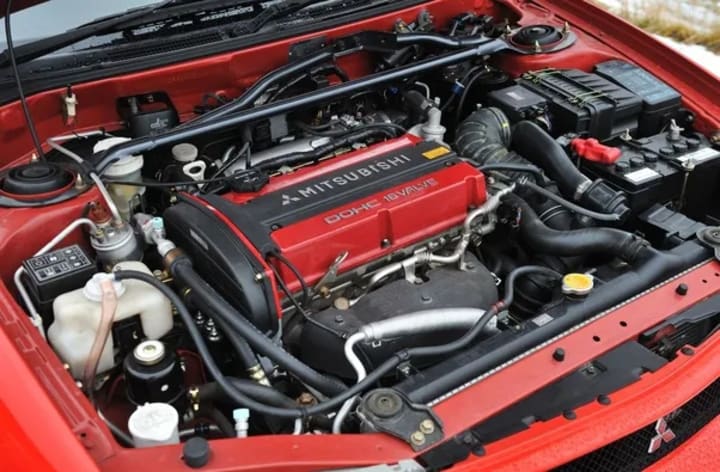
A simple example is the 4G63T engine. I mean, stock for stock, this 2.0L inline-4 turbo can push out around 280 PS, which is more than a typical 3.0L V6 naturally aspirated engine—and it’s more fuel-efficient too, since it has fewer cylinders. Sure, it needs better quality fuel, but because it has fewer cylinders, it ends up being more economical overall. That’s basically what modern manufacturers are chasing now, and it’s becoming the standard—especially as hybrids take over.
Hybrids usually pair smaller engines with electric motors, and together they can make about the same power as big NA engines. Yeah, the driving feel is different, but at least the setup is efficient and better for the environment.
These days, it’s like manufacturers are “not allowed” to build inefficient engines anymore—especially if emissions are high. So now, smaller engines are the norm. Just look around: tons of cars are being “downsized” with small turbo engines, and it makes sense. Why run a big engine when a smaller one gives you the same power? Especially with all the pressure to be more eco-friendly, it’s obvious we’re expected to use cleaner, more efficient setups.
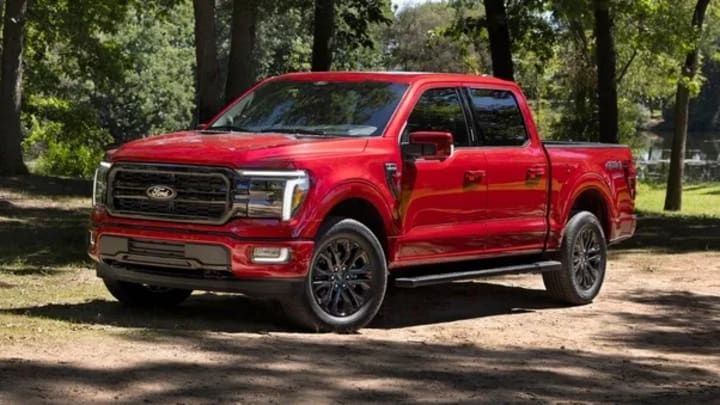
But this kind of thing is still going to happen because manufacturers are always expected to innovate and make engines that are more economical. I mean, just look at the Ford F-150—it doesn’t come with a V8 in the base trim anymore because the turbocharged V6 makes just as much power as the old V8s. For people who still want a big engine, the option's still there, like the 5.0L V8 that cranks out 400 horsepower. A few decades ago, you'd need a much bigger engine to get that kind of power, but now you don’t. The downside is that you lose the feeling of having a big, high-displacement engine—but honestly, most people probably won’t miss it for long.
Basically, because of emissions rules and tech advances, car companies have to make more fuel-efficient cars. One way to do that is by shrinking the engine size and using fewer cylinders so it burns less gas. To make up for the smaller size, they throw on turbos or other tech to squeeze out more power. It’s pretty straightforward: smaller engines are getting more popular because they’re cheaper to run and better for the environment—and that’s what a lot of automakers are aiming for now.
Sadly, we’re only going to see more of this in the future, especially as the push to lower our carbon footprint keeps growing. That, or we’re all going to end up driving EVs.
Is that just the way things are going? You decide. But one thing’s for sure—it’s not something we can avoid: internal combustion engines are getting smaller, more advanced, and more powerful. This shift is happening across the board, especially with the rise of hybrid technology. Modern cars will have smaller engines, but they’ll pack more punch. And honestly, that’s not a bad thing—even if it means we won’t be hearing the roar of big V8s in everyday cars anymore.
About the Creator
Pinesthi Mukti Rizky Wibowo
Hi, my name is Eky and here I will write about automotive and other things, most of the writing will be taken from my personal Quora or Medium account. Most of my writing is curated from my Quora account which I have more than 4,000 answers
Keep reading
More stories from Pinesthi Mukti Rizky Wibowo and writers in Wheel and other communities.
What Happened to GM? The Surprising Reasons for the Auto Giant’s Demise
I got the idea to write this because I noticed that General Motors just isn’t as big as it used to be. A few decades ago, they practically dominated the market—especially in the 1950s and ’60s—when most cars in the world came from the U.S. Sure, there were other companies around, especially from Japan, but they weren’t major players yet. Then by the 2000s, GM seemed to be on the decline. So what happened?
By Pinesthi Mukti Rizky Wibowo9 months ago in Wheel
7 Cars You Should Never Buy Used in 2026
Buying a used car can be a smart way to save money, but not every vehicle holds up well over time. Some cars develop recurring mechanical issues, others come with expensive repair costs, and a few simply do not age gracefully. As we move into 2026, certain models and categories stand out as risky purchases in the used market. This article is not meant to criticize brands or owners, but to help buyers make informed decisions based on long-term reliability trends, ownership costs, and common complaints. Understanding which used cars to avoid can protect your budget and reduce stress after purchase.
By Austin Peck5 days ago in Wheel
Rego Hacks That Save Hundreds in 2026
Vehicle registration is one of those unavoidable expenses that many drivers accept without question, yet a closer look often reveals opportunities to save real money. As 2026 approaches, changes in transport policies, vehicle classifications, and digital systems mean drivers who stay informed can reduce rego costs legally and with minimal effort. Whether you own a daily commuter, a secondary car, or an aging vehicle you barely use, understanding how registration works can help you avoid paying more than necessary.
By Austin Peck5 days ago in Wheel


Comments
There are no comments for this story
Be the first to respond and start the conversation.