
How Wheel Size Affects Car Handling, Fuel Efficiency, and Comfort
How Wheel Size Impacts Handling, Fuel Economy, and Comfort

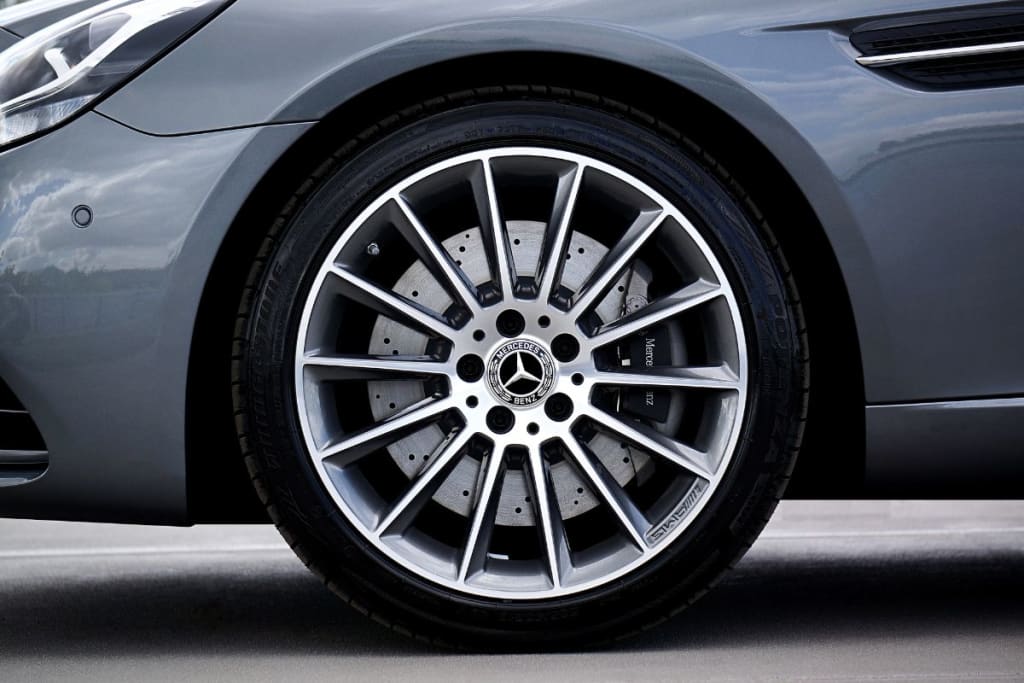
When choosing or evaluating a vehicle, wheels may seem like a cosmetic detail — but in reality, wheel size profoundly affects how a car drives, uses fuel, and delivers comfort. From compact hatchbacks to performance SUVs and electric vehicles (EVs), manufacturers and drivers alike must balance the pros and cons of small versus large wheels. Understanding these trade-offs helps buyers make smarter decisions and engineers optimize vehicle design.
This article breaks down the effects of wheel size on three core areas: handling, fuel efficiency, and ride comfort — with the latest perspectives from automotive engineering.
1. Wheel Size Defined: Diameter, Width, and Tire Sidewall
Before exploring impacts, it’s important to define what “wheel size” means:
- Wheel diameter — measured in inches (e.g., 16", 18", 20").
- Wheel width — impacts tire contact patch.
- Tire sidewall height — taller sidewalls on smaller wheels versus shorter on larger ones.
When people say “bigger wheels,” they usually mean larger diameter with lower-profile (shorter) tires. This is a common trend in modern vehicles, especially SUVs and performance cars, where 19–21″ wheels are now typical.
2. Car Handling: Traction, Cornering, and Steering Feel
a. Larger Wheels — Better Grip and Sharper Response
One of the biggest benefits of larger diameter wheels with wider tires is improved handling:
Greater contact patch — wider tires can offer more grip, aiding acceleration traction and cornering performance.
Stiffer sidewalls — low-profile tires flex less, which delivers crisper steering and quicker responses during dynamic driving.
Reduced tire distortion — especially beneficial under hard cornering.
For performance-oriented vehicles, these qualities are valuable. Sports cars and high-end SUVs increasingly come with 19″ or 20″ wheels for this reason.
b. Downsides: Bump Sensitivity
However, larger wheels with shorter sidewalls transmit more road input to the suspension and cabin. Instead of the tire absorbing small irregularities, the suspension must do more work — which can result in a choppier ride.
c. Smaller Wheels — More Forgiving Handling
Smaller wheels with taller sidewalls behave differently:
More sidewall cushioning — allows the tire to absorb bumps and surface irregularities, smoothing ride quality.
Slower steering feel — more sidewall flex can make steering feel less direct.
This isn’t always negative; many daily-driven cars and family sedans prioritize comfort over razor-sharp handling, and smaller wheels help achieve that.
3. Fuel Efficiency: Rolling Resistance and Weight
Wheel size also influences fuel economy — whether the car runs on gasoline, diesel, or electricity.
a. Heavier Wheels Reduce Efficiency
Larger wheels usually weigh more than smaller ones. Even when made from lightweight alloys, bigger wheels and wider tires add rotational mass — mass that the vehicle must constantly accelerate and decelerate.
More energy to spin heavier wheels means higher fuel consumption or increased battery draw.
This effect is especially noticeable in stop-and-go traffic or city driving.
b. Larger Tires, More Rolling Resistance
Wider tires increase the contact patch, which improves grip but also increases rolling resistance — the force resisting tire motion. More resistance means the engine or electric motor works harder, lowering overall efficiency.
c. Final Drive and Effective Gear Ratios
Wheel diameter also affects the car’s effective gearing. Larger wheels travel farther per rotation, which can make the vehicle behave as though it’s in a taller gear. This can:
Reduce engine RPM at cruising speeds, potentially saving fuel.
But if mismatched with engine torque characteristics, it can also reduce efficiency.
Modern cars often adjust electronically for this, but it remains a factor in real-world performance.
4. Comfort: Ride Quality and Noise
Comfort relates to both physical ride quality and subjective sensations like noise and vibration.
a. Taller Sidewalls = More Cushion
Smaller wheels with taller tire sidewalls usually provide a softer ride. The tire sidewall acts like a secondary suspension:
Absorbing potholes and rough pavement better.
Reducing vibration transferred to the cabin.
This is why many comfort-oriented cars, luxury sedans, and some EVs stick with moderately sized wheels.
b. Larger Wheels Often Mean Firmer Ride
Conversely, large wheels with low-profile tires offer less sidewall cushioning. On smooth roads the difference might be subtle, but:
On uneven or rough surfaces, occupants feel more impact.
Harshness and vibration can increase.
c. Road Noise Considerations
Tire tread patterns and sidewall height influence road noise:
Lower-profile tires on large wheels can transmit more noise.
Taller, narrower tires may reduce road noise at cruising speeds.
5. Safety, Performance Tires, and Seasonal Considerations
Wheel size also intersects with tire choice and safety:
Performance tires often come in larger sizes with stiffer construction. They offer grip in dry conditions but may perform worse in wet/snow.
Smaller wheel setups can make it easier and cheaper to fit all-season or winter tires, which usually come in narrower sizes.
This can have safety implications in adverse weather, especially in regions with snow and ice.
6. Real-World Trends and Recommendations
In recent years, vehicle designers have trended toward larger wheels for aesthetics and perceived performance. However, many engineers and reviewers emphasize that bigger isn’t always better:
Ultra-large wheels (22″+) may look sporty but often compromise comfort and efficiency significantly.
Mid-size wheels (17–19″) strike a balanced compromise for many vehicles.
For everyday drivers focused on comfort and economy, modest wheel sizes with tall sidewalls remain a smart choice. Enthusiasts looking for performance may value larger wheels, but should understand the trade-offs in ride quality and fuel use.
Conclusion
Wheel size has a tangible impact on how a car handles, how much fuel it uses, and how comfortable the ride is. While larger wheels can improve steering precision and grip, they often do so at the expense of comfort and efficiency. Smaller wheels with taller tires tend to absorb road imperfections better and consume less energy, but may not deliver the sharpest handling.
Modern automotive engineering attempts to optimize this balance — and understanding these dynamics helps drivers make choices that align with their priorities, whether that’s spirited driving, daily comfort, or fuel-efficient commuting.
About the Creator
Stories Today
Stories Today is a place where real people share real stories, and that’s it. We believe every person has an incredible story to tell.
Visit us:https://storiestoday.co.uk/
Keep reading
More stories from Stories Today and writers in Wheel and other communities.
Top Interview Mistakes Candidates Make (and How to Avoid Them)
A job interview is more than a test of your qualifications—it’s a chance to show how you think, communicate, and fit into a company’s culture. Yet even highly skilled candidates often lose opportunities because of avoidable interview mistakes. The good news? Most of these errors are easy to fix once you’re aware of them.
By Stories Today3 days ago in Interview
Toyota Guide Mobi: 200kg Robot Solves Rural Delivery Crisis
Japan stands four years away from a logistics disaster. By 2030, 34% of cargo demand will have no drivers to move it. That number lands harder when you realize Japan already faces a shortage of 240,000 truck drivers by 2027. The clock started ticking April 2024 when new overtime regulations took effect.
By Panorica Pan7 days ago in Wheel
How to Winterize Your ATV: Axle Inspection & Replacement
As cold weather hits, it’s time to start thinking about preparing your ATV for the winter months ahead. Properly preparing your equipment will ensure you’re ready to ride by the time spring rolls around and prevent potentially costly damage that could occur. The following tips will help you get your ATV or UTV fully winterized and prepared to ride out the weeks ahead.
By Jordan McDowellabout 23 hours ago in Wheel
Lately, I'm empty
Lately, I feel an emptiness inside of me that doesn’t make any sense. I was fine a week ago and now I’m numb to the pain that I’ve been carrying around. Numb to the idea of me existing. I wish I could go to a place where I can hear happy positive thoughts and surround myself with joy. The medication I’m on doesn’t seem to work anymore. I still feel pain from existing, why am I here anyways? Merely to exist. I don’t feel like I’m making any differences being here.
By Cerina Galvan3 days ago in Confessions




Comments
There are no comments for this story
Be the first to respond and start the conversation.