
How to Verify a Used Car’s Ownership History in the UAE
Buying a used car in the UAE can be a wise decision, but it also comes with risks, especially if it has no record of ownership.

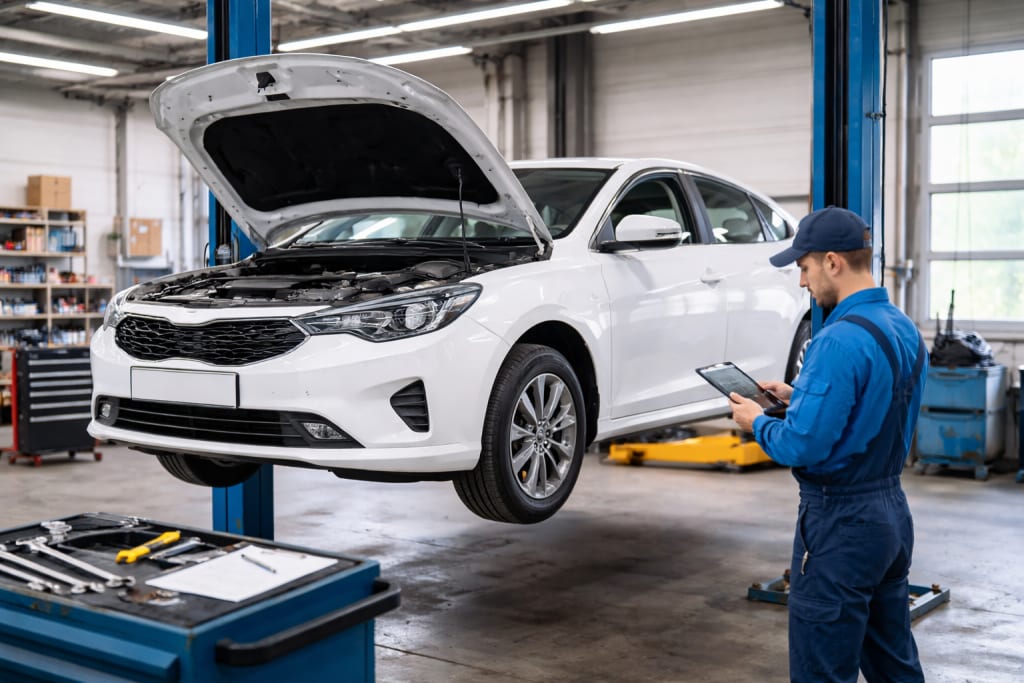
On the surface, a good car looks good, but hidden flaws in the vehicles’ history can make a complicated legal case, an insurance problem, or unexpected costs later.
The key to a good used car’s purchase is to know its history of ownership. Fortunately, the UAE has several formal and reliable ways to do so.
This guide explains how to check a vehicle’s ownership history in the UAE, what it means and what red flags to look out for.
Why Ownership History Matters When Buying a Used Car
The history of ownership of a vehicle does not reflect how many people had owned it. It can help to determine the use, maintenance, and movement of the car over time.
A check on ownership history helps:
- Confirm the seller is the legal owner.
- Identify frequent ownership changes that can point to hidden problems.
- Avoid cars with unpaid loans or dispute.
- To help the registration and insurance transfer.
- Protect yourself against the fraud or fraudulent resale.
In short, ownership history verification minimizes risk and gives you confidence before making a major purchase.
Start With the Vehicle Registration Card (Mulkiya)
The first and easiest process is to inspect the vehicle’s registration card, or Mulkiya.
The Mulkiya is a must-read, including: Current registered owner’s name. Vehicle plate number. Chassis or VIN number. Registration expires 30 days before registration.
Ask for the original card, not a copy. Make sure the seller’s Emirates ID matches the name on the Mulkiya. If they are not, ask for an explanation and supporting documents.
If the seller is acting for someone else, be careful and contact the authorities for permission.
Use the UAE Ministry of Interior (MOI) Portal
The Ministry of Interior is one of the most reliable sources of verifying the identification of vehicles in the UAE.
You can: Visit the MOI website or mobile app: Check your vehicle registration details. Verify that the car is not registered at this time. If so, identify whether it has been transferred before.
Generally, you will need the plate number or VIN to get the information you need. While the ownership names may not always be readily identifiable by privacy laws, inconsistencies or missing records could signal an increase in concern.
Check With the Roads and Transport Authority (RTA) in Dubai
If the car is registered in Dubai, there is also the RTA.
RTA services enable buyers: Check for registration status. Verify that there is any fines standing on the vehicle. Check if the car is transferable.
You can sign up for RTA online services, applications, or visit an RTA customer happiness center. A vehicle with pending fines or a blocked transfer can be a sign of ownership issues.
Verify Loan or Mortgage Status
The most important test for the ownership history is whether the car is on bank loan or not.
A loan on a car cannot be transferred legally until the loan has been cleared. Even the sellers are equivalent, but unpaid financing can pose serious problems after purchase.
This can be verified: Asking the bank for a loan clearance certificate. Checking transfer eligibility via MOI or RTA systems. Car status at transfer of ownership.
Never accept verbal assurances; always ask for official evidence.
Review Previous Ownership Transfers
Not all platforms have full ownership history, but quick and frequent transfer can be a problem.
Some ownership changes may imply: Mechanical or accident-related problems. Attempts to sell a defective car quickly for a profit. The use is within commercial fleets or rental services.
If the seller doesn’t explain how it came to be or gives vague explanations, it may be time to delve deeper or revisit the purchase.
Cross-Check With Accident and Insurance Records
Plus, ownership history is closely linked to accident and insurance records.
Also before buying:
- MOI tools are used to check for car accident history of the car.
- Check insurance claim history if available.
- Ask if the car has been insured under comprehensive or third-party coverage previously.
- A car with multiple insurance claims or serious accidents can go out of hands frequently, even if those details aren’t immediately recorded in the ownership history.
Conduct a Professional Vehicle Inspection
While documentation tells the story, professional inspections often reveal mismatches document-to-document.
A trusted inspection can do:
Find signs of tampering or alterations in the VIN.
Reveal structural damage that the seller has not seen.
Confirm the car is in good to excellent condition and whether it has been owned before.
If the seller refuses an independent inspection, it is a warning sign.
Be Cautious With Imported or Recently Registered Vehicles
Imported vehicles or those recently registered in the UAE are advised to be extra cautious.
For such vehicles:
Demand import documents and customs clearance.
Verify the origin country and the import reason.
Check if the vehicle meets UAE requirements.
Besides, inspections and registration are even more important than imported cars in the UAE.
Confirm Transfer Eligibility Before Payment
If the vehicle is a transferable ownership option, make sure that you have the option of having ownership transferred before paying for it.
This means checking:
- There are outstanding fines.
- Status as loan or mortgage:
- Validity of registration.
- Transfer of insurance requirements.
Most ownership disputes involve buyers who rush into payment without filling in checks.
Common Red Flags to Watch Out For
When checking on a vehicle's ownership history, look for these warning signs:
- Seller refuses to show original documents.
- Mismatch between seller and registration card of the same name.
- Pressure to complete the deal immediately mounted.
- Old owners have unclear or inconsistent history of ownership.
- Requests for cash only payment.
- Trust your instincts; if something does not work, it usually does.
Final Thoughts
Purchasing a used car in the UAE is not just a formality; it’s a necessary precondition for legal, financial, and logistical problems in the future.
You can make informed decisions and avoid costly mistakes by checking registration documents, using official government platforms, verifying loan status, and conducting inspections.
Getting some extra checks today will save you from stress and unexpected costs tomorrow.
About the Creator
Sarath Menon
Hi I am Sarath Menon working in Shory one of the leading insurtech company in the UAE, covering insurance latest trend especially in the middle east regions. Covering al type of insurance including Car insurance, Health, Pet and home
Keep reading
More stories from Sarath Menon and writers in Wheel and other communities.
Cross-Emirate Driving: Managing Both Salik and Darb
But what many drivers forget is that to cross between these two major emirates one needs to pay two toll-free routes: Salik in Dubai and Darb in Abu Dhabi. Whether you drive to work, plan a weekend getaway or go on an escape and go somewhere special, knowing how to run both systems is the best way to avoid fines and keep travel costs under control.
By Sarath Menon7 days ago in Wheel
How Wheel Size Affects Car Handling, Fuel Efficiency, and Comfort
When choosing or evaluating a vehicle, wheels may seem like a cosmetic detail — but in reality, wheel size profoundly affects how a car drives, uses fuel, and delivers comfort. From compact hatchbacks to performance SUVs and electric vehicles (EVs), manufacturers and drivers alike must balance the pros and cons of small versus large wheels. Understanding these trade-offs helps buyers make smarter decisions and engineers optimize vehicle design.
By Stories Today2 days ago in Wheel
5 Aftermarket Parts that Most Commonly Cause Fitment Issues in Japanese Cars
Aftermarket parts are a major reason drivers choose Japanese cars. The Japanese Domestic Market (JDM) gives car owners many ways to customize their vehicles, whether it’s to boost performance or enhance visual appeal. Brands like Subaru, Honda, Nissan, Toyota, and Mitsubishi benefit from extensive aftermarket support, providing a range of modification options.
By William Powella day ago in Wheel



Comments
There are no comments for this story
Be the first to respond and start the conversation.