
5 Aftermarket Parts that Most Commonly Cause Fitment Issues in Japanese Cars
How Aftermarket Modifications Can Misalign

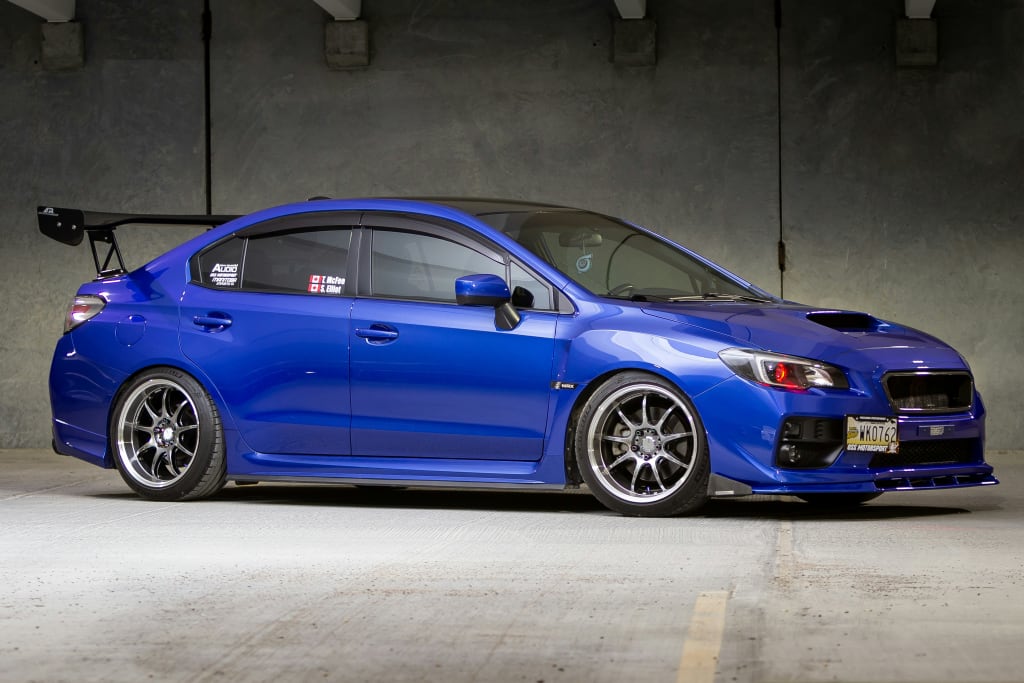
Aftermarket parts are a major reason drivers choose Japanese cars. The Japanese Domestic Market (JDM) gives car owners many ways to customize their vehicles, whether it’s to boost performance or enhance visual appeal. Brands like Subaru, Honda, Nissan, Toyota, and Mitsubishi benefit from extensive aftermarket support, providing a range of modification options.
According to industry research, the global JDM car culture market, which includes parts and customization, is expected to increase from $3.4 billion in 2025 to $6.1 billion in 2033. As vehicle modifications become increasingly widespread, fitment issues have also become a challenge. Knowing which aftermarket parts are most likely to cause issues can help you avoid unnecessary stress while saving time and money.
1. Exhaust Systems
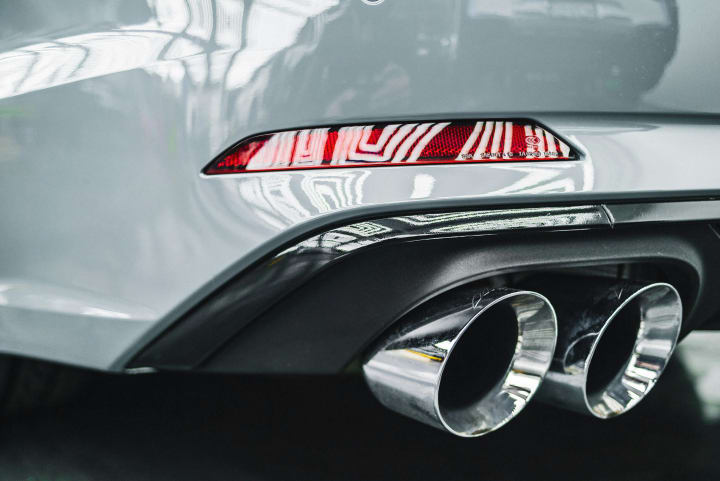
Aftermarket exhaust systems are some of the most popular upgrades for Japanese vehicles, but they can cause fitment issues. On a Subaru WRX, for example, a cat-back exhaust may not sit level in the rear bumper, or it may touch the rear chassis, even if it was made to fit directly. Here are some other common fitment issues:
- Exhaust tips aren’t evenly positioned in the rear bumper holes
- The mid-section of the exhaust sits too close to the chassis
- The flanges on the exhaust don’t match up exactly
- Parts that hold the exhaust hang too low or too tightly
Ways to Reduce Exhaust Fitment Issues
Many exhaust fitment problems can be avoided with careful planning and installation.
- During installation, leave all bolts loose and only tighten them after alignment.
- Use adjustable or polyurethane hangers, as they provide a more durable way to keep the exhaust properly aligned than rubber stock hangers.
2. Wheels and Tires
Wheel upgrades enhance a car’s appearance while reducing unsprung weight, improving handling, and providing better brake clearance. However, wrong sizes can cause fitment issues, particularly on symmetrical all-wheel-drive (AWD) vehicles.
On cars like the Subaru STI, wheels that are wider than stock or feature low offsets can cause wear on fender liners or suspension parts. Common fitment issues with aftermarket wheels include:
- Tires rubbing when the car leans or turns
- Wheels getting in the way of the brake calipers
- Incorrect wheel offset or backspacing
How to Prevent Wheel Fitment Problems
Careful preparation and installation can help prevent common issues with aftermarket wheel fitment.
- Assemble in parts rather than as a single unit
- Use protective barriers around hot parts like the exhaust
- Check sensor positioning before final tightening
3. Suspension Upgrades
Although Japanese aftermarket car parts like coilovers and lowering springs can significantly improve handling, they can also have unforeseen fitment issues. Many Japanese performance cars have tight suspension geometry that leaves little margin for error.
For example, if the preload isn’t properly adjusted when installing lowering springs on a Honda Civic Type R, the rear shocks may come into contact with the brake lines or fender liners. As a result, careful adjustment may be needed to prevent rubbing or binding. Here are some more common suspension fitment problems:
- Coilover assemblies come into contact with the wheel arches
- Wrong spring preload from factory settings
- Sounds resulting from misaligned strut mounts
- ABS wiring or brake lines rubbing against parts
Preventing Common Suspension Issues
When upgrading suspension components, clearance and alignment issues can be avoided by proper setup and component compatibility. Here are some ways to prevent issues:
- Before mounting, double-check the preload and damping configurations
- Make sure the top mounts fit the chassis of your car
- To secure lines and wires, use the mounts or sleeves that are provided
4. Body Kits and Aero Parts

Although body kits and aero modifications can significantly alter a vehicle’s look and increase airflow, they are rarely actual bolt-on parts. To account for minor differences between vehicles, even premium kits often need to be trimmed, drilled, or aligned.
Take aftermarket side skirts for a Nissan 370Z, for example. They may need minor reshaping or extra mounting points to sit firmly against the body of the car. This can also help prevent gaps from issues like differences in factory tolerances or previous body repairs. Here are other typical fitment challenges for body kits and aero parts:
- Attachment points that aren’t properly aligned
- Surface fit irregularities
- Parts that sag or tilt after mounting
Preventing Body Kit and Aero Fitment Issues
Installing body kits and aero parts can go more smoothly with careful planning and the right tools.
- Check the fitment of all pieces before drilling
- Install with strong fasteners rather than substandard hardware
- Trimming may need to be done, particularly on fiberglass parts
5. Air Intakes and Piping
Although intake systems may seem simple, they can cause unexpected clearance issues in the engine bays of some Japanese performance cars. Because of the extra piping, intercoolers, and heat shields, turbocharged vehicles are particularly susceptible to these problems.
A Mitsubishi Lancer Evolution X, for example, may require careful adjustment when adding a cold air intake to stop the intake pipe from touching the battery or radiator fan. Sensors that are incorrectly seated can also lead to fitting problems and trigger false engine warnings.
Best Practices for Intake Installation
Careful installation prevents issues with fitment and ensures the intake performs properly without interfering with nearby parts.
- Before tightening hardware, check the piping fitment
- Ensure that sensors are positioned and installed properly
- Adjust heat shields instead of forcing parts into place
Why Fitment Issues Are Common
It’s common to have fitment issues with aftermarket parts for various reasons. In the global market, there can be minor differences in products, such as variations in mounting points and clearances. Even for the same car model, changes made from one year to the next may affect parts like subframes, sensors, and body panels without any clear visual signs.
Summary
When customizing a car, even small modifications can lead to unexpected fitment problems. Knowing which parts are most likely to cause issues and having solutions ready can make installation easier. Approach every upgrade with planning, the right tools, and accuracy, and your modifications will be more likely to perform as intended from the start.
About the Creator
William Powell
William Powell is a writer and educator with a passion for marketing. He enjoys learning about the latest business trends and analyzing how global events impact domestic and international economies.
Keep reading
More stories from William Powell and writers in Wheel and other communities.
Are Tariffs Changing How Americans Buy Auto Parts?
Across the United States, car owners are noticing something different. Repairs cost more. Replacement parts take longer to find. And it’s not just inflation. Tariffs are playing a quiet but powerful role in the bottom line for vehicle repairs and manufacturing.
By William Powell2 months ago in Wheel
Toyota Guide Mobi: 200kg Robot Solves Rural Delivery Crisis
Japan stands four years away from a logistics disaster. By 2030, 34% of cargo demand will have no drivers to move it. That number lands harder when you realize Japan already faces a shortage of 240,000 truck drivers by 2027. The clock started ticking April 2024 when new overtime regulations took effect.
By Panorica Pan7 days ago in Wheel
The Devil's Triangle
The sails ruffled in the breeze as we cruised along. The Sea Breeze was a mid-size catamaran that sailed out of Royal Naval Dockyard in Bermuda. We had booked this trip weeks in advance and were now looking at our Captain, Spike and two boat hands. Paddy and Wilson seemed like nice guys, joking around with the passengers and telling us some stories about Bermuda that only locals would know. Their island accents sounded almost British but they were pleasant to listen to.
By Barbara Gode Wiles3 days ago in Fiction



Comments
There are no comments for this story
Be the first to respond and start the conversation.