
How to Spot Fake Car Spare Parts and Avoid Costly Mistakes
Things to check before buying car spare parts

When it comes to repairing or maintaining your car, using genuine and high-quality spare parts is crucial. Unfortunately, the market is flooded with counterfeit or fake car parts that look like the real deal but can cause serious damage to your vehicle. Fake parts not only compromise your car’s performance but can also put your safety at risk. Here’s a simple guide to help you spot fake car spare parts and avoid costly mistakes.
Why Fake Car Parts Are Dangerous
Fake car parts are often made with substandard materials and poor craftsmanship. They may look similar to genuine parts, but they lack the quality and durability needed to function properly. Using counterfeit parts can lead to:
- Mechanical Failures: Fake parts can break or malfunction, causing your car to stop working unexpectedly.
- Safety Risks: Faulty brakes, airbags, or suspension parts can lead to accidents.
- Voided Warranty: Using fake parts can void your car’s warranty, leaving you to cover repair costs.
- Higher Long-Term Costs: While fake parts may be cheaper upfront, they often need to be replaced sooner, costing you more in the long run.
How to Spot Fake Car Spare Parts
1. Check the Packaging
Genuine car parts come in high-quality packaging with clear branding and logos. Here’s what to look for:
- Spelling Mistakes: Counterfeit parts often have typos or grammatical errors on the packaging.
- Poor Print Quality: Fake packaging may have blurry logos, faded colors, or uneven printing.
- Missing Information: Genuine parts usually include details like part numbers, barcodes, and manufacturer information. If these are missing or unclear, it’s a red flag.
2. Examine the Part Itself
Fake parts often have noticeable flaws when inspected closely:
- Rough Edges or Imperfections: Genuine parts are precisely manufactured, so they should have smooth edges and no visible defects.
- Incorrect Logos or Branding: Compare the part’s logo and branding with images of genuine parts online. Fake parts may have slightly different fonts or designs.
- Lightweight or Flimsy Materials: Counterfeit parts are often made with cheaper materials, making them lighter or less sturdy than genuine ones.
3. Verify the Part Number
Every genuine car part has a unique part number. Here’s how to verify it:
- Cross-Check with the Manufacturer: Look up the part number on the manufacturer’s website or contact their customer service to confirm it’s genuine.
- Check for Consistency: Ensure the part number on the packaging matches the number on the part itself.
4. Buy from Reputable Sellers
One of the easiest ways to avoid fake parts is to purchase from trusted sources or trusted car spare parts dealers:
- Authorized Dealers: Buying from an authorized dealership ensures you’re getting genuine parts.
- Reputable Retailers: Stick to well-known auto parts stores or online retailers with good reviews.
- Avoid Suspiciously Low Prices: If a part is significantly cheaper than usual, it’s likely fake. Genuine parts have a consistent price range.
5. Look for Certifications
Genuine parts often come with certifications or quality marks. For example:
- ISO Certification: Indicates the part meets international quality standards.
- OEM (Original Equipment Manufacturer): Means the part is made by the same company that supplied the original parts for your car.
6. Trust Your Instincts
If something feels off about the part or the seller, trust your gut. It’s better to spend a little more time and money to ensure you’re getting a genuine part than to risk your safety and your car’s performance.
Common Fake Parts to Watch Out For
Some parts are more commonly counterfeited than others. Be extra cautious when buying:
- Brake Pads and Rotors: Fake brake parts can fail when you need them most, leading to accidents.
- Air Filters: Counterfeit air filters may not effectively filter dirt, damaging your engine.
- Oil Filters: Poor-quality oil filters can cause engine oil to become contaminated.
- Spark Plugs: Fake spark plugs can cause engine misfires and reduce performance.
- Body Parts: Fake bumpers, mirrors, or lights may not fit properly or meet safety standards.
What to Do If You Accidentally Buy a Fake Part
If you suspect you’ve purchased a fake part, take these steps:
- Stop Using It: Don’t install the part in your car. Using it could cause damage or safety issues.
- Contact the Seller: Reach out to the seller and explain the issue. Reputable sellers will offer a refund or replacement.
- Report the Seller: If the seller refuses to cooperate, report them to consumer protection agencies or leave a review to warn others.
- Get a Genuine Part: Purchase a replacement from a trusted source to ensure your car stays in good condition.
Tips to Avoid Fake Parts
Here are some additional tips to help you avoid counterfeit car parts:
- Do Your Research: Before buying, research the part and the seller to ensure they’re reputable.
- Ask for Documentation: Genuine parts often come with warranties or certificates of authenticity.
- Inspect Before Buying: If possible, inspect the part in person before purchasing.
- Stick to Brands You Trust: If you’re unsure, choose parts from well-known brands with a good reputation.
Final Thoughts
Spotting fake car spare parts requires attention to detail and a bit of skepticism. By checking the packaging, examining the part, verifying part numbers, and buying from reputable sellers, you can avoid the risks of counterfeit parts. Remember, your car’s performance and your safety depend on using genuine, high-quality parts. Don’t let a cheap deal cost you more in the long run—invest in the real thing and drive with confidence!
About the Creator
Keep reading
More stories from writers in Wheel and other communities.
You Won't Believe How Easy it is to Get 100,000 Miles Between Brake Jobs
Most drivers are destroying their brakes prematurely — and it has nothing to do with speed. As a Master Mechanic for 25 years, I’ve seen every driving style imaginable. And nothing reveals a driver’s habits faster than how often they need brake work.
By Jack Martin3 days ago in Wheel
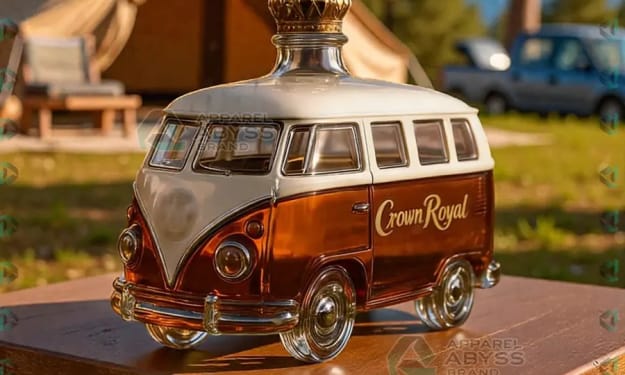
The Volkswagen T1 Camper Van Decanter Whiskey Bottle
Get it on : https://apparelabyssbrand.com/product/volkswagen-t1-camper-van-decanter-whiskey-bottle/ The Ultimate Blend of Nostalgia and Spirits: The Volkswagen T1 Camper Van Whiskey DecanterFor decades, the Volkswagen T1 Camper Van—affectionately known as the "Bus" or the "Bulli"—has been a global symbol of freedom, adventure, and the "Van Life" spirit. Today, that iconic silhouette has found a new home: not on the open road, but on the top shelf of the world’s most stylish home bars. The Volkswagen T1 Camper Van Whiskey Decanter is a stunning piece of functional art that captures the heart of 1960s counter-culture and pours it into a glass of premium bourbon or scotch.A Design That Drives ConversationAt first glance, these decanters are a masterclass in detail.
By gia ton hanh5 days ago in Wheel
Thoughts on Vocal and the way the world is
"Death cannot stop true love, only delay it." – Wesley in The Princess Bride. I decided to come back to Vocal on a very cold and dark night at the end of December. I had been, and still am, convalescing from a horrible staph infection that had gone misdiagnosed for months. This, paired with the increasing challenges of being healthy, making the best choices for my co-parented child, being a wife, and being a director at a new job, was a lot to manage.
By Jazzy 6 days ago in Confessions



Comments
There are no comments for this story
Be the first to respond and start the conversation.