
How to Prepare for Grand Piano Moving in Charleston
Grand Piano Moving
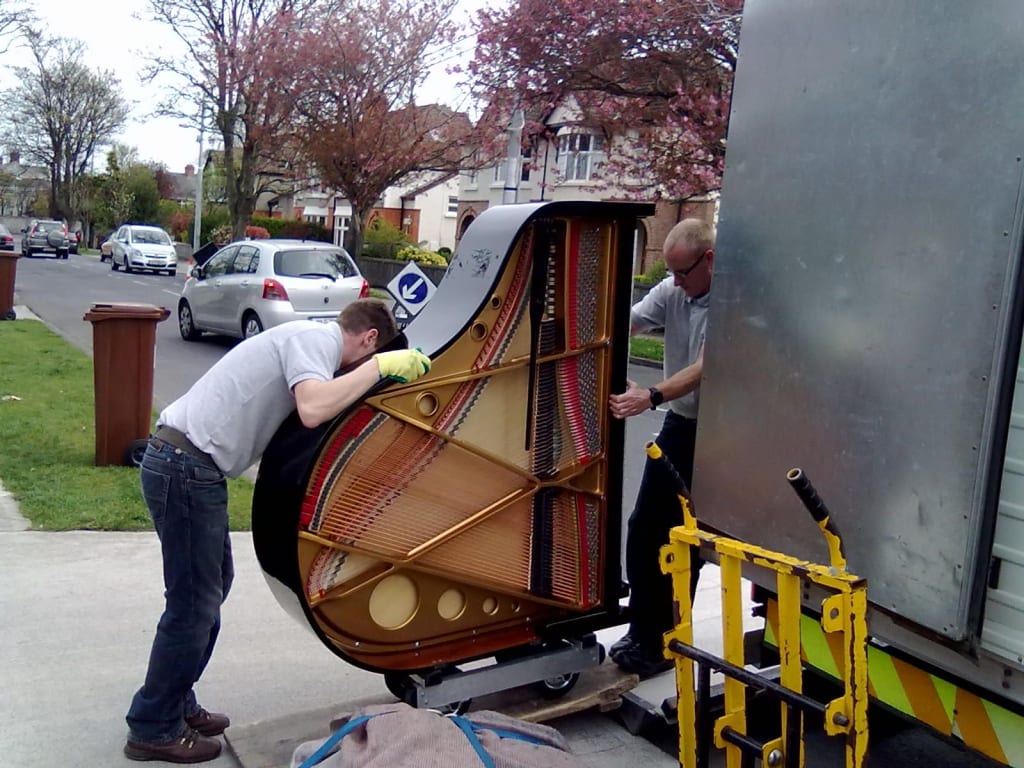
Most people think moving a grand piano is just a matter of muscle and a moving truck. But for someone who owns a piano and has never had to move it before, the process can feel like trying to relocate a baby elephant with antique legs. If you're a first-time mover in Charleston, prepping for grand piano moving isn't just about logistics—it's about protecting an investment, a memory, and in many cases, a centerpiece of the home.
Charleston brings its own set of quirks to the equation. Humidity, tight historic staircases, uneven streets, and sudden rainstorms can all spell disaster for the unprepared. But don't worry—you don't need to be an expert to get this right. You just need to plan smart.
Understand What You're Actually Moving
A grand piano is more than its size. It’s a delicate balance of strings, wood, and metal, often weighing 600 to 1,200 pounds. It has:
- Intricate inner mechanisms with over 10,000 moving parts
- A finish that scratches easily
- A shape that’s long, curved, and awkward to handle
- Legs that can snap under poor support
Think of it less like furniture and more like a rare piece of machinery that happens to make music.
Don’t DIY This One
You can pack your own plates. You can even move a couch with a buddy and a strap. But a grand piano? No. This isn’t a DIY moment.
Hiring specialists in grand piano moving Charleston is non-negotiable. Not just any movers—you want ones with real piano experience. These crews come equipped with the right tools, like piano boards, straps, and protective wraps. More importantly, they know how to:
- Disassemble and reassemble parts like legs and pedals
- Balance the piano during tight turns and staircases
- Protect both the piano and the home from damage
Do a Walkthrough First
Before moving day, do a walkthrough of both your current home and your new one. Look for potential pinch points:
- Are there tight doorways?
- Are stairs narrow or curved?
- Are there steep driveways or gravel paths?
Take photos and measurements. Share them with the moving company ahead of time so they can prepare with ramps or extra equipment if needed.
Weather-Proof Your Plans
Charleston's weather has mood swings. One minute it’s sunny; the next, it’s a downpour. This matters because moisture is public enemy number one for a piano.
Protect your piano by:
- Scheduling the move early in the day, before pop-up storms are common
- Asking movers to bring waterproof covers
- Keeping humidity-controlled environments ready at both ends
A covered truck and swift, protected movement between indoors and outdoors can prevent warping or mildew.
Prep the Piano (and Your House)
Before moving day, take some steps to safeguard your piano and your home:
- Close and lock the keyboard lid to prevent accidental damage
- Wrap the piano in thick moving blankets, secured with tape or straps
- Remove rugs, decor, or obstacles from the path to and from the door
- Secure pets and kids away from the action for everyone’s safety
Some movers may also request that you remove the piano bench or other accessories ahead of time.
Insurance Isn’t Optional
Even with the best team, accidents can happen. Confirm that your piano movers carry specialized insurance that covers high-value musical instruments.
You should also check your homeowner’s policy or get short-term supplemental coverage. If your piano has sentimental value, consider documenting its condition with photos before the move.
Post-Move Care
Once the piano’s in its new home, the job isn’t quite done. Give it time to adjust to the new space. Temperature and humidity shifts can temporarily throw it out of tune.
- Wait 2 to 3 weeks before tuning to let it settle
- Place it away from direct sunlight or vents to protect the finish and interior
- Use a hygrometer to track humidity levels and use a humidifier or dehumidifier if needed
A well-settled piano will sound better and last longer.
Common First-Timer Mistakes (and How to Avoid Them)
Even the most organized new piano movers make some classic mistakes. Here’s what to dodge:
- Underestimating the weight and fragility
- Solution: Always consult pros and never lift without help
- Not measuring doors and hallways
- Solution: Do a full walkthrough with dimensions
- Skipping insurance or assuming it’s covered
- Solution: Double-check your policies and ask questions
- Storing it in the garage "just for now"
- Solution: Move it directly to a climate-controlled room
Charleston-Specific Tips
Moving a grand piano in Charleston has a few local twists:
- Historic homes often have narrow entries and fragile floors. Bring this up early with movers.
- Cobblestone streets require careful truck parking. Check for legal spots near your home.
- High humidity can affect tuning quickly. Keep an eye on indoor levels with a humidistat.
- Busy tourist seasons might cause delays or parking issues. Avoid summer weekends or large event days if you can.
Final Thought
Moving a grand piano might seem like a monumental task—and in some ways, it is. But with the right preparation, a good team, and smart planning, it can be a smooth and safe process.
Charleston’s charm might come with a few logistical headaches, but it’s nothing that can’t be handled. Treat the move with the respect the instrument deserves, and you'll be back to playing music in your new space before you know it.
About the Creator
Keep reading
More stories from thomas oshobo and writers in Wheel and other communities.
How Long Can You Store a Piano Without Playing It?
Pianos are delicate instruments that require proper care, even when they are not being used regularly. Whether you are storing a piano due to a temporary move, lack of space, or personal reasons, it is crucial to understand how long it can sit idle without sustaining damage. The environment, maintenance practices, and overall storage conditions all play significant roles in preserving a piano’s sound and structure. For those looking for secure and climate-controlled solutions, Mountain Piano Moving Company offers professional piano storage Denver services to keep instruments in optimal condition while not in use.
By thomas oshobo9 months ago in Wheel
The Lunar Check-In: Engineering the First Five-Star Stay in the Stars
The silent, silver plains of the Moon—once the exclusive playground of Cold War pioneers and robotic rovers—are about to get a lot more hospitable. We aren’t just talking about research outposts or "survival pods" anymore. We are talking about high-thread-count sheets, panoramic views of the "Earth-rise," and the logistical miracle of hospitality at 1/6th gravity. The dream of the Lunar Hotel is no longer confined to the pages of 1950s pulp fiction; it is currently being drafted on the CAD programs of the world’s most ambitious aerospace firms.
By yusuf selho7 days ago in Wheel
Why Putrajaya Remains One of the World’s Least Known Government Cities
When people think of Malaysia, the bustling skyline of Kuala Lumpur usually comes to mind. The famous Petronas Twin Towers dominate postcards and travel brochures, symbolizing the country’s modern progress. Yet, few outside Southeast Asia realize that Malaysia’s administrative heart is not Kuala Lumpur at all. Instead, the country’s government operates from a quieter, carefully designed city known as Putrajaya.
By Irshad Abbasi a day ago in Wheel




Comments
There are no comments for this story
Be the first to respond and start the conversation.