
How Long Can You Store a Piano Without Playing It?
For those looking for secure and climate-controlled solutions, Mountain Piano Moving Company offers professional piano storage Denver services to keep instruments in optimal condition while not in use.
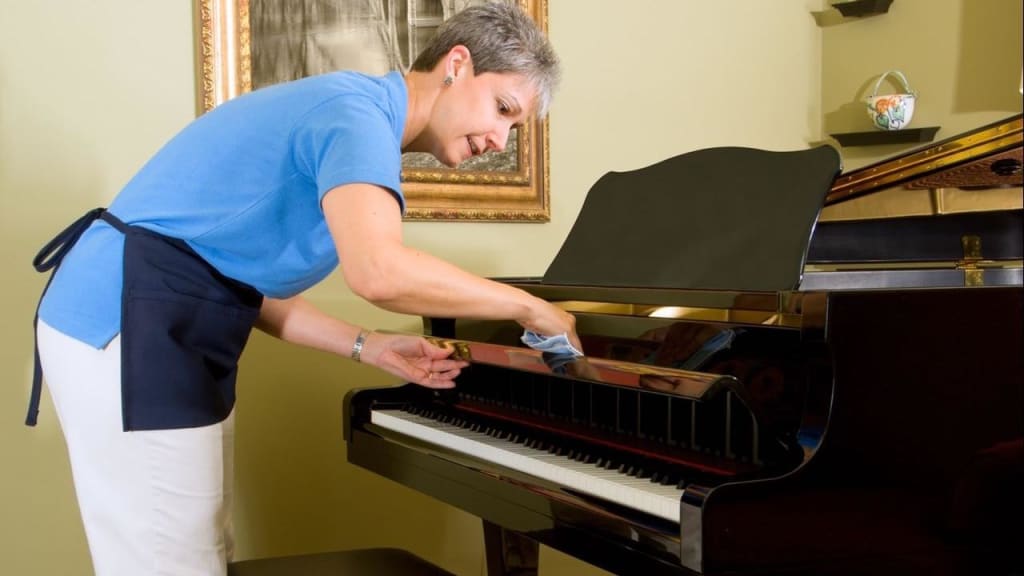
Pianos are delicate instruments that require proper care, even when they are not being used regularly. Whether you are storing a piano due to a temporary move, lack of space, or personal reasons, it is crucial to understand how long it can sit idle without sustaining damage. The environment, maintenance practices, and overall storage conditions all play significant roles in preserving a piano’s sound and structure. For those looking for secure and climate-controlled solutions, Mountain Piano Moving Company offers professional piano storage Denver services to keep instruments in optimal condition while not in use.
Impact on Strings, Soundboard, and Mechanics – What Happens When a Piano Sits Idle
1. Strings
When a piano is left idle, the tension in the strings gradually decreases, which can cause the instrument to go out of tune. In humid environments, rust can form on the strings, damaging both the tone and overall sound quality. Conversely, in dry conditions, the strings may lose flexibility and become brittle, potentially causing them to snap when the piano is eventually played. Regular inspection of the strings is essential, especially in extreme climates, to ensure that they maintain their integrity.
2. Soundboard
The soundboard, which is a crucial component for producing sound, is highly vulnerable to changes in humidity. Fluctuations can lead to the warping or cracking of the wood, severely affecting the piano's resonance and tonal quality. In dry environments, the wood can shrink and crack, while excessive moisture can cause it to swell and warp. Ensuring that the piano is stored in an area with controlled humidity levels is key to protecting the soundboard.
3. Action Mechanism
The action mechanism, responsible for producing sound when keys are pressed, can suffer from a lack of regular use. Without movement, parts like the hammers, dampers, and key bushings can become stiff or sticky. Dust and debris can also accumulate, which may interfere with the movement of these parts. If not addressed, this sluggishness can result in uneven key response and less accurate playability. Regular cleaning and lubrication of these components can prevent these issues from escalating.
Recommended Maintenance Checks – How Often to Inspect, Clean, and Tune a Stored Piano
1. Regular Inspection
Inspecting the piano every few months is essential to identify any signs of damage early on. Look for cracks or warping in the wood, rust on the strings, or changes in the action mechanism. Keeping an eye on potential issues before they become major problems helps preserve the piano’s structural integrity and prevents costly repairs.
2. Cleaning
Dust can accumulate in places where it’s difficult to reach, such as inside the strings and the action mechanism. Regularly cleaning the piano’s exterior with a soft, lint-free cloth will help maintain its appearance. Using a vacuum with a soft nozzle on the interior removes dust from sensitive components like the action and strings, but it’s important to avoid harsh cleaning products that can damage the finish or delicate parts of the piano.
3. Humidity and Temperature Monitoring
A stable environment is essential for protecting a piano from environmental damage. Ideally, the temperature should be kept between 65-75°F, and the humidity level should remain between 40-50%. Both excessive dryness and high humidity can lead to wood cracking, string corrosion, and soundboard warping. Using a dehumidifier or humidifier in storage spaces with fluctuating conditions can help keep the piano within its optimal range.
4. Periodic Tuning
Even though a piano is not being played, it’s still important to have it tuned periodically—at least once or twice a year. This helps maintain the string tension and ensures that the piano stays in tune, preventing drastic pitch shifts that may occur after long periods of disuse. Regular tuning also helps preserve the overall sound quality, ensuring the piano remains ready for use when you need it.
Reintroducing a Stored Piano to Regular Use – Tuning, Regulation, and Gradual Acclimatization
1. Gradual Acclimatization
When a piano is moved from a storage environment to a new space, it’s important to allow it time to adjust to the new temperature and humidity. Rapid changes can lead to swelling or shrinking of the wood and strings, potentially causing damage to the structure. Ideally, the piano should be left to acclimate for a few weeks before regular use to ensure that its components settle and stabilize.
2. Cleaning and Lubrication
Before reintroducing the piano to regular use, perform a thorough cleaning of both its exterior and interior. Dust, dirt, or grease buildup from storage can affect its performance and feel. Lubricating moving parts like the action mechanism can help restore smooth and responsive key action. Checking the pedals, hammers, and dampers for wear and tear is also crucial to ensure everything is functioning as it should.
3. Professional Tuning
After long periods of disuse, a piano will often be far out of tune. A professional tuner should be contacted to adjust the tension of the strings and restore the proper pitch. This process will not only bring the piano back into tune but also help preserve the instrument’s tonal qualities. A skilled technician will also check for any underlying issues with the soundboard or action that may need attention.
Conclusion
Taking the time to properly store and maintain a piano when it’s not in use can extend its lifespan and ensure that it continues to perform at a high standard when brought back into service. Regular inspections, humidity control, and periodic tuning are essential practices that can prevent serious damage. When reintroducing a stored piano to regular use, gradual acclimatization and professional attention from piano movers Denver are key to ensuring its performance and sound quality remain intact. With proper care, a piano can continue to bring joy for many years, even after extended periods of disuse.
About the Creator
Keep reading
More stories from thomas oshobo and writers in Wheel and other communities.
How to Prepare for Grand Piano Moving in Charleston
Most people think moving a grand piano is just a matter of muscle and a moving truck. But for someone who owns a piano and has never had to move it before, the process can feel like trying to relocate a baby elephant with antique legs. If you're a first-time mover in Charleston, prepping for grand piano moving isn't just about logistics—it's about protecting an investment, a memory, and in many cases, a centerpiece of the home.
By thomas oshobo9 months ago in Wheel
A Historic Waterwheel Returns to Family Roots Along the Riverbank
The story of a Historic Waterwheel Returns to Family Roots is more than a tale of wood and water. It is a story of memory, family honor, and deep love for local history. For many years, the old waterwheel stood silent near the bend of a quiet river. Time and storms had worn it down. The wood had faded. The iron had rusted. Yet the spirit of the wheel never faded in the hearts of the family who once built and cared for it.
By Grady Gaston7 days ago in Wheel



Comments
There are no comments for this story
Be the first to respond and start the conversation.