
7 Reasons To Make You Reconsider Buying The Hydrogen-Powered Toyota Mirai
Toyota's hydrogen-powered Mirai sounds promising—until you hear these 7 buzzkill facts keeping it from mainstream success.

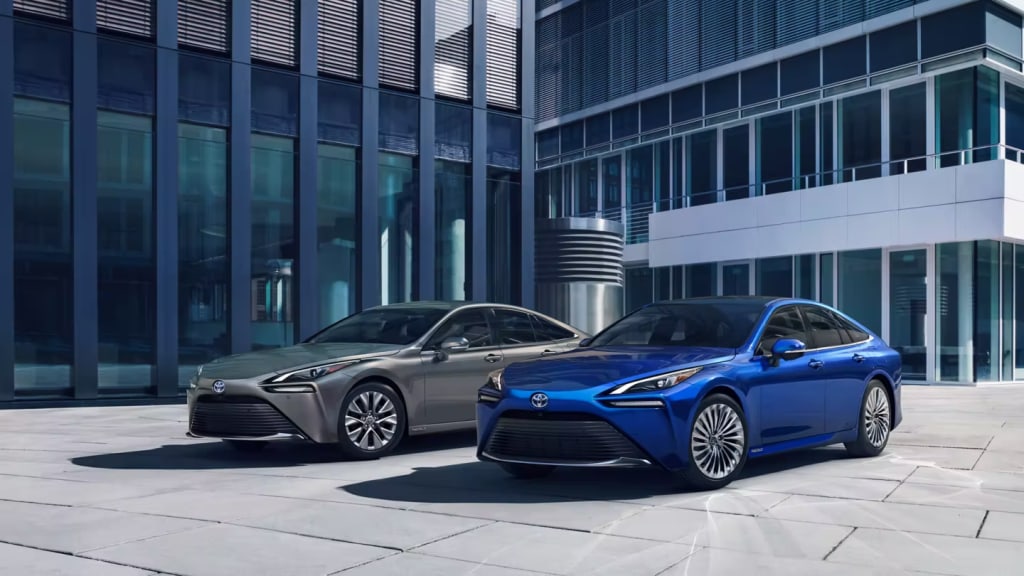
The Toyota Mirai made waves when it was first introduced in 2015 as Toyota's first mass-produced hydrogen fuel cell electric vehicle. With its sleek exterior design and upscale interior, the Mirai offered hope that hydrogen fuel cell technology could succeed in the alternative vehicle market. So far, sales have been underwhelming due to limited hydrogen fueling infrastructure and high pricing. Still, the Mirai continues to showcase the potential of hydrogen power.
While the Mirai demonstrates an intriguing hydrogen-powered alternative to traditional electric vehicles, several drawbacks prevent widespread consumer adoption. You will often hear reviews say the hydrogen-powered Toyota Mirai ‘makes zero sense.’ But why? After all, aren't hydrogen cars much cleaner than gas or electric cars?
Reduced Interior Space Due to Large Hydrogen Tanks
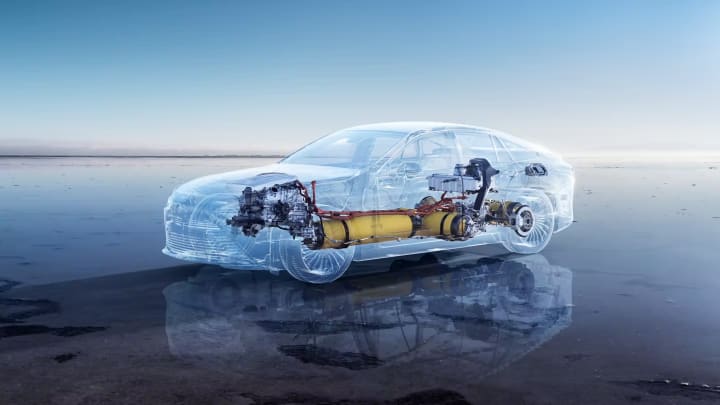
The hydrogen tanks in the Toyota Mirai significantly limit its interior space. The largest hydrogen tank sits under the front seats, occupying a third of the space in the footwell. This leaves little legroom for front passengers and reduces the usability of the front storage compartments.
The second largest tank sits beneath the rear seats, crowding the legroom for backseat passengers. Unlike electric vehicles, which can utilize the empty "fuel tank" space as a front trunk, the Mirai's fuel cell system occupies this area. This leaves the Mirai with limited cargo capacity for its exterior size.
Overall, the Mirai's cramped interior and reduced seating space are a huge drawbacks for a vehicle in its segment. While Toyota designed it to be comparable to the BMW 5 Series, it fails to deliver the same ample passenger and cargo volume.
Underpowered Performance
The Mirai is severely lacking for a midsize luxury sedan in terms of acceleration and power. Its 182 horsepower is far below what competitors in the segment offer, resulting in sluggish performance.
The Mirai goes from 0-60 mph in 9.2 seconds, much slower than electric and gas vehicles in its class. Drivers accustomed to the ample power of electric cars or V6-equipped luxury sedans will be disappointed by the Mirai's lack of thrust off the line and at highway speeds.
The Mirai's reduced performance is a major shortcoming as buyers in the midsize luxury segment expect crisp acceleration, responsive power, and easy merge and pass. The Mirai fails to deliver on these performance expectations, coming across as underpowered and sluggish next to its peers.
Potential Issues With Hydrogen Tank Freezing
One issue with the Mirai's hydrogen tank system is that the tanks can freeze in cold weather, causing refueling problems. Hydrogen is stored in the Mirai's tanks at extremely cold temperatures to remain compressed as a liquid.
In cold temperatures, particularly during refueling, parts of the tank and fuel lines can freeze into a solid state. This makes it impossible to pump hydrogen into the tanks until the system warms up. Owners report waiting 3 to 5 minutes with the heat blasting before the tank system thaws enough to accept fuel.
This freezing issue is inconvenient and can catch drivers by surprise, particularly in regions that experience cold winters. Owners must plan extra time for refueling in cold conditions and risk running low on fuel if the tank system freezes before they can top off the tanks.
Slower Refueling Time Compared to Gas Vehicles
While hydrogen fueling is touted as being comparable to gasoline in terms of refueling speed, the reality is that filling the Mirai's tanks still takes much longer than gas.
Despite claims of 3 to 5-minute refueling, owners report the process often takes closer to 7 to 10 minutes. This is because the pumps need to sense when the tank is full and then reduce hydrogen flow, which can be slow and inconsistent.
While 3 to 5 minutes is still faster than charging an electric vehicle, it is significantly longer than refueling a gasoline car. Drivers used to filling their tanks in just a couple of minutes will find the Mirai's refueling time excessive.
The high refueling time and the limited number of hydrogen stations make the Mirai a poor choice for long road trips. Drivers will have to plan more frequent refueling stops and deal with the inconvenience of the relatively slow pump speeds.
High Upfront Cost Due to Novel Technology
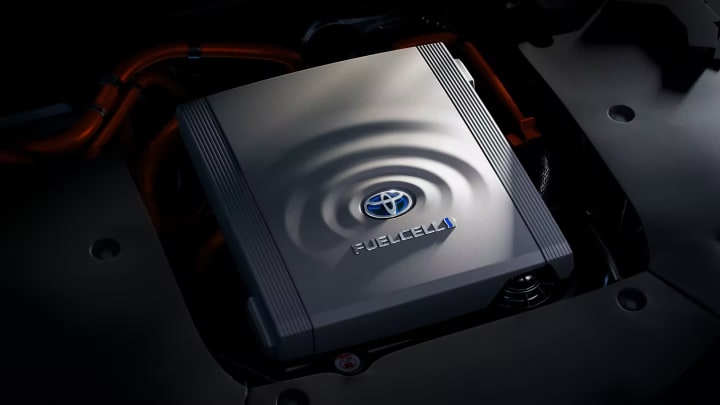
The hydrogen fuel cell powertrain is a new and emerging technology that relies on expensive components like the fuel cells, hydrogen storage tanks, and high-pressure fueling systems. Mass-producing these technologies at an affordable price has yet to be achieved.
Limited availability means automakers can only build and sell a few hydrogen vehicles. This prevents them from realizing significant economies of scale to bring down costs. As a niche technology, hydrogen FCVs will remain expensive for the foreseeable future.
Automakers must recoup the massive R&D investments in hydrogen fuel cell technology development. The high prices of the first generation of FCVs help automakers recover these costs.
Hydrogen fueling infrastructure is expensive to build. Automakers subsidize infrastructure development through the high sale prices of their FCVs.
These factors contribute to the Toyota Mirai carrying a much higher base price tag than internal combustion and electric vehicles of similar size and performance. Until hydrogen technology matures and economies of scale are realized, hydrogen FCVs will remain a premium option.
Scarcity of Hydrogen Refueling Stations
One of the biggest disadvantages of hydrogen fuel cell vehicles is the extremely limited hydrogen refueling infrastructure. Compared to the 150,000 gas stations and 45,000 public EV charging points in the U.S., there are currently only around 50 public hydrogen stations nationwide. Almost all of these stations are concentrated in California.
The dearth of hydrogen fueling locations severely limits the range and practicality of the Toyota Mirai and other hydrogen FCVs. Drivers have little flexibility in refueling and are often "tethered" to the small number of stations in their local area. Taking long road trips outside major metro regions becomes untenable due to the lack of stations en route.
Unless major investments and initiatives expand the hydrogen fueling network to cover major cities and highways across the U.S., hydrogen FCVs will remain impractical choices for most consumers who need the range and refueling convenience of gasoline vehicles.
Emerging Technology With Possible Unknown Issues
While Toyota has been making hydrogen fuel cell vehicles like the Mirai for over a decade, the technology as a whole remains relatively unfamiliar to most consumers. Hydrogen fuel cells are a new and emerging powertrain that the vast majority of drivers have little experience with.
This lack of familiarity breeds uncertainty around key issues such as durability, maintenance needs, resale value, and safety.
How long will hydrogen fuel cells and other components actually last in real-world use? Owners have little data or experience to gauge long-term reliability.
What type of regular maintenance do hydrogen fuel cell vehicles require? How complex and expensive will it be? Carmakers have provided little transparency here.
What will using hydrogen FCVs be worth years down the line? The market for used vehicles is still untested for this new technology.
Drivers are still discovering unique aspects of how hydrogen fuel cell vehicles operate and potentially unconventional behaviors. Issues like tank freezing are unexpected.
Do hydrogen tanks pose any increased risks in crashes? There is little crash or safety data for hydrogen vehicles at scale.
The fundamental unfamiliarity of the technology breeds uncertainty that weighs on consumers' minds. Until hydrogen fuel cell vehicles have been in the wild for much longer and more data is available, many issues and questions around durability, maintenance needs, resale value, and safety will remain unanswered.
About the Creator
Mucheru Kiai
Curious explorer of the world's knowledge. My passion lies in igniting curiosity and sparking new perspectives through engaging and informative content.
Keep reading
More stories from writers in Wheel and other communities.
How, Too”: Understanding the Power of Process and Inclusion in Modern Thinking
At first glance, the phrase “How, Too” looks incomplete, almost confusing. It seems like a fragment pulled from a larger sentence, a pause in thought rather than a conclusion. Yet when examined more closely, “How, Too” captures two of the most important questions shaping modern discourse: how things are done, and who is included as part of that process, too. In an era defined by rapid change, accountability, and demands for inclusion, these two small words carry surprising depth.
By Salaar Jamalia day ago in Wheel
So You Decided To Become a Nurse Practitioner:
So you decided to become an "Advanced Practice" nurse. Congratulations!... is what I would say if this was a good idea. Grad school? In this economy? What were you thinking? Likely it was something along the lines of either 1) “I've seen these other chucklefucks do it— Why can't I?” or even 2) “I've got a nice career, I should shake it up. I miss feeling like I have no clue what I'm doing.”
By Sandor Szabo6 days ago in Fiction


Comments
There are no comments for this story
Be the first to respond and start the conversation.