
Are Tariffs Changing How Americans Buy Auto Parts?
Auto Tariff Effects

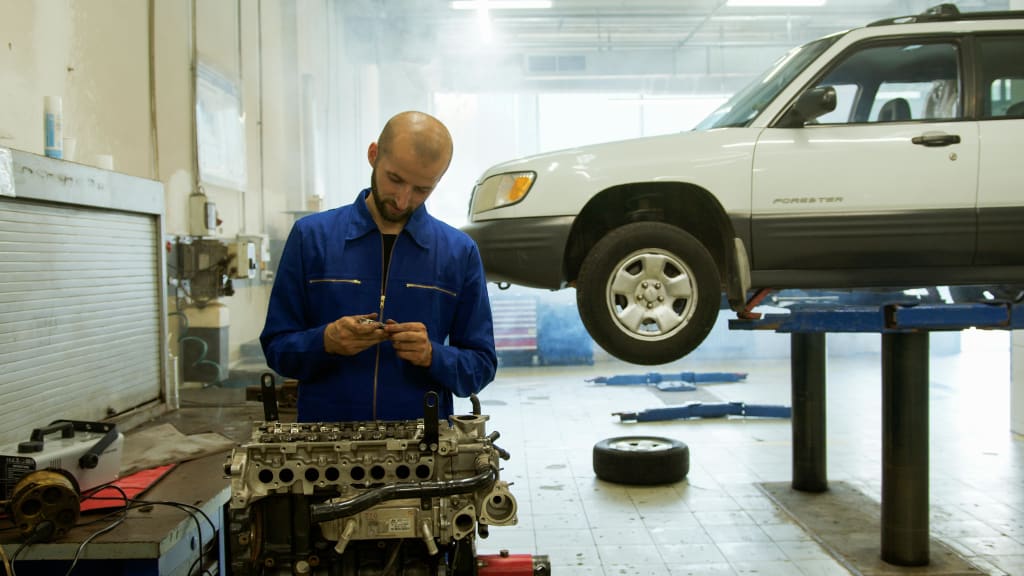
Across the United States, car owners are noticing something different. Repairs cost more. Replacement parts take longer to find. And it’s not just inflation. Tariffs are playing a quiet but powerful role in the bottom line for vehicle repairs and manufacturing.
A Shift Across the Garage Floor
When the government increased import duties on automotive parts in 2025, it set off a chain reaction. Repair shops began raising prices, while more drivers and mechanics started looking for aftermarket auto parts online to cut costs.
What seemed like a trade policy change on paper is now a real conversation in every garage and auto parts store.
The New Rules
Beginning April 2025, imported cars faced a 25 percent tariff, while the same rate applied to imported car parts starting in May 2025. Engines, transmissions, electronics, and just about everything built abroad are affected.
The policy was introduced under Section 232, a law meant to protect national security interests. Officials proclaimed it would help rebuild domestic manufacturing. But for everyday buyers and mechanics, it simply meant higher prices and tighter margins.
The Cost Question
Most retailers were unable to absorb the tariff costs. So, they passed them on.
According to the Automotive Service Association, price jumps began within weeks of the new policy.
And although some companies attempted to use exemptions or trade agreement loopholes, consumers still found themselves paying more for the same oil filter, sensor, or set of brake pads.

The Shift in Buying Habits
Tariffs have changed not just what people buy, but how they buy. Here’s how:
- More buyers are turning to US-made parts.
Domestic brands now attract more attention because they bypass tariff markups.
- Online shopping has surged.
Thanks to the increasing popularity of digital marketplaces, comparison shopping is easier and often cheaper.
- Refurbished and manufactured parts are making a comeback.
Since buying new imported parts now comes at a premium, what used to be considered the second-best option is now a practical choice.
- Shops are buying in bulk.
Some repair businesses have made a point of stocking up ahead of tariff changes to stretch their margins, but this is a temporary measure at best.
For many, it’s not about preference, but about survival in a pricier market. And the learning curve has been steep.
Why Online Platforms Matter
Online parts sellers have become a sort of safety net. Web platforms and sites offering auto parts for various makes and models serve both everyday drivers and small repair shops. They help buyers compare prices, check stock, and explore alternatives that might not be available locally.
But there’s a tradeoff.
Smaller sellers must contend with additional costs, including shipping, customs paperwork, and logistics delays. The key to staying afloat is adapting to uncertain circumstances. This flexibility can mean streamlining sourcing or focusing on specific product lines.
The Numbers Behind the Shift
The impact of tariffs can already be felt; its scope is anticipated by looking at industry data.
- Around 46 percent of light vehicle sales in the US could be directly affected by import tariffs, according to S&P Global.
- The tariffs affect nearly every driver, since no modern vehicle is 100 percent domestic, according to the Center for Strategic and International Studies (CSIS).
- Car part retailers and sellers of other goods anticipate further price increases as they feel the full impact of the tariffs, claims the Financial Times.
Long-Term Hope for Local Shops and Manufacturing
President Trump is considering considerable tariff relief for US auto production, Reuters reports. And while it’s true that these measures, plus continued tariffs on imported parts, might eventually push production back to US soil, that’s not happening overnight.
Right now, what people actually feel is higher repair bills.
The Fallout for Everyday Consumers
Tariffs tend to hit hardest for the people who can least afford them.
Drivers keeping older vehicles on the road now face steep increases for even minor repairs. For someone balancing rent, fuel, and groceries, a $40 jump in price for a part can mean putting off maintenance entirely.
And it’s not just buyers who are taking the hit. Small business owners and large conglomerates are all feeling the effects of the tariffs.
Effects on the Industry
Concerns about slower innovation have been raised by industry experts, as manufacturers hold back on new designs or upgrades due to hesitancy about future tariffs. There’s also the risk of retaliation from trading partners, which could reduce exports of American-made vehicles.
But tariffs aren’t just about money. They’ve become part of a broader discussion about national identity, manufacturing pride, and fairness in trade.
National economic policy becomes increasingly personal when it impacts your daily life and livelihood.
How Buyers and Shops are Adapting
Many consumers and businesses are reacting in practical ways, including:
- Making the most of online auto parts sellers, including e-commerce platforms.
- Comparing local and imported options before every order.
- Checking whether certain parts qualify for tariff exemptions.
- Trying remanufactured parts that meet or exceed Original Equipment Manufacturer (OEM) quality.
- Tracking tariff updates more closely.
- Partnering with suppliers who offer transparency in their sourcing and pricing breakdowns.
While these measures don’t negate the impact of the tariff, they help people stay flexible. And that might matter more than ever.
A Changing Marketplace
Tariffs were meant to strengthen American manufacturing. Whether they do that remains to be seen, but what’s immediately apparent is that they’re reshaping how Americans think about car parts. We’ve started to consider where they come from, what they cost, and how much control buyers really have.
Drivers are learning to be more strategic. Shops are buying smarter. And the industry, for better or worse, is evolving into something leaner and more cautious.
The tariff policy started as a trade move. But it’s now part of everyday life, one purchase order and repair bill at a time.
About the Creator
William Powell
William Powell is a writer and educator with a passion for marketing. He enjoys learning about the latest business trends and analyzing how global events impact domestic and international economies.
Keep reading
More stories from William Powell and writers in Wheel and other communities.
5 Things Every Truck Driver Should Know Before Selling a Semi-Truck
Moving on from a semi-truck can feel bittersweet. Sometimes, however, it’s the right decision. The unique variable in the equation is the why. There are several catalysts for this decision, such as retiring, moving to a new industry, expensive repair bills, or high operating costs.
By William Powell3 months ago in Wheel
5 Best Food Choices at Auto Shows
Attending an auto show is an exciting experience filled with gleaming vehicles, innovative technology, and hours of walking through massive exhibition halls. With so much to see, you need the right fuel to keep your energy levels high. Here are five of the best food choices to enjoy during your next auto show visit.
By Karter Odin2 days ago in Wheel
Self-Driving Cars
If you watched the 2004 Will Smith film ‘I Robot’, you’ll know that a minor plot point is that cars in this future are, by default, self-driving. They can still be driven manually, but this is considered a risky choice which only Smith’s character chooses to do, due to being a fan of such ‘retro’ choices. When his car is wrecked during an attack late in the film, his boss assumes that he crashed due to driving manually (the one time in the film he actually wasn’t). At the time of the film’s release, self-driving cars must have seemed hugely futuristic to help to sell the future setting.
By Joe Morgan2 days ago in Wheel
"Scream 7" (2026): Running out of Fresh Screams
This is the seventh time we’ve had a Ghostface crisis. Scream 7 is the latest edition of the Scream franchise. Sydney Prescott and her family are under attack by another anonymous killer dressed in a Ghostface costume. While having issues with her daughter, Tatum, they run from the bloody murders, trying to determine who is behind it all.
By Marielle Sabbag5 days ago in Horror



Comments
There are no comments for this story
Be the first to respond and start the conversation.