
Yala Peak vs Island Peak: Which Climbing Adventure Is Right for You?
Comparing Two Himalayan Giants for Trekkers and Aspiring Mountaineers.

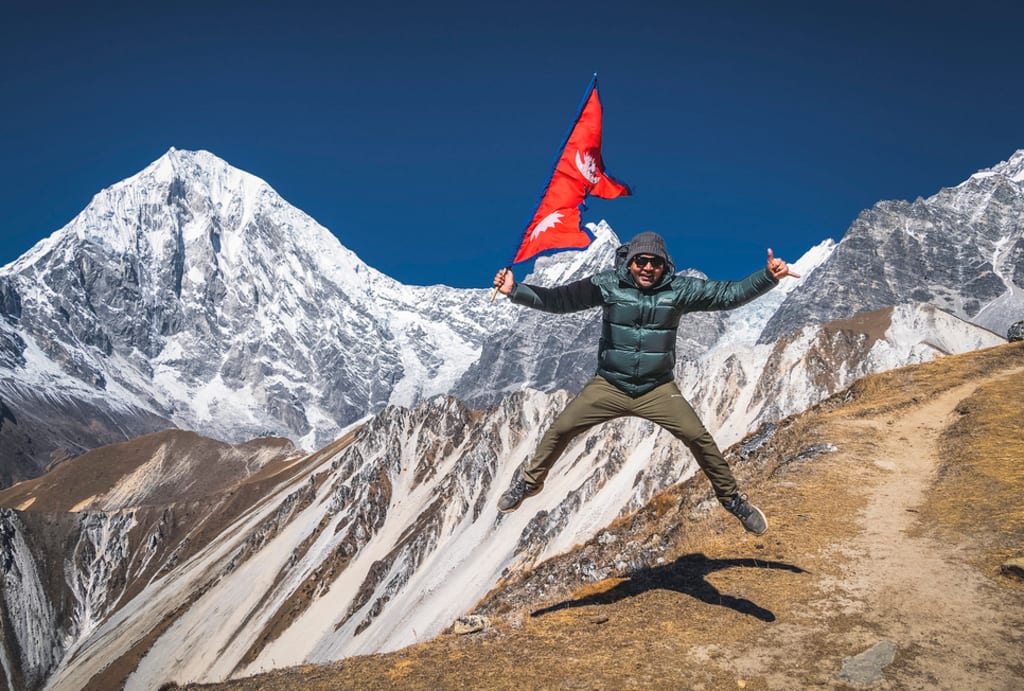
Nepal is a popular destination for trekking because it is located in the heart of the Himalayas. Millions of trekkers arrive in Nepal every year to witness its breathtaking scenery, rich cultural diversity, and beautiful mountain landscapes. The high mountain treks and climbs in Nepal continue to attract trekkers from the popular Everest and Annapurna regions to the more peaceful Langtang region and Kanchenjunga region.
Trekking peaks like Island Peak and Yala Peak have gained huge popularity in recent days. For beginners and experienced climbers, this trek provides a rewarding experience without lengthy expeditions. Yala Peak, situated in the Langtang area, has a moderate difficulty level and is great for trekkers seeking summit climbing at 5,500 meters with a great 360-degree view of the wilderness. While Island Peak in the Everest area requires technical ascent amidst the breathtaking Khumbu scenery.
The guide provides a thorough comparison of Yala Peak climbing and Island Peak climbing, so climbers can successfully evaluate the adventure that best matches their experience, motivations, and expectations. By reviewing the characteristics, challenges, and rewards, trekkers will have enough information to make an informed choice about their Himalayan climbing endeavors. Whether trekkers want a soft introduction to mountaineering or a challenging ascent in the shadow of Everest Island peak Yala Peak provides memorable adventure in the heart of the Himalayas.
Overview of the Peaks
A. Yala Peak
Yala Peak is located in the Langtang region of Nepal north of Kathmandu and near the Tibetan border at an elevation of 5,732 meters. It is categorized as a non-technical trekking peak by the Nepal Mountaineering Association, making it a perfect option for first-time Himalayan climbers or those wanting a less technical outing.
The trek starts at either Syabrubesi or Dhunche while the climb to the summit begins at Yala Kharka where the trekking trails pass through the stunning Langtang National Park. This trek provides a chance to enjoy the views of surrounding peaks including Shishapangma, Langtang Lirung, and Ganesh Himal, while showcasing rich flora and fauna.
Yala Peak is one of the accessible peaks in Nepal, perfect for those seeking high-altitude climbing without technical climbing skills. Trekkers travel through alpine meadows and traditional Tamang villages to get to Yala Peak's base camp, which offers a cultural experience. Although the climb is not technical, the summit day trek may require crampons for icy trails. It provides amazing panoramic vistas and a satisfying sense of accomplishment, making it a great starting point for Himalayan climbing.
B. Island Peak
Island Peak is located in the Khumbu region of Nepal and rises at an elevation of 6,189m (20,305ft). The mountain is categorized as a technical trekking peak as it involves glacier travel, fixed ropes, and basic ice-climbing skills. The hike to this mountain is much more challenging than Yala Peak. So, trekkers should have some mountaineering experience and technical skills before the trek.
Because the island Peak is a technical climb, it requires acclimatizing and mountaineering equipment including crampons, a harness, and an ice axe. Although the summit offers a breathtaking view of Ama Dablam, Lhotse, and Everest, hikers must traverse crevassed glaciers and a steep summit ridge to get there. Island Peak is popular with adventure climbers wishing to prepare for higher Himalayan expeditions as it includes technical climbing experience in an amazing alpine environment. Additionally, being in the Everest region allows climbers to experience the Sherpa culture and stunning mountain scenery along the trek to the base camp.
Technical Difficulty and Climbing Experience Required
Yala Peak
Yala Peak can be regarded as a non-technical trekking peak which is suitable for most beginner and intermediate mountaineers that have basic trekking and climbing experience. The peak does not involve technical climbing skills but climbers should be prepared for several steep, and possibly icy slopes where crampons and ice axes will be required. The climb will incorporate a mix of rock, moraine, and snow-covered slopes, but does not require technical components.
Although the climb has moderate difficulty, it will require fitness, acclimatization, and stamina. Additionally, the Yala Peak trek requires an acceptable amount of cardiovascular fitness and stamina for descends and ascends. However, climbing Yala Peak will be beneficial for climbers with high-altitude trekking experience. The route is non-technical but some icy slopes still require basic mountaineering equipment to navigate the trails. Yala Peak provides an ideal climbing experience for those who want to witness the breathtaking Mountain View.
Island Peak
Island Peak is regarded as a technical trekking peak and consists difficult challenges compared to Yala Peak as it is at a higher elevation (6,189 meters) and involves technical climbing skills. Climbers have to cross cross glaciers, find their way through crevasses, set up fixed lines, and deal with steeper ice and snow slopes. So, mountaineering skills are essential with gears like crampons, ice axes, and harnesses to navigate the paths.
Gears keep safe from falling in exposed areas which include physical strain, technical skills, and experience in rope work. Therefore, Island Peak is believed to be best for mountaineers who have some experience of mountaineering and climbers having training in technical climbing.
Climbers must be fit and acclimated because Island Peak requires a continuous hike at 5000 meters. Additionally, Island Peak is often used as preparation for a more difficult Himalayan trek, as it involves trekking and technical climbing in a high alpine environment. However, guidance from experienced instructors and proper acclimatization is important for a safe and successful summit attempt on Island Peak.
Acclimatization and Altitude Challenges
Both Yala Peak and Island Peak involve serious altitude challenges that require trekkers to acclimatize to avoid altitude sickness. Yala Peak (5,732 meters) has a gradual ascent in the Langtang Valley, allowing for acclimatization to thinning air and lower oxygen levels. Trekkers should stop at accommodation points to acclimatize, such as Kyanjin Ri, and travel slowly to allow the physical body to adjust throughout the 15-day expedition. While Yala is a non-technical peak, it is high enough to require good physical fitness and awareness of altitude sickness symptoms.
Island Peak (6,189 meters) begins by trekking the Everest Base Camp route with lengthy acclimatization days. The climbing for Island Peak will be glacier travel with some steep sections that require your effort to be increased all at altitude. The key is to have proper acclimatization, rest days, staggered gain in altitude, and not forcing through altitude to safely assess the risk of acute mountain sickness and summit status potential.
Scenery and Cultural Experience
When talking about the crowd, Yala Peak offers a peaceful trekking journey on lesser-traveled trails with fewer tourists in the Langtang Region of Nepal. Trekkers enjoy considerable views of Langtang Lirung, Shishapangma, and surrounding majesty. Participants also immerse themselves in the culture of the Tamang people, visiting villages rich with Tibetan-influenced people and their well-known hospitality.
In comparison to Yala Peak, Island Peak is busier as the trail aligns with the iconic Everest trail, attracting many climbers and trekkers each season. The climb provides spectacular views of Everest, Lhotse, and Ama Dablam, some of the most famous peaks in the world. Along the way, adventurers experience the vibrant Sherpa culture, visiting famous monasteries such as Tengboche, which bring a spiritual and cultural part of the journey unique to the Khumbu Region.
Pros and Cons of each Trek
A. Yala Peak
Pros:
• It is a non-technical climb within the reach of beginner trekkers with some basic fitness and no prior mountaineering experience.
• Trails are less trafficked due to their low popularity, which is always a perk for trekking in the Langtang region.
• Trekkers can witness panoramic views of Langtang Lirung, Shishapangma, and its peaks.
• There are cultural richness opportunities on this route in Tamang village and monasteries.
• Climbing Yala Peak doesn't require a climbing permit.
Cons:
• Any altitude over 5,732 meters has the possibility of altitude sickness. So, acclimatization is important.
• The weather during ascent can be very unpredictable so, trekkers can experience heavy snowfall and cold conditions.
• The final summit slopes can be steep and icy, requiring crampons and ice axes to reach the summit.
• Experienced climbers may feel less rewarded due to fewer technical challenges comparing a technical climbing trek.
• The facilities can be basic compared to commercial trekking trails.
Island Peak
Pros:
• The higher elevation of Yala Peak makes it a more challenging and rewarding mountaineering experience.
• Island Peak is perfect for climbers who want to develop their mountaineering skills as it involves the use of technical climbing gears.
• Opportunity to explore Sherpa culture and Tenboche monasteries.
• Spectacular views of Everest, Lhotse, Ama Dablam, and other big Himalaya peaks.
Cons:
• This trek requires prior mountaineering experience and training with ice axes, crampons, and rope work.
• Higher risk of altitude sickness as we are at greater elevation with a more strenuous ascent.
• Crowded trails with other trekkers on the Everest trail may detract from solitude.
• More expensive permits and logistics than a non-technical peak like Yala.
• Weather can be harsh and unpredictable, increasing the risk of technical climb.
Conclusion
Choosing between Yala Peak and Island Peak is dependent on climbing experience, technical abilities, and adventure desires. Yala Peak provides a less technical and quieter climb which is excellent for beginners interested in an adventure with spectacular views of Langtang and engaging with the local culture. While Island Peak is technically difficult with awesome views of Everest on one side and the rich cultural celebration of the Sherpa people on the other. Depending on the mountaineering ambition, the experiences on both peaks will be memorable in the magic of the Himalayas.
About the Creator
Asad Ali
I'm Asad Ali, a passionate blogger with 3 years of experience creating engaging and informative content across various niches. I specialize in crafting SEO-friendly articles that drive traffic and deliver value to readers.
Why Hanifaru Bay is a Dream Destination for Marine Life Enthusiasts
Hanifaru Bay, situated in the Baa Atoll in the Maldives, is one of the earth's most bizarre protected marine areas. This protected zone has a special reputation for the annual visitation of mantas and whale sharks and provides a chance for a nature enthusiast to explore the wonders of the ocean.
By ameliarosannaabout 15 hours ago in Wander
A Mountain Overture Beneath the Alps
I met this mountain feast at dawn, the moment I pushed open the window. The wind rushed in, carrying the damp scent of pine needles and fresh grass. Lifting my eyes, I saw the Alps stretching their boundless arms in the morning light. The distant peaks wore crowns of silver, their snow gleaming with a sacred glow beneath the rising sun. Dark gray mountain faces, like ancient books worn smooth by time, stood in silent devotion, bearing this purity upon their backs.
By CeeCee Yanabout 2 hours ago in Wander

Comments
There are no comments for this story
Be the first to respond and start the conversation.