
Why 70% of Spain is Completely Empty?
Spain's Unique Population Pattern: A Complex Interplay of History, Politics, Geography, and Social Factors
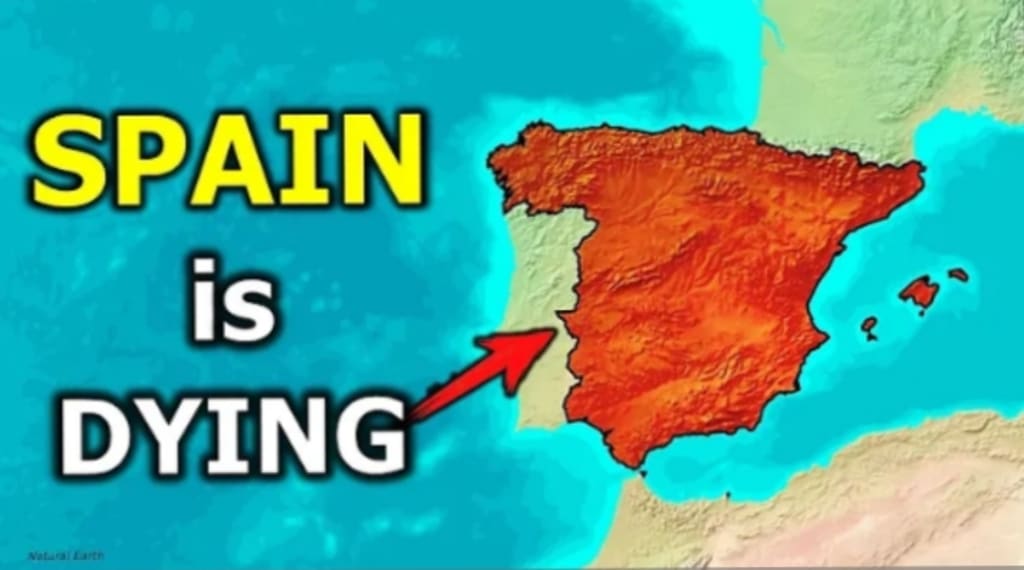
*Spain's Unique Population Pattern: A Complex Interplay of History, Politics, Geography, and Social Factors*
Spain, the fourth-largest country in Europe, boasts a rich history, diverse geography, and a distinct population distribution. Approximately 70% of its territory is uninhabited, with 90% of the population concentrated in coastal areas and the central region around Madrid.
*Historical Roots*
Spain's population pattern is deeply influenced by its complex history. The Roman Empire's division into Eastern and Western halves weakened its control, paving the way for Germanic tribes and eventually the Muslim Empire to conquer the region. The Muslim rule lasted for 800 years, leaving a lasting impact on science, philosophy, and architecture. The Christian Reconquista and subsequent colonial empire also shaped Spain's demographics.
*The Dark Years: Franco's Regime and Economic Consequences*
General Francisco Franco's 30-year rule (1939-1975) had a devastating impact on Spain. The civil war claimed 500,000 lives, and Franco's protectionist policies isolated Spain from international trade. The agricultural industry collapsed, prompting mass migration from rural areas to cities.
*Spanish Economic Miracle*
Franco's eventual openness to international trade sparked the Spanish Economic Miracle. Trade with France, Germany, and England revitalized the economy, concentrating economic activity in urban areas. This led to a surge in migration from rural to urban centers.
*Geographical Challenges*
Spain's mountainous terrain, with six ranges, poses significant infrastructure development challenges. The northern region, Spanish Lap Land (Sirenia Cult Berica), remains largely uninhabited due to difficult terrain and lack of infrastructure.
*Low Fertility Rate: A Demographic Concern*
Spain's fertility rate is the lowest in Europe, with an average birth rate of 1.19 children per woman. This decline is attributed to delayed marriage, unstable employment, and single-person households.
*Consequences and Future Implications*
Spain's population pattern has significant implications:
1. Depopulation of rural areas
2. Aging population
3. Need for immigrants to sustain population growth
4. Pressure on social security and pension systems
*Government Initiatives and Solutions*
To address these challenges, the Spanish government must:
1. Provide benefits and grants to encourage higher fertility rates
2. Invest in rural infrastructure development
3. Promote economic growth and job creation in rural areas
*Conclusion*
Spain's unique population pattern is a complex interplay of historical, political, geographical, and social factors. Understanding these dynamics is crucial for addressing the country's demographic challenges and ensuring a sustainable future.
*Sources:*
[Insert sources cited in the video]
*Related Content:*
About the Creator
Keep reading
More stories from Abira Sahi and writers in Wander and other communities.
Why Turkey's Geography is So special?
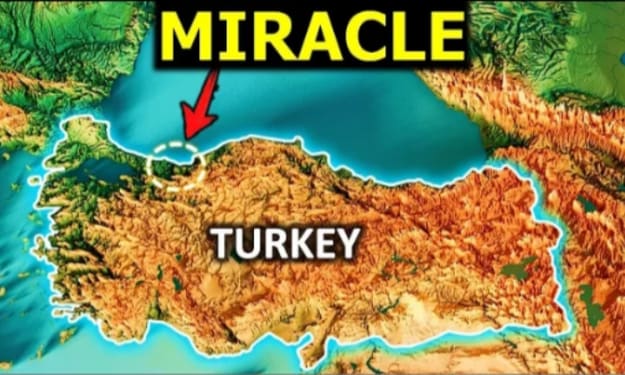
*Turkey: A Geographical Miracle Bridging Asia and Europe* Turkey's unique geography has made it a crucial crossroads between Asia and Europe, connecting the two continents. The modern Turkish state, confined to the Anatolian Peninsula, boasts an impressive history as a hub of power and trade.
By Abira Sahiabout a year ago in Wander
Worth the Wait: Puerto Viejo, Costa Rica
Beach bumming in a small Caribbean beach town sounded like a perfect way to end our 6-month trip through Mexico and Central America. Or so we thought. The foul, fishy stench of rotten seaweed hit our nostrils as we stepped from the cramped bus and looked out at a rather depressing, empty, and underwhelming black sand beach. It was pouring with rain, and we had to quickly fish out our ponchos. We thought, this couldn’t be it, could it?
By Sh*t Happens - Lost Girl Travel7 days ago in Wander
Fun Times at Globe Life Field: Part 2
Last month, I took a trip to my hometown of Arlington, Texas. It was the first time in nearly 15 years I've been back to the place that I grew up. During the two days I was there, I did some sight-seeing and was highly impressed with how much has changed the last time I was there, which was 2011. On the last day of my trip, I took part in a premium stadium tour at Globe Life Field, the home of the Texas Rangers. It was my first time there and was with a small group of people on the tour. I've discussed the things I've seen during the hour and a half tour in my previous story, which you can read down below. After the tour concluded, I went outside and took even more snapshots. I'll go over some of the images, individually and in collage form.
By Mark Wesley Pritchard about 16 hours ago in Wander
A System That Isn’t Working Challenge Winners
Systems promise order. They organize behavior, distribute opportunity, and suggest that if everyone follows the rules, things will work. The entries in A System That Isn’t Working look closely at what happens when that promise begins to slip.
By Vocal Curation Team2 days ago in Resources



Comments
There are no comments for this story
Be the first to respond and start the conversation.