
What to Expect on the Everest Base Camp Trek
The Everest Base Camp (EBC) trek is one of the most iconic and sought-after adventures for trekkers worldwide.


The Everest Base Camp (EBC) trek is one of the most iconic and sought-after adventures for trekkers worldwide. Nestled in the heart of the Himalayas, this journey offers stunning views, rich cultural experiences, and a sense of achievement that few other treks can match. However, the journey to the base of the world's tallest mountain is no walk in the park. It requires preparation, endurance, and a clear understanding of what lies ahead. Here, we delve into what you can expect on this unforgettable trek.
1. Overview of the Trek
The Everest Base Camp trek typically takes around 12-14 days, depending on the itinerary and acclimatization days. The trek starts with a thrilling flight from Kathmandu to Lukla, often referred to as one of the most exciting and scenic flights in the world. From Lukla, you’ll hike through charming villages, lush forests, suspension bridges, and high-altitude landscapes to reach the base camp at 5,364 meters (17,598 feet).
2. Scenic Highlights
One of the main reasons trekkers are drawn to the EBC trek is the breathtaking scenery. Throughout the journey, you’ll be treated to:
Panoramic Mountain Views: Majestic peaks like Ama Dablam, Lhotse, Nuptse, and, of course, Everest dominate the skyline.
Sagarmatha National Park: This UNESCO World Heritage Site is home to diverse flora, fauna, and stunning landscapes.
Tengboche Monastery: A spiritual and cultural highlight, the monastery offers a serene environment amidst dramatic mountain backdrops.
Khumbu Glacier and Icefall: Near the base camp, these icy marvels offer an otherworldly spectacle.
3. Cultural Experiences
The trek is not just about natural beauty; it’s also an opportunity to immerse yourself in Sherpa culture. Along the trail, you’ll pass through villages like Namche Bazaar, Dingboche, and Lobuche, where you can interact with the local Sherpa people, known for their mountaineering skills and warm hospitality. Visit monasteries, spin prayer wheels, and savor traditional dishes like dal bhat and momos.
4. Physical Challenges
While the EBC trek is achievable for most individuals with moderate fitness, it’s no easy feat. Here are some of the physical challenges you may face:
Altitude: The biggest challenge is the high altitude, which can cause Acute Mountain Sickness (AMS). Proper acclimatization and hydration are crucial.
Long Hours of Trekking: Expect to walk 5-8 hours daily on rugged terrain, with some steep ascents and descents.
Cold Weather: Temperatures can drop significantly, especially at higher altitudes and during the night. Dressing in layers is essential.
Trekking Conditions: Trails can be rocky, uneven, and occasionally slippery, requiring good footwear and careful navigation.
5. Accommodation and Food
Most trekkers stay in tea houses, which are basic lodges offering meals and a place to sleep. While accommodations are simple, they provide a cozy and communal atmosphere. Here’s what you can expect:
Rooms: Twin-sharing rooms with basic bedding. Bring a sleeping bag for additional warmth.
Bathrooms: Shared facilities, with hot showers available for an extra fee.
Food: Menus typically include rice, noodles, soups, potatoes, and local specialties. Energy-rich snacks and hydration are also vital.
6. Packing Essentials
Packing wisely is key to a successful trek. Here’s a list of essentials:
Clothing: Layered clothing, a down jacket, thermal wear, and waterproof gear.
Footwear: Sturdy trekking boots and comfortable socks.
Accessories: Sunglasses, trekking poles, a headlamp, and gloves.
First Aid: Basic medicines, blister treatment, and altitude sickness remedies.
Miscellaneous: Reusable water bottles, energy bars, a power bank, and a camera.
7. Altitude and Acclimatization
Acclimatization is one of the most important aspects of the EBC trek. The gradual ascent allows your body to adapt to the reduced oxygen levels. Trekkers usually spend acclimatization days in Namche Bazaar and Dingboche, taking short hikes to higher altitudes before returning to rest.
8. Weather Conditions
The weather in the Himalayas can be unpredictable. The best times to trek Everest are:
Spring (March to May): Clear skies, blooming rhododendrons, and moderate temperatures.
Autumn (September to November): Crisp weather, clear views, and dry trails.
Winter and monsoon seasons are less popular due to extreme cold and heavy rains, respectively, but they do offer unique challenges and solitude for adventurous trekkers.
9. Cost and Permits
The cost of the Everest Base Camp trek can vary widely depending on whether you go independently or with a guided tour. Key expenses include:
Permits: Trekkers need a Sagarmatha National Park entry permit and a TIMS (Trekkers’ Information Management System) card.
Guides and Porters: Hiring a guide and porter is highly recommended for navigation and carrying heavy loads.
Miscellaneous: Flights, food, accommodation, gear rental, and tips for guides/porters.
10. The Emotional Journey
Reaching Everest Base Camp is a deeply rewarding experience. The sense of accomplishment as you stand amidst towering peaks, surrounded by trekkers from around the world, is unparalleled. It’s not just a physical journey but an emotional one, filled with moments of reflection, camaraderie, and awe.
Tips for a Successful Trek
Train in advance by building your stamina and endurance.
Stay hydrated and eat well throughout the trek.
Respect local customs and the environment.
Listen to your body and don’t ignore symptoms of altitude sickness.
Travel with a reputable guide or trekking company for safety and support.
The Everest Base Camp trek is more than just a journey to the foot of the world’s highest peak—it’s a life-changing adventure that challenges your limits and leaves you with memories to last a lifetime. With proper preparation and a spirit of adventure, you’re sure to have an unforgettable experience.
About the Creator
Keep reading
More stories from Himalayan Trekkers and writers in Wander and other communities.
Everest Base Camp (EBC) Trek vs Annapurna Base Camp (ABC) Trek
Nepal is a trekker’s paradise, home to some of the most iconic trekking routes in the world. Among them, the Everest Base Camp (EBC) and Annapurna Base Camp (ABC) treks stand out as two of the most popular and rewarding adventures. Both offer stunning Himalayan views, unique cultural experiences, and a deep connection with nature — but they are also very different in terms of difficulty, landscape, altitude, accessibility, and overall experience.
By Himalayan Trekkers6 months ago in Wander
Avalanches Kill Five Off-Piste Skiers in Austrian Alps
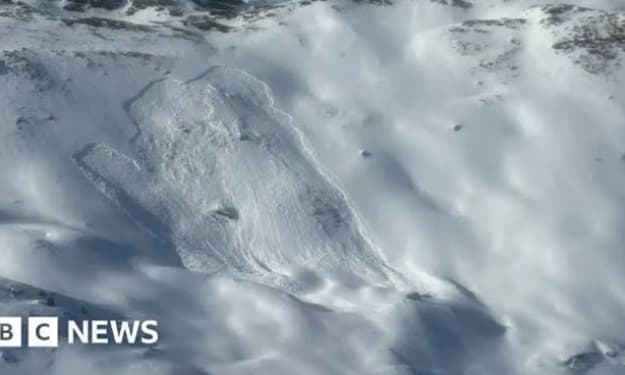
The Austrian Alps, long celebrated for their breathtaking beauty and world-class winter sports, were struck by tragedy when five off-piste skiers lost their lives in a series of avalanches in the Salzburg region. What should have been a thrilling day in fresh powder turned deadly, once again highlighting how quickly nature can shift from majestic to merciless.
By Aqib Hussain4 days ago in Wander
Affection and Healing for Yourself
During the night of the last quarter moon, I gathered my ritual supplies. I carefully handled the chunk of black tourmaline that would protect me from your overall negative and narcissistic energy. I carefully walked the house with my stick of selenite in hand, asking the universe to cleanse our working space.
By Alisha Wilkins ✒️🦋🖋️2 days ago in Fiction



Comments
There are no comments for this story
Be the first to respond and start the conversation.