
Avalanches Kill Five Off-Piste Skiers in Austrian Alps
A tragic reminder of the hidden dangers beyond groomed slopes
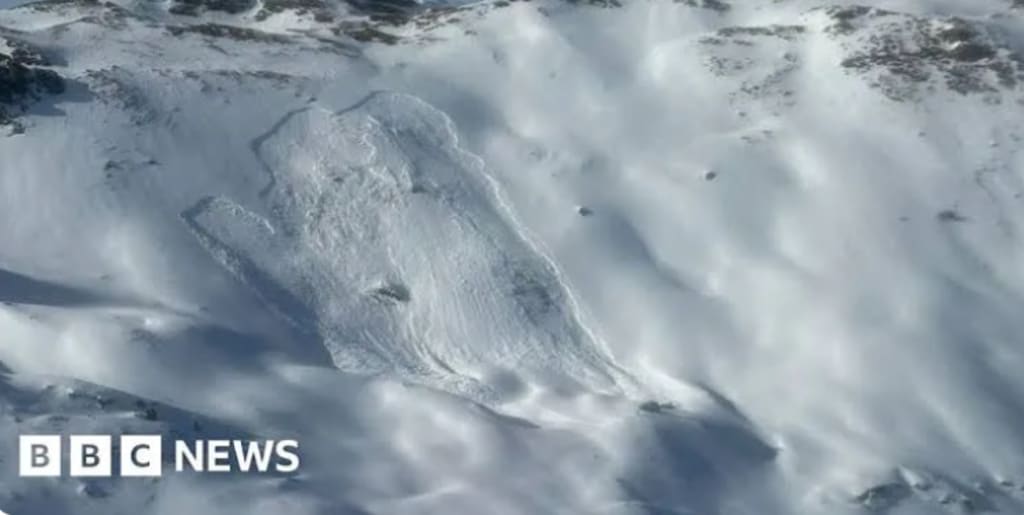
The Austrian Alps, long celebrated for their breathtaking beauty and world-class winter sports, were struck by tragedy when five off-piste skiers lost their lives in a series of avalanches in the Salzburg region. What should have been a thrilling day in fresh powder turned deadly, once again highlighting how quickly nature can shift from majestic to merciless.
As winter tourism peaks across Europe, this heartbreaking incident serves as a sobering reminder that adventure in the mountains always comes with risk—especially when skiers venture beyond marked and controlled slopes.
What Happened in the Austrian Alps
The fatal avalanches occurred in the Pongau district of Salzburg, a popular destination for experienced skiers seeking untouched snow away from crowded ski runs. On the same day, two separate avalanche incidents unfolded within a short span of time.
In the first incident, a group of off-piste skiers was caught when a large slab of snow broke loose on a steep mountainside. Four people were buried and killed, while others in the group suffered serious injuries. Despite rapid emergency response efforts involving helicopters, rescue dogs, and mountain rescue teams, the victims could not be saved.
Roughly 90 minutes earlier, another avalanche struck nearby, claiming the life of a female skier who had also been skiing off-piste. Together, the two avalanches brought the death toll to five, sending shockwaves through the local community and the wider skiing world.
Why Off-Piste Skiing Is So Dangerous
Off-piste skiing—also known as backcountry or freeride skiing—offers something many thrill-seekers crave: untouched snow, freedom, and a deeper connection with nature. But that freedom comes without the safety measures found on groomed resort slopes.
Unlike marked runs:
Off-piste terrain is not controlled for avalanches
Snow conditions can change within minutes
There are no safety nets, warning signs, or patrols
Rescue response times are often longer and more difficult
Even skilled and experienced skiers are vulnerable. Avalanches can be triggered by a single skier’s weight, and once snow starts moving, it can reach speeds of over 100 km/h, leaving little chance to escape.
Avalanche Warnings Were Already in Place
Perhaps the most troubling aspect of this tragedy is that avalanche warnings had already been issued in the days leading up to the incidents. Heavy snowfall, strong winds, and unstable snow layers had created high avalanche risk, particularly at higher elevations.
Authorities had cautioned against off-piste activity, especially in steep and wind-loaded areas. Despite this, skiers continued to venture into dangerous terrain—a decision that ultimately proved fatal.
Mountain rescue officials later emphasized that warnings should never be taken lightly, even by seasoned skiers. Experience does not eliminate risk; in some cases, it can lead to overconfidence.
The Role of Human Decision-Making
Avalanche experts often point out that human error plays a role in many accidents. Factors such as peer pressure, excitement over fresh snowfall, and the desire for untouched terrain can cloud judgment.
Common mistakes include:
Ignoring avalanche forecasts
Underestimating slope steepness
Overestimating personal skill level
Assuming previous tracks mean safety
While safety equipment like avalanche beacons, probes, and airbags can improve survival chances, they are not guarantees. Once buried, survival time is limited, and even immediate rescue does not always mean recovery.
A Difficult Season in the Alps
This tragedy is part of a wider pattern seen across the Alps this winter. Increased snowfall combined with fluctuating temperatures has created unstable snowpacks, leading to a rise in avalanche incidents.
In recent weeks, other fatal avalanches have been reported across Austria and neighboring Alpine countries, including incidents involving teenagers and families. Each case reinforces the same message: the mountains demand respect.
Climate variability has also contributed to unpredictable conditions, making traditional experience-based judgment less reliable than in the past.
Rescue Teams Face Immense Challenges
Mountain rescue teams involved in the Salzburg operations described extremely difficult conditions. Avalanche debris can harden quickly, turning soft snow into concrete-like blocks that are nearly impossible to dig through by hand.
Even with helicopters, trained dogs, and specialized equipment, time is the greatest enemy. Victims buried for more than 15 minutes face rapidly declining survival chances.
The emotional toll on rescuers is also significant. These teams often risk their own lives to recover victims, sometimes knowing the outcome before they arrive.
How These Tragedies Can Be Prevented
While avalanches cannot be eliminated, many experts agree that education and caution save lives. Key safety measures include:
Always checking daily avalanche bulletins
Avoiding off-piste terrain during high-risk periods
Taking certified avalanche safety courses
Traveling with trained guides
Carrying and knowing how to use safety gear
Being willing to turn back, no matter how tempting the conditions
Choosing caution over thrill is never a sign of weakness—it’s a sign of respect for the mountains.
A Sobering Reminder
The deaths of five skiers in the Austrian Alps are a tragic loss for families, friends, and the winter sports community. Beyond the statistics are real people who set out for adventure and never returned.
As ski season continues, this incident stands as a powerful reminder that the mountains do not forgive mistakes. Their beauty is unmatched, but so is their power.
Enjoy them—but never underestimate them.
About the Creator
Keep reading
More stories from Aqib Hussain and writers in Wander and other communities.
Heat Wave Fuels Massive Wildfire in Australia
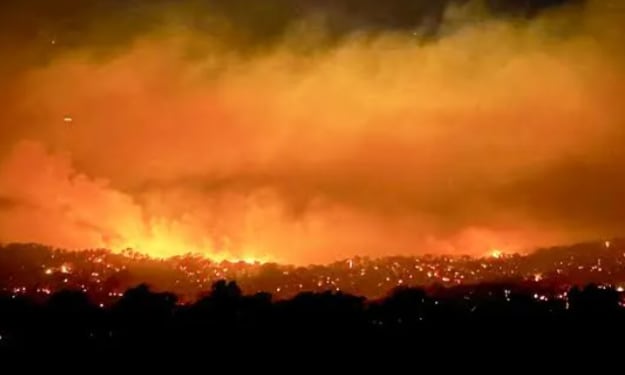
Australia is facing yet another environmental emergency as a relentless heat wave fuels massive wildfires across several states. With temperatures climbing far beyond seasonal averages, dry winds sweeping across parched land, and vegetation turning into tinder, the conditions have created a perfect storm for catastrophic bushfires.
By Aqib Hussain7 days ago in Wander
What a Truly Comfortable Travel Experience Feels Like — Beyond Hotels and Flights
When people talk about comfortable travel, the conversation usually revolves around hotels, flight classes, or airport lounges. While these details matter, comfort in travel often comes from something less visible: how smoothly everything fits together.
By Jeffrey Mathew4 days ago in Wander
Postcard from Castle Hill
Close your eyes and let the sea wind carry you. Hear the hush of tide through salt grass, the crunch of gravel beneath footfalls, and the low call of a distant bell. Before you unfurls a vision as layered as history itself: a rolling drumlin crowned by a Stuart-style mansion, its pale walls gleaming above a velvet lawn that tumbles half a mile toward the Atlantic—a landscape as finely composed as poetry and as resonant as legend. This is Castle Hill, the luminous core of the Crane Estate in Ipswich, Massachusetts, where stories—both spoken and unspoken—gather like morning mist over marsh.
By Kristen Barenthaler3 days ago in Wander
How to Succeed at the Benson Directory®
Congratulations and welcome to the Benson Directory® employee #22391! As our newest call handler, you will have the privilege of speaking with dozens of unique and interesting people on a daily basis as well as the opportunity to earn bonuses for high performance. Contained within this handbook you will find a set of ease to follow instructions designed to help you settle in to your new role and begin paving the way to success.
By S. A. Crawforda day ago in Fiction



Comments
There are no comments for this story
Be the first to respond and start the conversation.