
What Makes the Hamilton Canal in Negombo a Spine-Tingling Historic Waterway?
It's a journey through Sri Lanka's history and geography
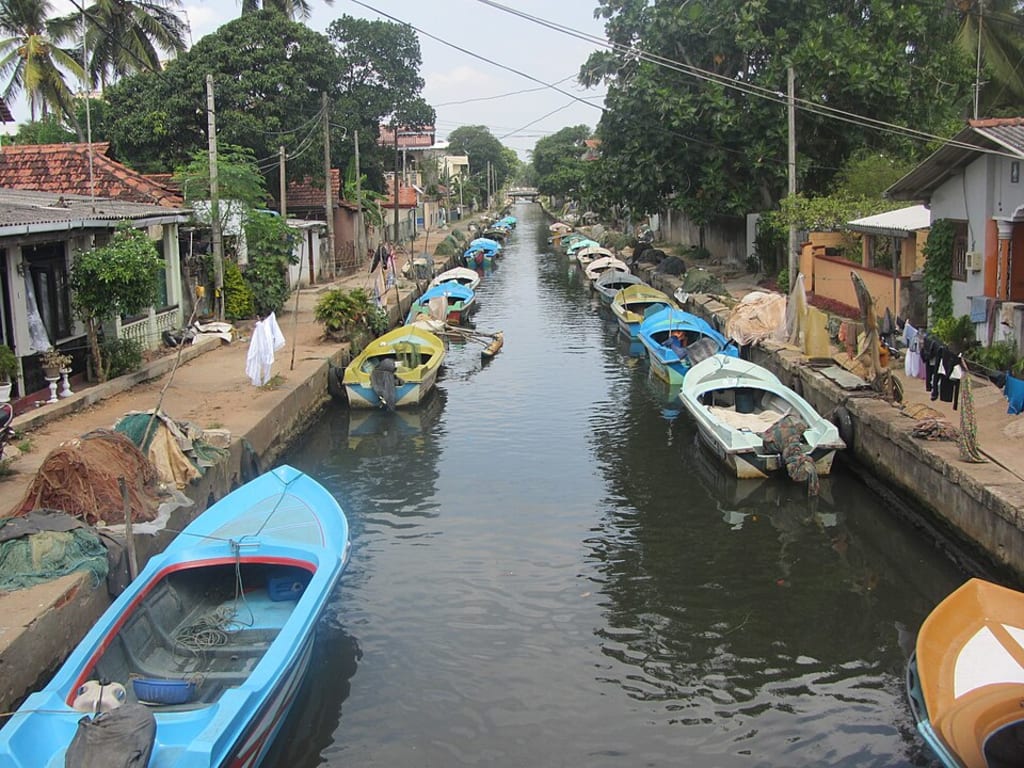
Hamilton Canal is a historic waterway that flows through Negombo, a coastal town north of Colombo. It's an ecologically rich, culturally vibrant waterway with a colonial past and a heritage of Dutch engineering. The canal offers more than picturesque boat tours. It's a journey through Sri Lanka's history and geography—perfect for travellers who want authentic, experiential travel.
Colonial Roots and Dutch Engineering
The Hamilton Canal is a history as richly textured as the empires that built it. The Dutch initially constructed the waterway in the 17th century to transport cinnamon and other goods to the ports. Later, in 1802, the British reconstructed the canal under Garvin Hamilton, whose name it bears today. This network was a key transportation route in colonial times and is now an engineering monument of history. A mix of Dutch building and British modification, it is a living testament to European imperial ambition, an interface of function and beauty in a distinctively Sri Lankan context.
A Scenic Route Through Time
The canal is a magic path studded with palm trees, small bridges, and allusions to ancient Sri Lankan culture. As you drift over its serene waters, you pass through local fishermen, village homes, and birds flying over the mangroves. For travellers who prefer a quiet and private base nearby, residing at one of the various Negombo villas with a pool can make the experience worthwhile. The villas typically open up to the canal or the surrounding beach, providing the best mix of adventure and relaxation. The landscape is ideal for photography, sketchwork, or simply wallowing in the peaceful charm of rural Negombo.
Connecting Landmarks and Lagoons
Hamilton Canal is not just a beautiful watercourse—it is also a functional link between various sections of Negombo and even further afield. From Colombo's suburb of Kelaniya to the Negombo Lagoon, it is connected to Sri Lanka's broader canal system. Previously, it enabled smoother transportation of commodities and resources along the western coastline. Currently, it connects visitors to prominent attractions like colonial churches, Buddhist temples, and bustling fishing villages. Canal boat tours reveal the everyday life of Negombo, as well as unlock gems easily forgotten by land-based tourists.
Ecological Significance and Biodiversity
Though the canal is historically dense with humans, the canal and surrounding banks are also essential to the natural ecosystem. The banks of the Hamilton Canal have rich biodiversity, from kingfishers and herons to productive mangroves and aquatic plant life. This ecosystem draws ecotourists and birdwatchers alike. A good example of sustainable tourism in this region is the Bolagala Agro Floating Resort near the canal. This innovative resort floats over a lagoon and offers ecologically friendly accommodations amidst plants and water. It demonstrates the harmony between hospitality and conservation for aiding fragile ecosystems.
Contemporary Revival and Tourism
Abandonment for decades had left the Hamilton Canal silted and overgrown with plants, but government and community plans in recent times have helped revive its beauty. Dredging, upkeep, and improvements to infrastructure turned the canal into a viable tourist destination once more. Area tour operators currently offer boat cruises, guided paddle trips, and cultural tours on and along the canal. Local economic stimulus and injecting life into the area come from these attractions. The canal is no longer just an old relic—it's an emerging destination. Travellers can move at ease while learning its significance with fervent local tour guides.
A Culinary and Cultural Passage
A Hamilton Canal cruise is a sensory delight—a visual treat—it's olfactory, as well. On its banks, life is local. Women wash garments near the water's edges, and fried snacks and coconuts are peddled by vendors while the day's catch comes in courtesy of fishermen. The region is renowned for seafood, and there are tiny eateries and home-based stalls offering spicy crab curry, fresh prawns, and roti. The tourists enjoy this part of the tour most because it introduces them to authentic Sri Lankan life. This stop motivates not just sightseeing, but storytelling, culture, and people.
About the Creator
Keep reading
More stories from Aurora Gianna and writers in Wander and other communities.
How to explore Kalutara
The island of Sri Lanka, known as the pearl of the Indian Ocean, is a paradise that must be visited by everyone. With a coastal belt around the entire country, a number of iconic landmarks, and a hospitable population, this country has much to offer for everyone who visits. There are both religious and historical landmarks scattered throughout the nation, with essential parts to add to an ever-evolving story. If you are someone who is looking for a spiritual encounter, look no further than Kalutara, which is a town in the southwestern part of the country that is known to have history and spirituality intertwined with each other.
By Aurora Gianna8 months ago in Wander
Hotels vs. Riads in Morocco for Families
Before our first family trip to Morocco, I didn’t fully understand the difference between riads and hotels. I’d heard the words riad, kasbah, riad but wasn’t sure what made them unique. As a mom, I cared most about one thing: what’s actually better for my kids?
By Ariel Cohenabout 10 hours ago in Wander



Comments
There are no comments for this story
Be the first to respond and start the conversation.