
Umrah in Off-Peak Seasons: A Quieter Path to the Sacred
Discover how performing Umrah during quieter months can bring deeper peace, smoother travel, and a more personal connection with Allah (SWT).

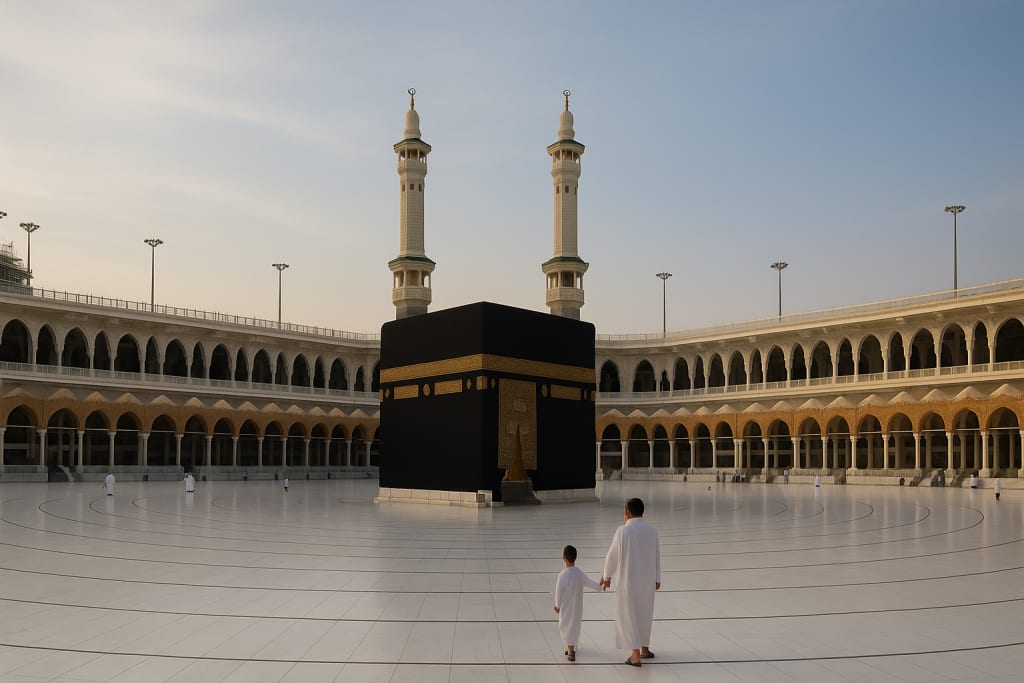
Centuries ago, the number of Muslims embarking on an Umrah journey was limited, but now millions yearn for the sacred pilgrimage. Umrah is not obligatory like Hajj, but its spiritual rewards are countless. Umrah is also known as a minor Hajj and is one of the greatest Sunnah acts.
Unlike Hajj, you can perform Umrah anytime, but choosing the best time to perform Umrah can make your journey more comfortable and budget-friendly. While millions of believers aspire to this sacred pilgrimage, the experience can greatly depend on the time you choose to travel.
Some prefer performing Umrah in Ramadan, others during holidays, some right after Hajj, and many choose to perform Umrah in off-peak seasons. Undoubtedly, pilgrimage is challenging; the crowds, waiting times, and intense movement can sometimes make the journey more physically demanding. This is why many look to embark on the blessed journey during off-peak seasons.
Performing Umrah in Ramadan or during off-peak seasons does not guarantee its acceptance, but choosing off-peak times can make the journey logistically smoother and allow pilgrims to connect more deeply with the sacred atmosphere. This helpful guide covers everything about performing Umrah in off-peak seasons, from benefits, insights, and practical guidance.
Why Timing Matters in Umrah
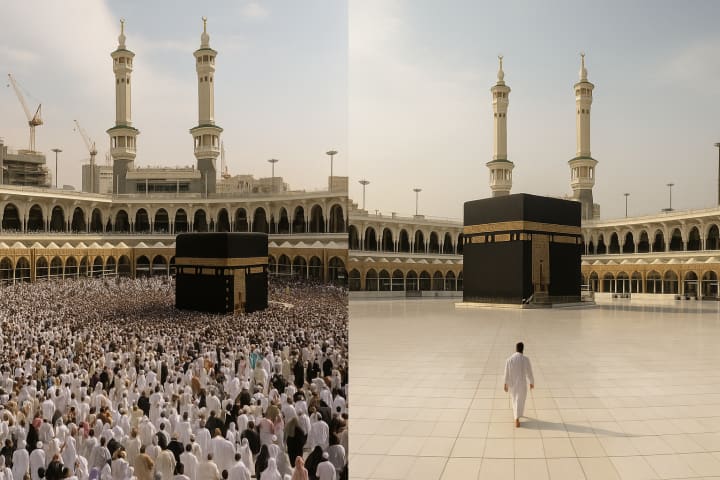
Umrah can be performed at any time of the year, except during the time of Hajj. Performing Umrah in Ramadan is indeed highly rewarding, but it also comes with significant challenges; long queues for Tawaf, crowded hotels, higher prices, and less personal space for reflection.
By contrast, the off-peak seasons, typically outside Ramadan, school holidays, and major vacation months, offer a gentler rhythm. You don’t have to wait for hours to perform the rituals, quieter mosques, availability in hotels, and the ability to pause, reflect, and immerse in ibadah deeply.
Spiritual Benefits Of Performing Umrah In Off-Peak Seasons
We all know that Umrah in Ramadan can help you earn immense rewards, so what spiritual benefits do pilgrims get when performing the pilgrimage in off-peak seasons?
1. A More Intimate Connection with Worship
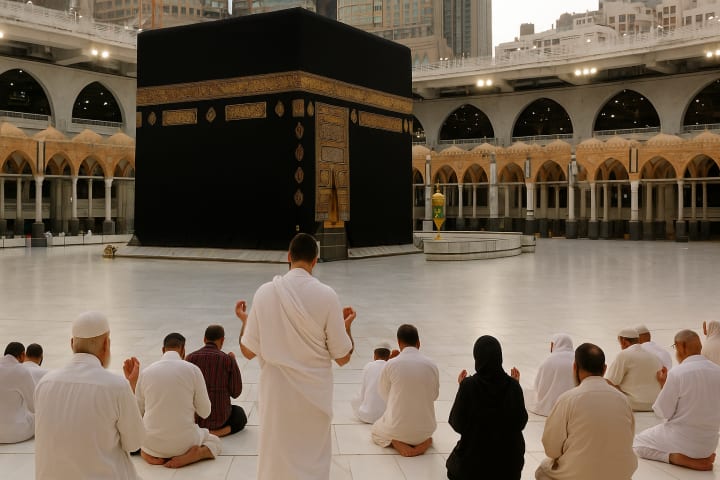
One of the most blessed benefits of the off-season is that you get the opportunity for uninterrupted ibadah, a quieter atmosphere for deeper reflection, and performing rituals without being swept by massive crowds. You can also enjoy calmness and peace while performing Salah in Masjid al-Haram or Masjid an-Nabawi.
2. Time for Reflection and Du’a
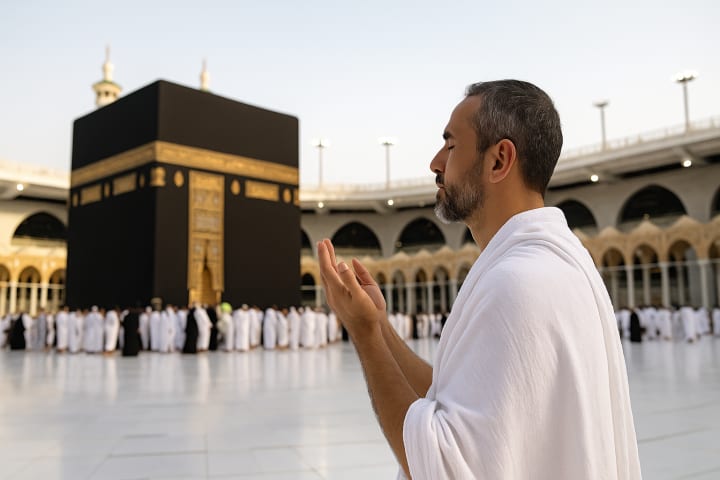
In quieter months, you are not rushing to complete the rituals before being pushed by the crowd. You can pause at the Kabah, extend your supplications, kiss Hajar al-Aswad, or simply stand in silence remembering Allah (SWT). These blessed moments, you hardly get to experience during peak seasons.
3. A Family-Friendly Environment
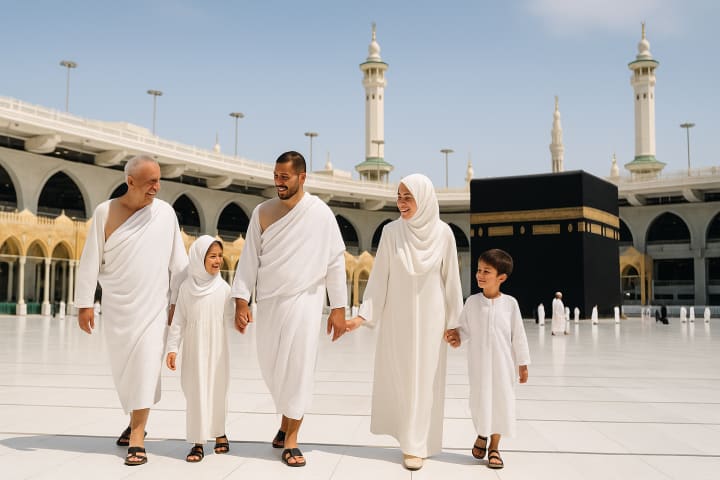
For families, especially with children or elderly parents, performing Umrah during less crowded months reduces stress. You can easily move between places, rest between the rituals, and the overall movement becomes easy.
Practical Benefits Of Performing Umrah In Quieter Months
Not only spiritual benefits, but there are also practical benefits of embarking on the minor Hajj in the off-season. Let’s look at the practical benefits apart from the smaller crowd.
1. Cost Savings
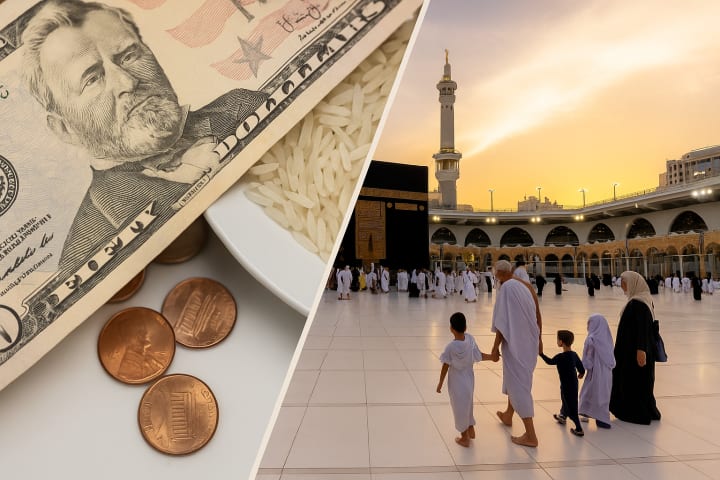
If you are struggling to perform Umrah due to financial constraints, planning the pilgrimage outside peak seasons is what you should do. Not only because of the cheaper flights, but also the availability of affordable accommodations and Umrah packages. Umrah in the off-season can help you save a lot of money, compared to Ramadan and holidays.
2. Easier Accommodation Choices
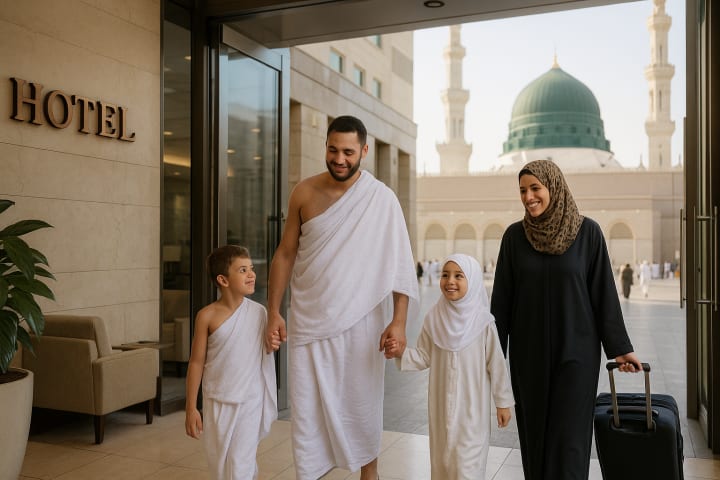
Every pilgrim wishes to get hotels near the Haram, but the chances of getting accommodations near the great mosque during Ramadan are nearly impossible. During quieter months, hotels are far more affordable and available. Pilgrims can often secure rooms within walking distance of Masjid al-Haram or Masjid an-Nabawi without paying premium rates.
3. Smoother Travel Logistics
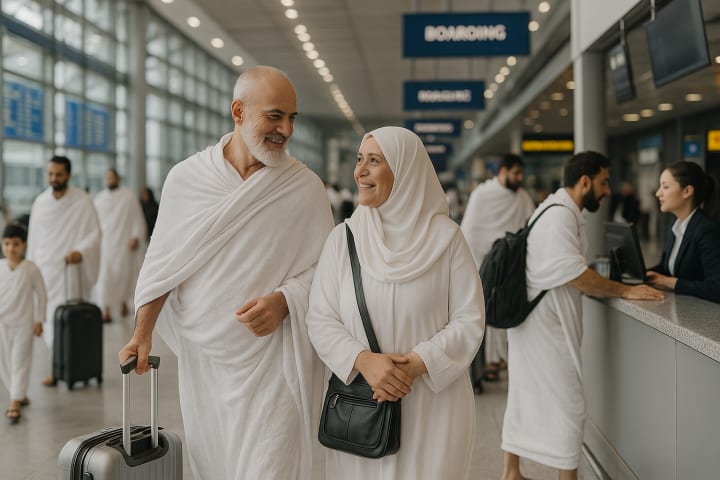
Makkah has fewer crowds outside the Hajj season, Ramadan, and holidays, which means shorter waiting times, less exhausting, and a smoother travel experience. You can spend more time in ibadah instead of waiting in lines.
When Are The Off-Peak Seasons?
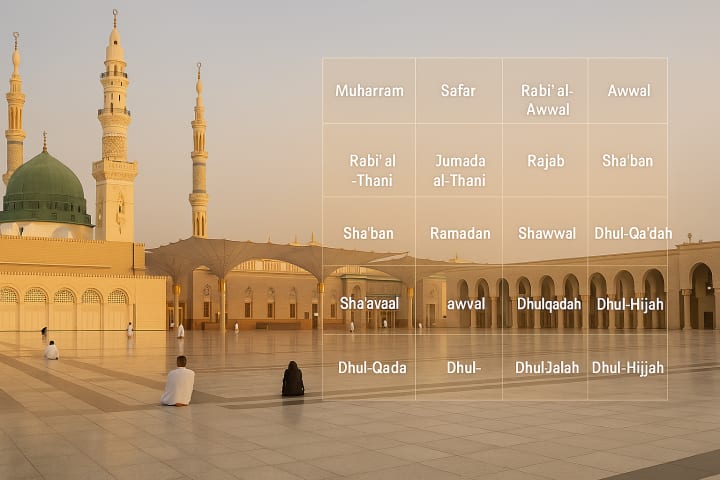
The main part of our blog is finally here. Everyone knows about the peak seasons (Ramadan, Dhul Hijjah, holidays, and school breaks), but many actually don't know much about the off-peak seasons. Generally, the off-seasons for Umrah are;
Late Muharram to mid-Rajab: Before the build-up to Ramadan, these months are quieter.
Shawwal to Dhul Qa’dah (post-Hajj months): Immediately after Hajj, the crowds thin dramatically, and rates drop.
Mid-September to mid-November: Outside major global holidays, Umrah tends to be calmer.
Quick Tips To Make the Most Of Your Off-Peak Umrah
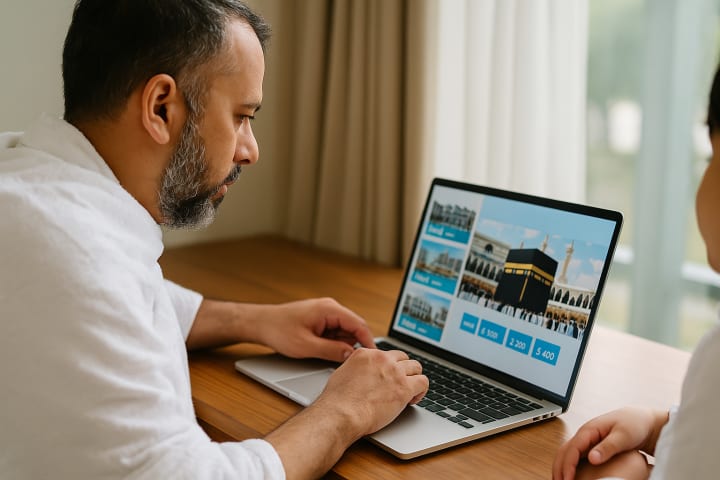
1. Book Early To Secure The Best Deals: Off-peak may be cheaper, but hotels and flights sell out fast, so book early to get the best rates.
2. Focus on Your Spiritual Preparation: Don’t let the ease and comfort of travel distract you from ibadah; instead, focus on deepening your spiritual preparation.
3. Plan Ziyarah With Purpose: Off-peak seasons let you absorb the lessons of Ziyarah deeply.
4. Travel With Reliable Providers: Logistics matter, but spiritual care matters more; choose the right travel operator.
Final Wordings: A Quieter Path, A Deeper Journey
The spiritually profound journey of Umrah is not about how crowded or quiet the great mosque is; it is about your intentions, sincerity, and devotion. Practical choices like the timing of performing Umrah can help reduce stress, save money, and make your pilgrimage more meaningful.
By choosing off-peak seasons, you give yourself the gift of time: time to reflect, time for ibadah, and time to absorb the blessings of the sacred cities without feeling rushed. For many pilgrims, this balance creates an unforgettable journey, one that lingers in the heart long after they’ve returned home.
About the Creator
Abdul Rahim Khan
Travel guide expert & writer at Itimaar, helping Muslims explore the world with faith, ease & purpose — from halal trips to Hajj & Umrah guidance.
Keep reading
More stories from Abdul Rahim Khan and writers in Wander and other communities.
How Pilgrimage Removes Pride and Teaches Humility
The sacred Hajj and Umrah are not just physical journeys, but transformative experiences that transform the soul and heart. Every step in Hajj and Umrah, from making intentions to donning the ihram and circling the Ka’bah, teaches you lessons and brings you closer to Allah (SWT). One of the most striking lessons of pilgrimage is how it strips away pride and nurtures humility, reminding us that all power, status, and wealth belong to Allah (SWT) alone.
By Abdul Rahim Khan5 months ago in Wander
What I Learned Is Considered Disrespectful in Morocco by Morocco Family Vacation
Before visiting Morocco with my family, I read countless articles about customs, etiquette, and cultural differences. Still, I worried I’d make a mistake especially traveling as a mom with children who ask questions loudly, touch everything, and don’t always understand unspoken rules.
By Ariel Cohenabout 5 hours ago in Wander
What a Truly Comfortable Travel Experience Feels Like — Beyond Hotels and Flights
When people talk about comfortable travel, the conversation usually revolves around hotels, flight classes, or airport lounges. While these details matter, comfort in travel often comes from something less visible: how smoothly everything fits together.
By Jeffrey Mathew4 days ago in Wander


Comments
There are no comments for this story
Be the first to respond and start the conversation.