
How Pilgrimage Removes Pride and Teaches Humility
Pilgrimage as a Lifelong Lesson: From Ihram’s Simplicity to Arafah’s Equality

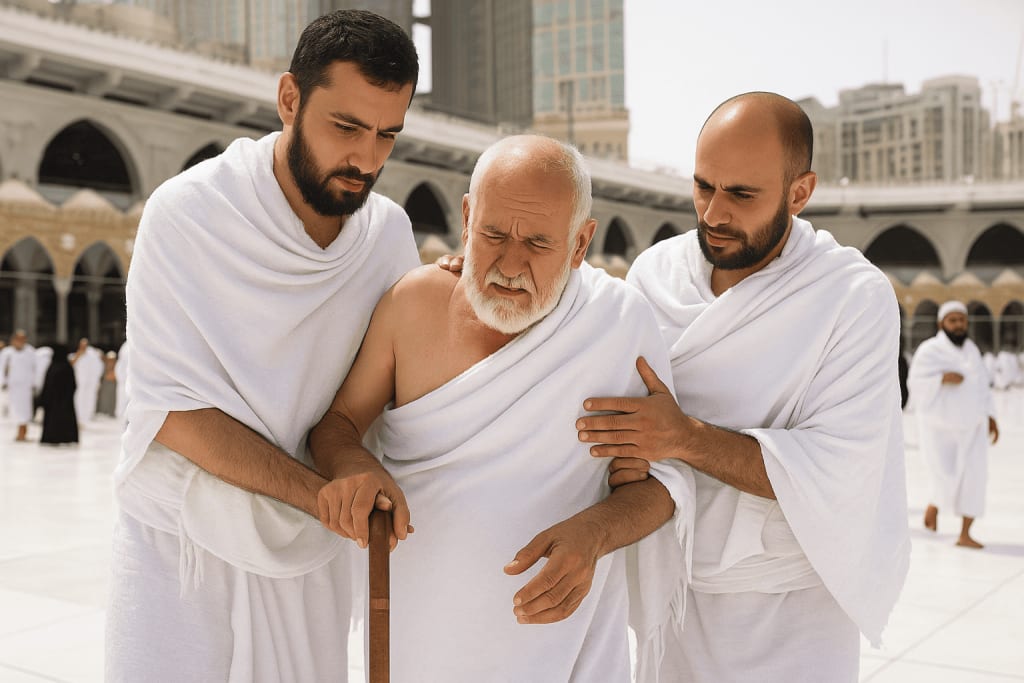
The sacred Hajj and Umrah are not just physical journeys, but transformative experiences that transform the soul and heart. Every step in Hajj and Umrah, from making intentions to donning the ihram and circling the Ka’bah, teaches you lessons and brings you closer to Allah (SWT). One of the most striking lessons of pilgrimage is how it strips away pride and nurtures humility, reminding us that all power, status, and wealth belong to Allah (SWT) alone.
In this modern world, where pride often dictates the way people live, Hajj and Umrah serve as a training ground for submission, equality, and humility. If you embark on the pilgrimage with sincere intentions, remembering and pleasing Allah SWT throughout the journey, then the pilgrimage becomes more than a ritual; it transforms your heart, purifies your soul, and reshapes your entire being.
In this practical blog, we will explore how pilgrimage removes pride and teaches humility and kindness.
1. Ihram: Shedding Status and Ego

Well, the first act of Hajj and Umrah is to set your intentions, but physically, the first one is entering into the state of Ihram. Men wear two simple white sheets of unstitched cloth, while women are not prescribed a specific attire but are required to wear loose, modest clothing.
In Ihram, whether king or labourer, rich or poor, businessman or worker, all look alike and stand equal before Allah (SWT). Titles, professions, and achievements vanish, and all hearts unite to please Allah (SWT).
This uniformity teaches pilgrims that worldly pride is fragile and temporary. By removing these symbols of status, the believer is reminded that before Allah, only faith (taqwa) distinguishes one person from another.
2. Tawaf: Moving in Unity Around a Single Center

The ritual of Tawaf is circling the Ka’bah seven times, and it is one of the most humbling experiences. Millions of Muslims move in unity, reciting “Labaika Allahuma Labaik”, regardless of race or language, all move together in one direction.
Tawaf is a silent declaration that our lives are not the orbit of our own pride but the orbit of Allah’s will. In those circles, pilgrims experience humility through unity: no pilgrim is greater than the other, and all are part of the same rhythm of devotion.
3. The Heat, Crowds, and Struggles of Hajj

Pilgrimage is challenging; the rituals of Hajj and Umrah demand patience, endurance, and unwavering faith. The long walks, sleepless nights, intense heat, fatigue, and tiredness all remind pilgrims of their human fragility. The rituals of Hajj and Umrah test your patience, strip away your comforts, and break the arrogance of entitlement.
When a pilgrim feels exhausted, but still motivated for the rituals, they understand that reliance on Allah (SWT) is the true key to endurance. Pride fades when pilgrims realize how dependent we all are on Allah (SWT).
4. Standing at ‘Arafah: The Great Equalizer

Standing at Arafah reminds pilgrims of the final judgement day, and the day of Arafah is the pinnacle of humility. Millions of believers stand on the same plain, raise their hands to seek forgiveness and blessings from Allah (SWT). On Arafah, no education, wealth, profession, or family background can help. Only the sincerity of the heart matters.
This collective pleading strips away arrogance. Standing shoulder to shoulder with fellow believers, one realises that pride has no place when everyone is equally in need of forgiveness.
5. Lessons From Mina: Sacrifice Over Self-Importance

During the rituals of Mina, pilgrims perform the act of stoning the pillars, avoiding the distraction of Shaytan and rejecting arrogance. This symbolic act is an exercise in humility, acknowledging that pride is one of Shayṭān’s greatest weapons. By throwing those stones, pilgrims renew their commitment to resisting prideful desires and embracing the humility that Islam calls for in everyday life.
6. Returning Home: A Changed Perspective

One of the beauties of Hajj and Umrah is that they are not limited to the sacred sites; they follow pilgrims home. Pilgrims who return after the pilgrimage often carry a renewed sense of humility and a longing to stay closer to Allah (SWT). They become gentler with family, kinder to strangers, and more aware of their own weaknesses.
This lasting change is proof that pilgrimage is not just a ritual but a deep training for the soul, teaching us to live without pride and walk with humility before Allah (SWT).
7. Humility: The Key to a Believer’s Success

The holy book Qur’an and Sunnah consistently warn against pride and elevate humility.
The Prophet Muhammad (PBUH) said:
"Whoever has a mustard seed's weight of pride (arrogance) in his heart, shall not be admitted into Paradise.”
This hadith emphasises why Hajj and Umrah are such blessings. It is a journey that not only fulfils an obligation but also cleanses the heart of pride, guiding believers to the qualities Allah SWT loves most.
Final Wordings
Hajj and Umrah are not only sacred acts of worship but also profound lessons for life. By testing your patience, character, physical health, and stripping away pride, the pilgrimage prepares Muslims to live with humility in all aspects: work, family, and community. For the believers today, these journeys remain a powerful reminder that greatness lies not in wealth or status but in humility before Allah (SWT).
About the Creator
Abdul Rahim Khan
Travel guide expert & writer at Itimaar, helping Muslims explore the world with faith, ease & purpose — from halal trips to Hajj & Umrah guidance.
Keep reading
More stories from Abdul Rahim Khan and writers in Wander and other communities.
Connecting Ummah: How Travel Strengthens Global Muslim Bonds
When you want to connect with a family member or relative living in a foreign land, you use technology to connect with them in seconds. But apart from virtually connecting, there’s something deeply irreplaceable about physically meeting fellow Muslims from different parts of the world. Travel is a profound opportunity not just for leisure and enjoyment but for reflection, exploration, and to connect with the global Ummah. Whether during Hajj, Umrah, or even a casual halal-friendly holiday, travel opens the door to a powerful experience, strengthening the bonds of the Ummah.
By Abdul Rahim Khan6 months ago in Wander
Signs That You Grew Up in Texas
Greetings, Vocal creators! We're going to talk about arguably the best state in this country. I'm talking about Texas and it's also my home state, in case you didn't know. Nicknamed The Lone Star State, it has over 31 million people as of 2024 and is the second largest in the country. Last year, I wrote a story about the things that I loved about Arlington, which is where I'm originally from and where I grew up. Some notable people from the 28th state include Matthew McConaughey, Nolan Ryan, Matthew Stafford, and Willie Nelson. You can read the full story by clicking the link down below. The following entries are not in any particular order.
By Mark Wesley Pritchard 5 days ago in Wander



Comments
There are no comments for this story
Be the first to respond and start the conversation.