
Trek Guide to Tsum Valley: Discovering Nepal's Undiscovered Treasure
Tsum valley
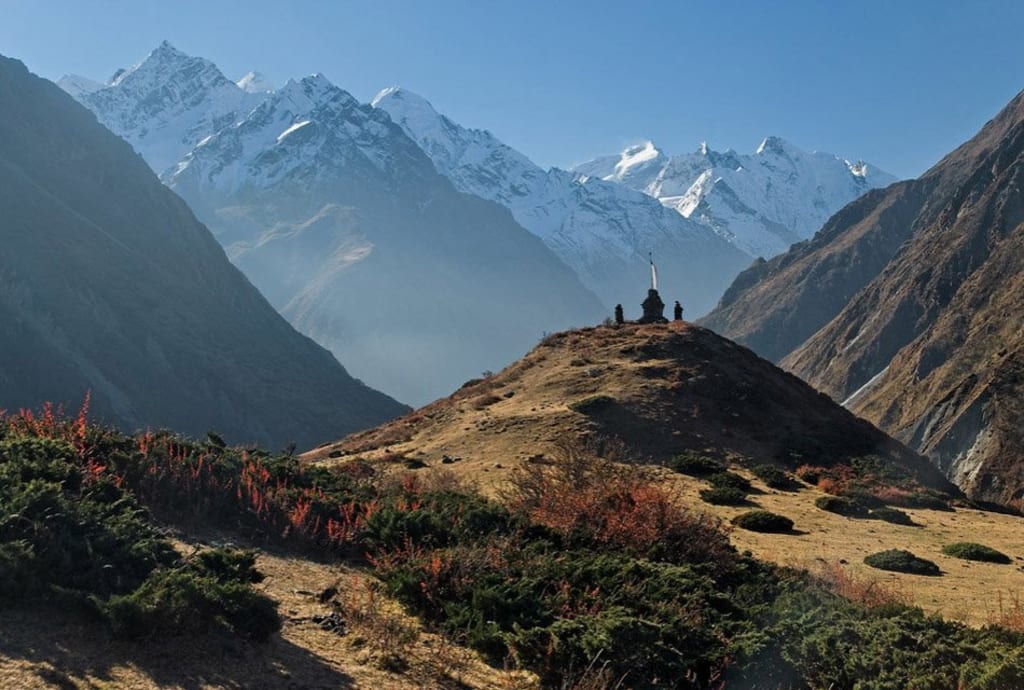
Trekkers embark on an enthralling journey through one of Nepal's most isolated and culturally diverse regions on the Tsum Valley Trek. The Tsum Valley, which is tucked away in the northeastern Himalayas, is well known for its breathtaking scenery, long-standing Buddhist tradition, and friendly locals. With the guidance of this book, you will be able to explore the Tsum Valley and get the most out of your trekking adventure.
Tsum Valley Overview
Known as the "Valley of Happiness," the Tsum Valley is part of the Manaslu Conservation Area and borders Tibet. The native Tsumba people, who follow a distinctive branch of Tibetan Buddhism, live in the valley. Tsum Valley is a delightful location for adventurous travelers because it combines spiritual encounters, natural beauty, and an intense cultural experience.
How to Get There
You must first take a plane to Kathmandu, the Nepali capital, in order to start the Tsum Valley Trek. The journey begins at Arughat, a small town that may be reached by bus or private vehicle rental from Kathmandu. It takes roughly seven to eight hours to get from Kathmandu to Arughat.
To trek in this area, you will require both a Manaslu Conservation Area Permit and a Tsum Valley Special Permit. In addition to helping with your overall trekking arrangements, a recognized trekking organization in Nepal can help you secure these permits.
The Path of Trekking
Depending on your schedule and speed, the Tsum Valley Trek usually takes 12 to 14 days. There are numerous important stations along the route:
Soti Khola: Reachable from Arughat, Soti Khola is where the trek starts. Walking beside the Budhi Gandaki River on the first day offers stunning views of the trees and terraced farms.
Machha Khola: A little community renowned for its kind hospitality, Machha Khola is where the journey continues. There are tea houses here where you may relax and eat regional cuisine.
Jagat: Ascending will bring you to Jagat, a Gurung community with breathtaking views and a chance to learn about the local way of life. The village is a great place to settle down and get ready for the days ahead.
Deng: The trail continues from Jagat to Deng, where the terrain gets rougher. Savor the tranquil ambiance of this community and the lovely views of the surrounding mountains.
Namrung: If you keep going, you'll reach Namrung, a village that provides stunning views of Manaslu and an insight into Tibetan culture. The distinctive past of the area is reflected in the ambiance and architecture.
Tsum Valley Entrance: You will enter the Tsum Valley after going via the settlement of Lho. The distinctive scenery of the valley, which is adorned with chortens and prayer flags, highlights the rich Tibetan Buddhist culture.
The first significant hamlet in the Tsum Valley is the lovely village of Chhokang Paro. Ancient monasteries that offer insight into the local spiritual practices are the Rachen Gompa and Mu Gumba.
Nile and Chhule: The journey continues to the northernmost communities of Chhule and Nile, which are located where the Tibetan border and Shiar Khola meet. You may engage with the inhabitants and enjoy breathtaking vistas in these communities.
Journey Back: After touring the valley, you will return to Soti Khola, taking in the beauty of the Himalayas and the shifting scenery as you go.
Ideal Time to Go Hiking
Spring (March to May) and fall (September to November) are the best seasons to go on the Tsum Valley Trek. The weather is usually consistent and clear during these months, making for great trekking conditions and breathtaking vistas. Rhododendrons also blossom in the spring, and as the leaves change in the fall, the foliage is a riot of color.
Gear and Preparation
Trekking in the Tsum Valley requires physical fitness because the trail has strong ascents and a variety of terrain. Prior trekking experience is not required, however it is beneficial. Essential equipment consists of:
- Robust hiking boots
- Layers of warm clothing
- A jacket that is waterproof
- A cozy backpack
- An excellent sleeping bag
- Supporting trekking poles
- Cultural Aspects
Cultural Aspects
Respecting local traditions and customs is crucial when walking in the Tsum Valley. Visitors are encouraged to interact with the local culture because the Tsumba people are renowned for their warmth. You can improve your relationships with the locals by learning a few simple words in Tibetan or Nepali.
In summary
The Tsum Valley Trek is a singular experience that provides the ideal fusion of breathtaking natural splendor and culturally diverse encounters. Trekkers looking for peace and quiet away from the busier paths will love this undiscovered gem in Nepal. Your trip through the Tsum Valley will surely be an unforgettable experience full of breathtaking scenery and deep connections with the local people if you plan ahead, respect local customs, and have an adventurous spirit. Tsum Valley welcomes you to explore its mysteries and treasures, regardless of your level of experience as a hiker or your level of adventure.
About the Creator
Keep reading
More stories from infinite journey and writers in Wander and other communities.
The Langtang Tamang Heritage Trek: An Exploration of Nature and Culture
Offering a remarkable fusion of natural beauty and in-depth cultural immersion, the Langtang Tamang Heritage Trek is a distinctive and enjoyable trekking experience in Nepal. Trekkers can get a close-up look at traditional Himalayan life and customs by traveling through the ancestral territories of the Tamang people, an ethnic minority with Tibetan roots, which is located in the Langtang region. The walk is perfect for those who enjoy the outdoors and culture since it provides breathtaking vistas of the Langtang mountain range, verdant woods, terraced farmlands, and historic monasteries.
By infinite journeyabout a year ago in Wander


Comments
There are no comments for this story
Be the first to respond and start the conversation.