
Tiny House Living in New Zealand A Guide to the Tiny House Movement
Live Free

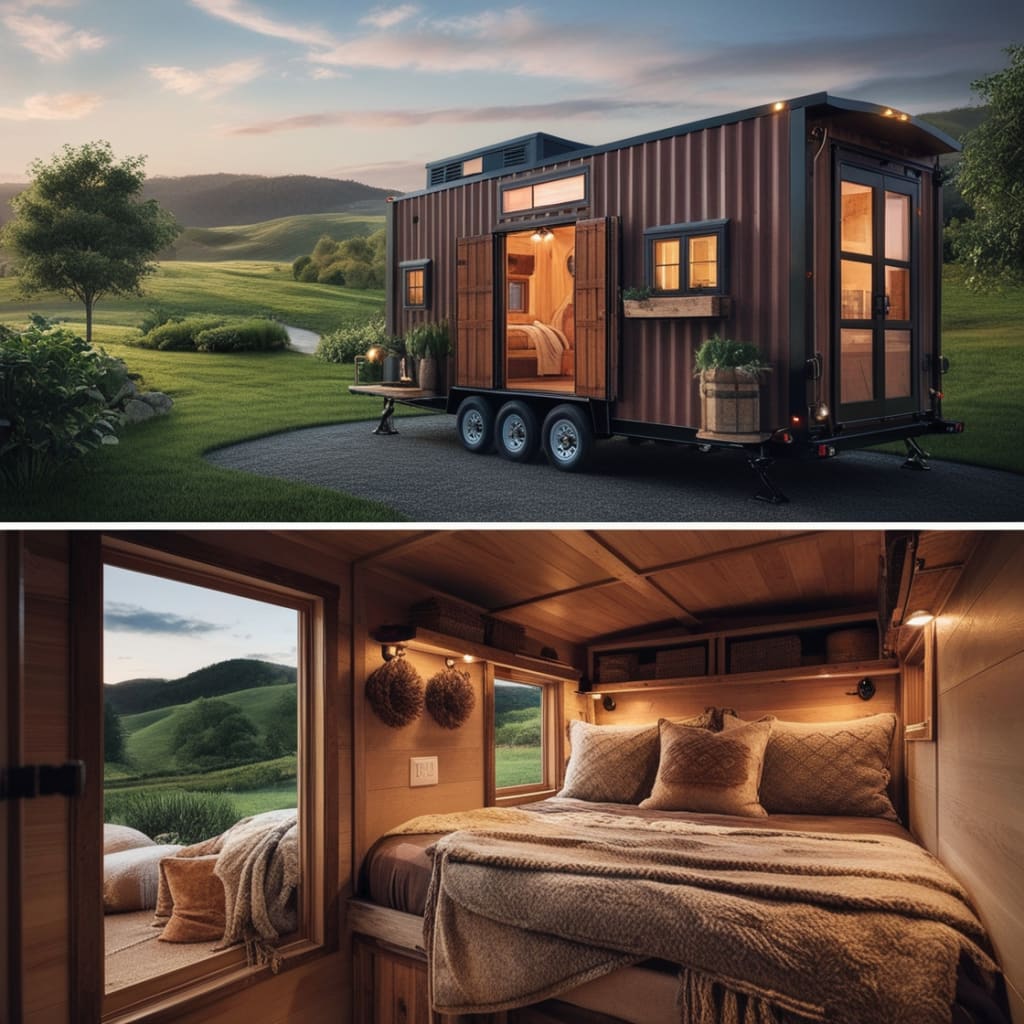
The tiny house movement has been gaining momentum worldwide, and New Zealand is no exception. With its stunning landscapes, eco-conscious population, and high cost of living, New Zealand is the perfect place for the tiny house movement to thrive. Tiny houses offer a unique and sustainable way of living, allowing people to downsize their lives and focus on what truly matters. In this article, we'll explore the tiny house movement in New Zealand, the benefits of tiny house living, and why it's becoming an increasingly popular housing solution.
What is the Tiny House Movement?
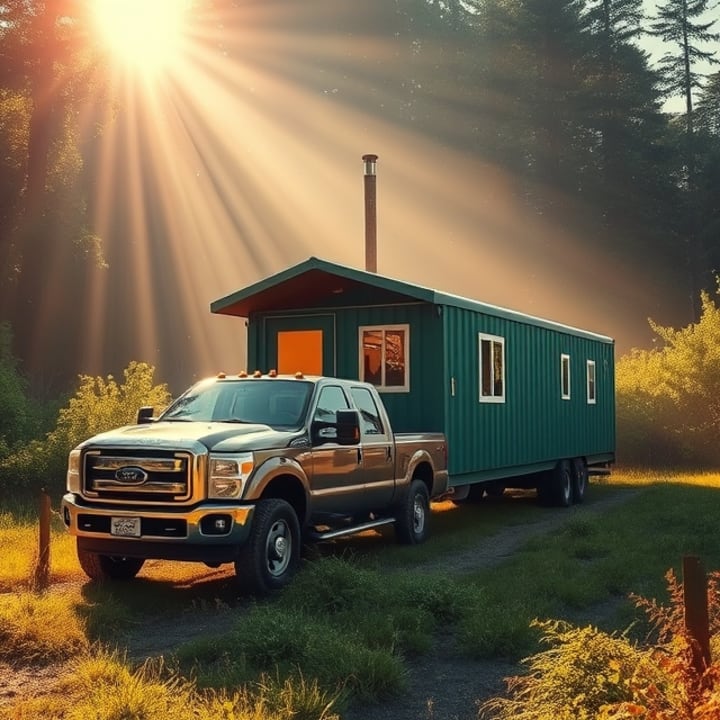
The tiny house movement is a social and architectural movement that advocates for living simply in small homes. Typically, a tiny house is less than 400 square feet, though some can be as small as 100 square feet. These homes are designed to maximize space and minimize waste, often featuring multi-functional furniture, clever storage solutions, and eco-friendly materials.
The movement is driven by a desire for financial freedom, environmental sustainability, and a simpler way of life. By living in a tiny house, people can reduce their carbon footprint, save money on housing costs, and focus on experiences rather than possessions.
Why is the Tiny House Movement Growing in New Zealand?
New Zealand's unique combination of natural beauty, environmental consciousness, and high housing costs makes it an ideal location for the tiny house movement. Here are some reasons why tiny houses are becoming increasingly popular in New Zealand.
Affordable Housing: The cost of housing in New Zealand, particularly in cities like Auckland and Wellington, has skyrocketed in recent years. Tiny houses offer an affordable alternative, allowing people to own their own home without taking on a massive mortgage.
Environmental Sustainability: New Zealanders are known for their love of the outdoors and their commitment to protecting the environment. Tiny houses are often built with eco-friendly materials and designed to be energy-efficient, making them a sustainable housing option.
Flexibility and Mobility: Many tiny houses are built on wheels, allowing homeowners to move their house to different locations. This flexibility is particularly appealing in New Zealand, where people often want to live close to nature or move between different regions.
Simpler Lifestyle: The tiny house movement is about more than just small homes; it's about simplifying life and focusing on what truly matters. By downsizing their possessions and living in a smaller space, people can reduce stress, save money, and spend more time on the things they love.
Benefits of Tiny House Living in New Zealand
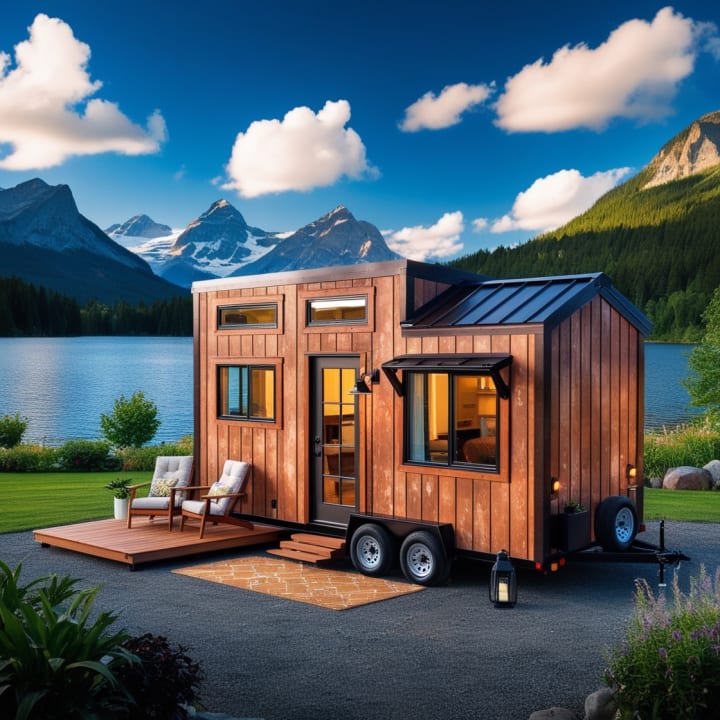
Financial Freedom: One of the biggest benefits of tiny house living is the financial freedom it offers. With lower housing costs, homeowners can save money, pay off debt, or invest in other areas of their life.
Environmental Impact: Tiny houses have a smaller environmental footprint than traditional homes. They require fewer materials to build, use less energy to heat and cool, and often incorporate renewable energy sources like solar panels.
Customization: Tiny houses can be customized to suit the homeowner's needs and preferences. Whether you want a modern, minimalist design or a cozy, rustic cabin, you can create a tiny house that reflects your personal style.
Community: The tiny house movement has a strong sense of community, with many tiny house enthusiasts sharing tips, resources, and support. In New Zealand, there are growing communities of tiny house dwellers who come together to share their experiences and help each other.
Challenges of Tiny House Living in New Zealand
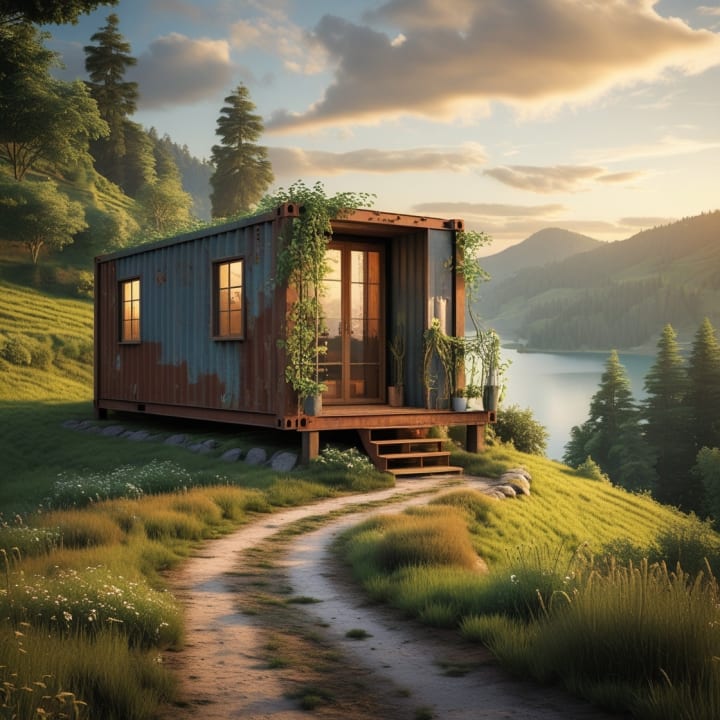
While tiny house living offers many benefits, it also comes with its own set of challenges. Here are some things to consider before making the switch to a tiny house:
Zoning and Regulations: In New Zealand, zoning laws and building codes can make it difficult to find a place to park or build a tiny house. It's important to research local regulations and work with a knowledgeable builder or planner.
Space Limitations: Living in a tiny house requires a significant downsizing of possessions and a willingness to live in a small space. It's important to carefully consider whether this lifestyle is right for you.\
Utilities and Services: Tiny houses often require creative solutions for utilities like water, electricity, and waste disposal. It's important to plan ahead and ensure that your tiny house is equipped with the necessary infrastructure.
Conclusion
The tiny house movement is gaining traction in New Zealand, offering an affordable, sustainable, and flexible housing solution for those looking to simplify their lives. With its stunning landscapes, eco-conscious population, and high cost of living, New Zealand is the perfect place for the tiny house movement to thrive. Whether you're looking to downsize, reduce your environmental impact, or achieve financial freedom, tiny house living offers a unique and rewarding way of life. So why not consider joining the tiny house movement and start living big in a small space?
About the Creator
Unit2go
Unit2Go is a trailblazer in modern, compact living. Specializing in tiny cabins for sale in New Zealand, they offer beautifully designed, customizable homes that blend style, functionality, and sustainability.
Absolved of All Sins!
We went on a day trip to Armenia with my son and friend Katie to explore its apostolic monasteries. Our first stop, Akhtala Monastery, had a monument to Armenian-Georgian friendship in the form of two rings joined by a pomegranate, the national fruit of both countries.
By Lana V Lynx2 days ago in Wander
Gift of the Epiphany
I have come to love the Mike's monthly unofficial challenges. They spark my imagination and cause me to dig, explore and search out truths. They also cause personal memories of mine to sparkle for a bit. January's challenge was no exception. In fact, the events that I'm now journaling still amaze me because those steps felt so ordered, yet unmistakingly, not mine.
By Shirley Belk3 days ago in Wander


Comments
There are no comments for this story
Be the first to respond and start the conversation.