
Three Passes Trek Nepal- The Everest Adventure Few Dare to Try
The Three Passes Trek
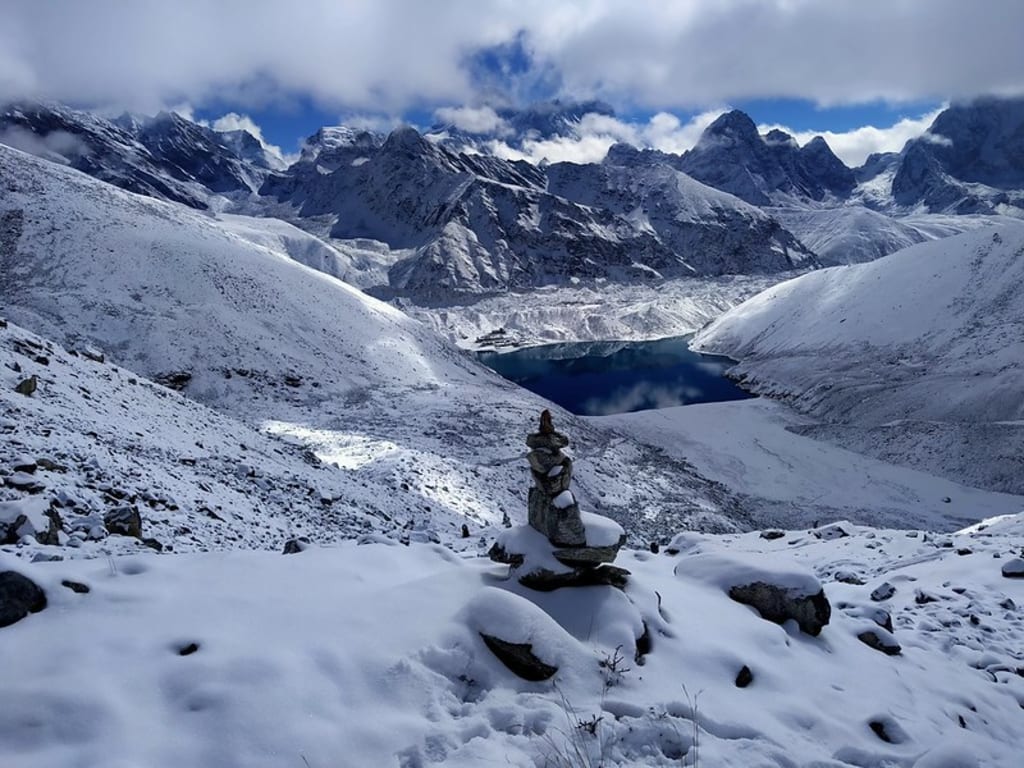
The Everest region of Nepal is full of famous trekking routes Everest Base Camp, Gokyo Lakes, and Tengboche Monastery. But hidden within these well-known trails lies one of the most challenging and breathtaking journeys in the Himalayas: The Three Passes Trek.
For trekkers who want more than just a glimpse of Everest, this route offers everything adventure, isolation, and views that redefine what it means to stand on top of the world.
A Trek Beyond Everest Base Camp
Most people dream of standing at Everest Base Camp (5,364m). The Three Passes Trek goes even higher and deeper into the mountains. It’s a full circuit that connects all the major valleys of the Khumbu region, crossing three high passes each over 5,000 meters.
These are not ordinary mountain passes.
They are massive, glacier-lined crossings that test endurance and willpower:
Kongma La (5,535m) – steep and rocky, with incredible views of Makalu and the Khumbu Glacier.
Cho La (5,420m) – a frozen pass connecting Everest Base Camp and Gokyo.
Renjo La (5,360m) – the most scenic, overlooking Everest, Gokyo Lakes, and the entire valley below.
Every pass feels like its own expedition. And every summit rewards you with silence, wind, and the endless horizon of the Himalayas.
The Journey: Step by Step
The trek usually begins with a short, scenic flight from Kathmandu to Lukla (2,860m) — a tiny airstrip clinging to the mountainside. From there, the path winds through pine forests, prayer flags, and small Sherpa villages.
Here’s what a classic Three Passes route looks like:
- Lukla to Phakding (2,610m) – gentle start along the Dudh Koshi River.
- Namche Bazaar (3,440m) – the Sherpa capital and a perfect place to rest and acclimatize.
- Tengboche and Dingboche (4,410m) – stunning views of Ama Dablam.
- Chhukung to Lobuche via Kongma La Pass (5,535m) – first major challenge.
- Everest Base Camp and Kala Patthar (5,545m) – up close with the highest mountain on Earth.
- Cross Cho La to Gokyo (4,790m) – icy trails and glacier crossings.
- Climb Gokyo Ri (5,357m) – panoramic views of Everest, Lhotse, and Cho Oyu.
- Cross Renjo La (5,360m) – descend to Thame and back to Namche.
- Total Duration: Around 17–20 days, depending on rest and weather conditions.
The Challenge
The Three Passes Trek is tough — let’s not sugarcoat it.
Days are long, climbs are steep, and altitude sickness is a real concern.
But it’s not just about being strong. Success depends on patience, preparation, and acclimatization. Trekkers often spend extra nights in Namche or Dingboche to help their bodies adjust.
You don’t need to be a mountaineer, but you should have some trekking experience. If you’ve completed trails like the Annapurna Circuit or Manaslu Circuit, you’re ready for this one.
When to Go
Timing is everything in the high Himalayas.
The best seasons are:
Spring (March–May): Warmer days, rhododendron blooms, and clear skies.
Autumn (September–November): Crisp air and stable weather — perfect for high passes.
Avoid the monsoon (June–August) when trails can be slippery, and snow may block the passes during deep winter (December–February).
Local Life Along the Trail
The trek is not just about peaks and passes.
It’s also about people. The Khumbu region is home to the Sherpa community, known for their kindness, strength, and deep Buddhist faith.
You’ll see colorful monasteries, spinning prayer wheels, and mani walls carved with sacred mantras. Every evening in a teahouse, you’ll share stories with other trekkers and feel the warmth of Sherpa hospitality over a bowl of dal bhat.
Teahouses and Food
Unlike camping expeditions, the Three Passes Trek follows a well-established teahouse route. These small lodges provide clean rooms, warm meals, and a cozy atmosphere.
You can expect simple food — rice, noodles, soup, pancakes, and momos.
Wi-Fi and hot showers are available in some areas for a small fee, but power is limited, so bring a power bank or solar charger.
Permits and Entry Requirements
You’ll need two main permits:
Sagarmatha National Park Entry Permit – NPR 3,000
Khumbu Pasang Lhamu Rural Municipality Permit – NPR 2,000
You can get these in Kathmandu or at the park entrance in Monjo.
If you go through a licensed trekking agency, they’ll manage all of this for you.
Staying Safe and Healthy
Altitude sickness (AMS) is the biggest risk on this trek.
To stay safe:
Ascend gradually and take rest days.
Stay hydrated — drink 3–4 liters of water daily.
Avoid alcohol or smoking at altitude.
If symptoms worsen, descend immediately.
Carrying Diamox (after consulting a doctor) can help prevent AMS.Cost of the Trek
The total cost depends on how you travel:
Independent trekkers: Around $30–40 per day
With local guide/agency: Around $1,500–2,000 total (including permits, accommodation, and domestic flights)
Hiring a guide or porter adds safety and makes the journey more enjoyable especially when crossing the high passes.
Packing Essentials
Down jacket and warm layers
Trekking boots and poles
Sleeping bag rated to –15°C
Reusable water bottle
Sunscreen, sunglasses, and gloves
First aid and water purification tablets
Pack light — the higher you go, the more every gram counts.
How It Feels to Finish
Crossing Renjo La, the final pass, is emotional. The exhaustion fades as you look back at the peaks you’ve crossed — Everest, Lhotse, Cho Oyu — and realize what you’ve achieved.
It’s a trek that humbles you and strengthens you at the same time. You don’t just walk through the Himalayas — you become part of them.
Final Thoughts
The Three Passes Trek is the ultimate test for trekkers who want to go beyond the classic Everest Base Camp route. It demands physical strength and mental determination but rewards you with unmatched beauty and peace.
If you want a journey that feels truly earned, this is the one.
About the Creator
Ester Mardy
Love to Travel Treks and Hike in this Beautiful World. Lets Join Together for nature mother.
Keep reading
More stories from Ester Mardy and writers in Wander and other communities.
Everest 3 Pass Trek in Nepal Where Altitude Tests You and Attitude Guides You
High in the Himalayas lies a trail unlike any other. It’s not just a trek. It’s a journey into the heart of Nepal’s rugged beauty, across three challenging mountain passes Kongma La, Cho La, and Renjo La. They test more than your fitness. They test your mindset. This is the Everest 3 Pass Trek, where every step brings you closer not just to the peaks, but to your inner strength.
By Ester Mardy11 months ago in Wander
Worth the Wait: Puerto Viejo, Costa Rica
Beach bumming in a small Caribbean beach town sounded like a perfect way to end our 6-month trip through Mexico and Central America. Or so we thought. The foul, fishy stench of rotten seaweed hit our nostrils as we stepped from the cramped bus and looked out at a rather depressing, empty, and underwhelming black sand beach. It was pouring with rain, and we had to quickly fish out our ponchos. We thought, this couldn’t be it, could it?
By Sh*t Happens - Lost Girl Travel9 days ago in Wander
Fun Times at Globe Life Field: Part 2
Last month, I took a trip to my hometown of Arlington, Texas. It was the first time in nearly 15 years I've been back to the place that I grew up. During the two days I was there, I did some sight-seeing and was highly impressed with how much has changed the last time I was there, which was 2011. On the last day of my trip, I took part in a premium stadium tour at Globe Life Field, the home of the Texas Rangers. It was my first time there and was with a small group of people on the tour. I've discussed the things I've seen during the hour and a half tour in my previous story, which you can read down below. After the tour concluded, I went outside and took even more snapshots. I'll go over some of the images, individually and in collage form.
By Mark Wesley Pritchard 2 days ago in Wander
Sometimes It's Like That and That'sThe Way It Is
It was the late 1960s, and ten-year-old Gloria Coleman was standing with her grandmother on the side of the highway waiting for the bus. As the Greyhound pulled up, it seemed monstrous and intimidating. Grandma Elizabeth grabbed Gloria's hand, holding it tightly as they boarded.
By Cheryl E Prestona day ago in Fiction



Comments
There are no comments for this story
Be the first to respond and start the conversation.