
Things to Carry for Kodachadri Trek: Essential Packing Tips
Here’s a complete guide to what to carry for Kodachadri Trek, with practical tips, local insights, and budgeting advice.
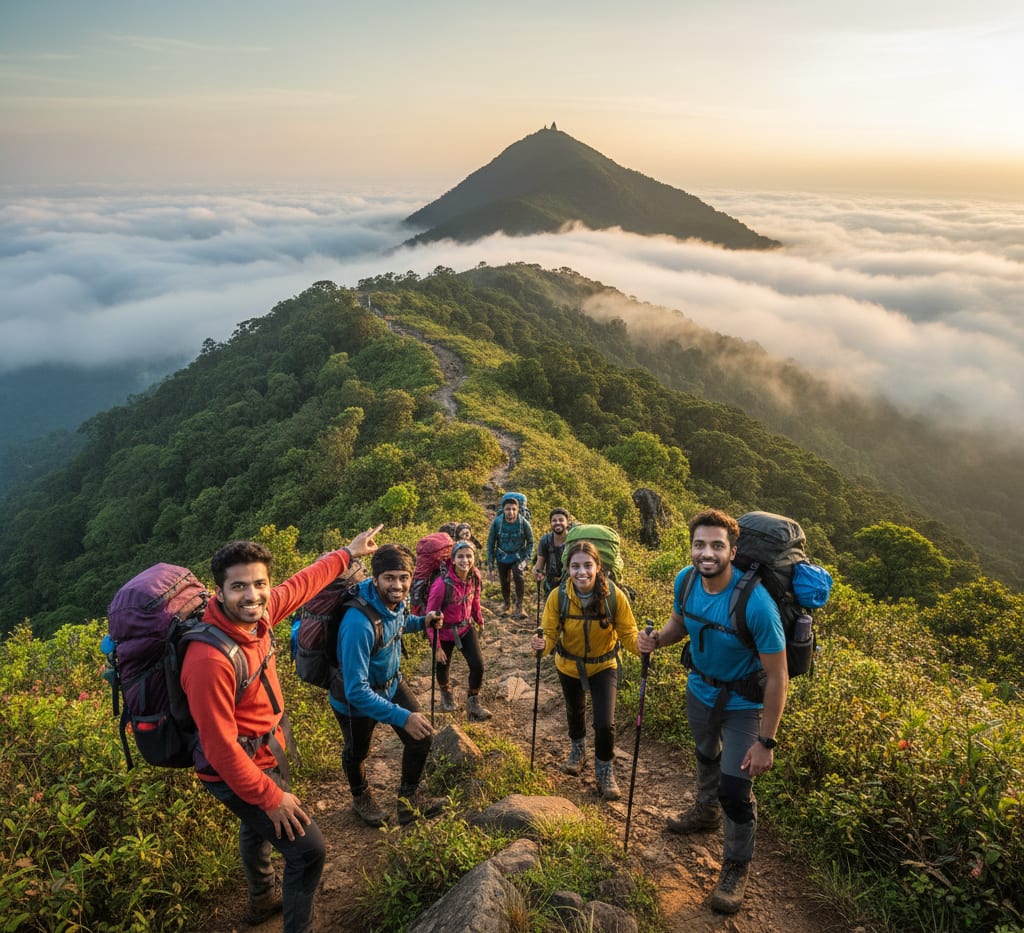
If you’ve been dreaming of trekking through misty forests, walking along streams, and witnessing breathtaking views from the Western Ghats, the Kodachadri Trek should be at the top of your list. Known for its lush green forests, hidden waterfalls, and the iconic Mookambika Temple, Kodachadri offers an unforgettable adventure for trekkers of all experience levels.
But before you set off, packing the right essentials is crucial. From safety to comfort, the right gear can make your trek not just doable, but truly enjoyable. Here’s a complete guide to what to carry for Kodachadri Trek, with practical tips, local insights, and budgeting advice.
Why Proper Packing Matters
Kodachadri is a trek that blends moderate difficulty with unpredictable weather. The forest trails can get muddy, streams may swell after rains, and temperatures can fluctuate between the base village and the peak.
Carrying the wrong gear can lead to:
Slippery or unsafe trekking experiences.
Discomfort due to rain, heat, or humidity.
Missing out on capturing the trek’s scenic beauty.
Packing thoughtfully ensures you enjoy every part of the trek—from walking through dense forests to taking in the panoramic view from the summit.
Clothing Essentials for Kodachadri Trek
The weather in Kodachadri is mostly cool and humid, with misty mornings and occasional rain showers. Here’s what worked best for me:
Lightweight, quick-dry clothing: Avoid cotton; it retains moisture. T-shirts and trekking pants made of synthetic or moisture-wicking fabric are ideal.
Layering: A light fleece or jacket helps during early mornings or higher elevations.
Rain gear: A compact raincoat or poncho is a must, especially during monsoon (June–September).
Extra socks: Wet or muddy trails are common. Carry at least one extra pair.
Comfortable trekking shoes: Shoes with good grip are essential to tackle muddy paths and rocky sections.
Local tip: Avoid flashy or brightly colored clothes if you want to spot wildlife—they’re shy and respond better to muted colors.
Backpack and Day-Pack Essentials
Your backpack should be light, compact, and comfortable, ideally around 20–25 liters. Overpacking can tire you out quickly. Here’s what I kept in mine:
Water bottle or hydration pack: Staying hydrated is key; streams along the trail may not always be potable.
Snacks and energy bars: Trail mix, chocolate, or fruit help maintain energy levels.
First-aid kit: Include bandages, antiseptic, painkillers, and any personal medication.
Map or offline GPS: While guides are available, having a backup ensures you don’t get lost.
Phone & power bank: For navigation and capturing memories.
Trash bag: To carry back any waste—Kodachadri is pristine, and keeping it clean is vital.
Tip: A rain cover for your backpack is extremely useful during monsoon treks.
Essential Trekking Gear
While the trail is moderate, some gear makes your experience safer and more comfortable:
Trekking poles: Especially helpful on steep or slippery stretches.
Headlamp or flashlight: Early morning or late afternoon trekking may require additional light.
Sunglasses and sunscreen: Even on cloudy days, UV rays can affect exposed skin.
Insect repellent: Kodachadri forest is home to mosquitoes and leeches, particularly during monsoon.
Towel or quick-dry cloth: Useful after rain or stream crossings.
Local tip: If you’re trekking in monsoon, carry a small packet of salt—it helps remove leeches quickly.
Nearby Attractions and Extra Essentials
Kodachadri isn’t just about the trek. There are several nearby attractions worth planning for:
Mookambika Temple: A spiritual stop, especially for early morning trekkers.
Hidlumane Waterfalls: A detour from the main trail, offering a refreshing view.
Shettyhalli Ruins and Ghats: Scenic spots on the way back to your base.
If you plan to explore these areas, consider packing:
Comfortable slip-on shoes for temples or ruins.
Extra snack supplies for the day.
Camera with waterproof cover to capture waterfalls and landscapes.
Suggested Itinerary and Safety Tips
Here’s a simple plan for a one-day Kodachadri trek:
6:00 AM: Start from the base village.
6:30–9:30 AM: Trek through forest trails, crossing streams and small waterfalls.
9:30–10:00 AM: Reach the Mookambika Temple summit; take in panoramic views.
10:00–11:00 AM: Explore nearby viewpoints and photo spots.
11:00 AM–1:00 PM: Descend carefully to the base.
Safety tips:
Stick to the main trail; wandering off can be risky.
Keep your gear light to avoid fatigue.
Hire a local guide if unfamiliar with the trail—costs are reasonable, around ₹500–₹700.
Avoid trekking alone, especially during monsoon or post-monsoon.
Budgeting Your Kodachadri Trek
The trek is relatively affordable:
Guide: ₹500–₹700 per group.
Transport: ₹300–₹1,000 depending on your base city (Shimoga, Udupi, or Mangalore).
Food & snacks: ₹200–₹400.
Entry/Temple donations: Minimal, optional.
Overall, a day trek can be done comfortably under ₹2,000 per person while ensuring safety and comfort.
Final Thoughts
Packing for the Kodachadri trek is all about balancing comfort, safety, and lightness. The forest trails, streams, and waterfalls are an experience you want to fully enjoy—not struggle through because of poor preparation.
From lightweight clothing and sturdy trekking shoes to hydration, snacks, and first-aid essentials, each item plays a role in making your trek memorable. Combine this with knowledge of nearby attractions, safety measures, and a bit of local insight, and you’re ready for a truly magical journey through the Western Ghats.
About the Creator
Rohit SEN
Hey! Come along with me to explore beautiful places, learn about different cultures, and share my adventures. Let's Explore together! From a travel lover!
Worth the Wait: Puerto Viejo, Costa Rica
Beach bumming in a small Caribbean beach town sounded like a perfect way to end our 6-month trip through Mexico and Central America. Or so we thought. The foul, fishy stench of rotten seaweed hit our nostrils as we stepped from the cramped bus and looked out at a rather depressing, empty, and underwhelming black sand beach. It was pouring with rain, and we had to quickly fish out our ponchos. We thought, this couldn’t be it, could it?
By Sh*t Happens - Lost Girl Travel8 days ago in Wander
Fun Times at Globe Life Field: Part 2
Last month, I took a trip to my hometown of Arlington, Texas. It was the first time in nearly 15 years I've been back to the place that I grew up. During the two days I was there, I did some sight-seeing and was highly impressed with how much has changed the last time I was there, which was 2011. On the last day of my trip, I took part in a premium stadium tour at Globe Life Field, the home of the Texas Rangers. It was my first time there and was with a small group of people on the tour. I've discussed the things I've seen during the hour and a half tour in my previous story, which you can read down below. After the tour concluded, I went outside and took even more snapshots. I'll go over some of the images, individually and in collage form.
By Mark Wesley Pritchard a day ago in Wander



Comments
There are no comments for this story
Be the first to respond and start the conversation.