
Best Time to Visit Dudhsagar Waterfalls for a Trek: My Complete Guide
it’s a trek that leaves you awestruck. But if you’re planning your own adventure, knowing the best time to visit is crucial—not just for beauty, but also for safety and comfort.
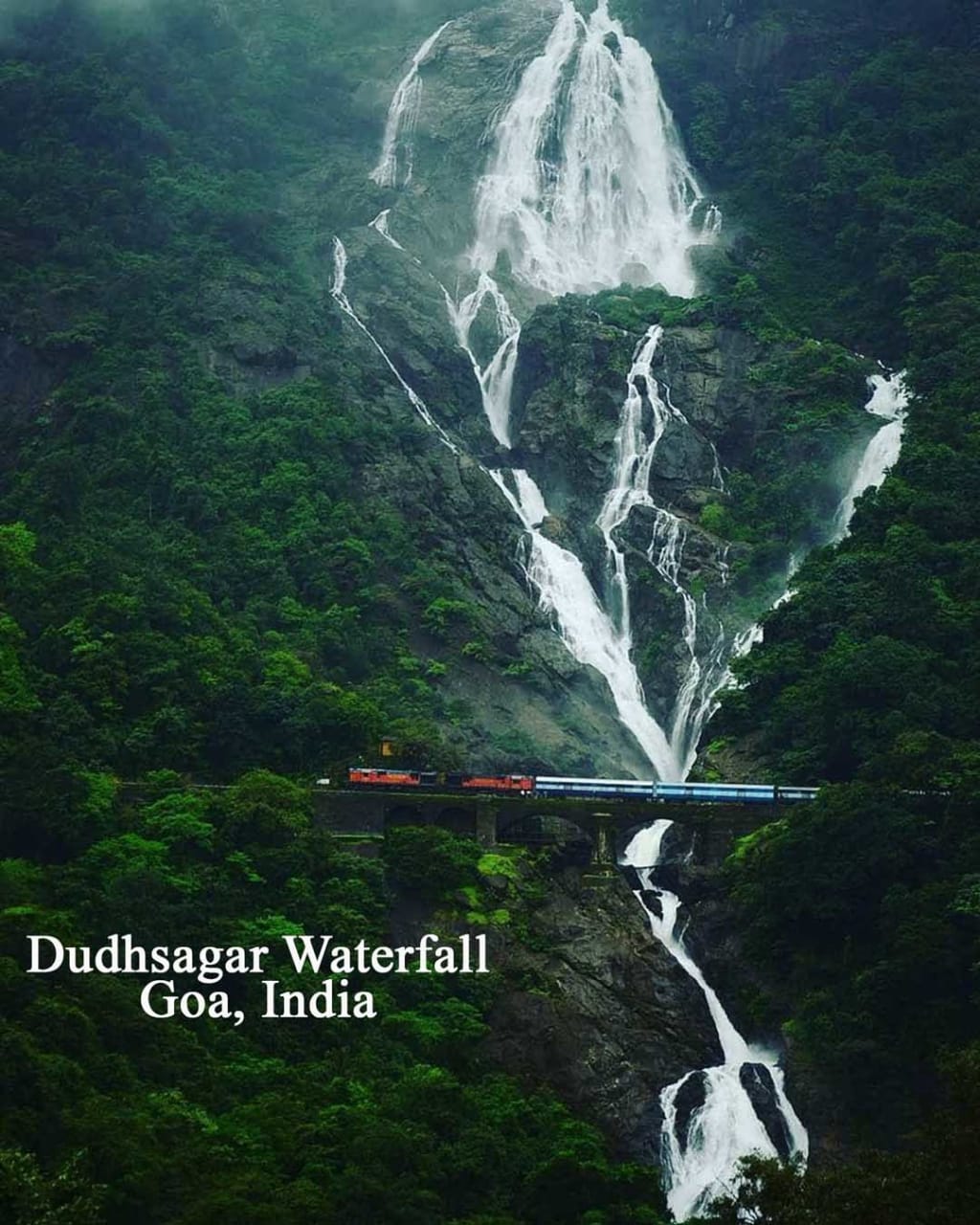
There are few sights as mesmerizing as Dudhsagar Waterfalls, one of India’s tallest and most picturesque waterfalls. Nestled on the border of Karnataka and Goa, this cascading marvel draws nature lovers, trekkers, and photographers from across the country. I recently trekked to Dudhsagar, and the experience was nothing short of magical. From lush greenery to roaring waters, it’s a trek that leaves you awestruck. But if you’re planning your own adventure, knowing the best time to visit is crucial—not just for beauty, but also for safety and comfort.
Here’s my detailed guide to help you make the most of your Dudhsagar trek.
Why Timing Matters for Dudhsagar Trek
Dudhsagar Waterfalls is seasonal in its grandeur. While it stands tall throughout the year, its volume, accessibility, and surrounding beauty change with the seasons. Visiting at the right time ensures:
Maximum water flow: For those iconic, milky-white cascades.
Safer trekking conditions: Some months can be slippery or risky.
Vibrant surroundings: Lush greenery, wildlife, and forest trails in their prime.
I learned this the hard way—visiting in the wrong month can make the trek less enjoyable and sometimes even unsafe.
Understanding the Seasons
Here’s a breakdown of what you can expect in each season:
Monsoon (June to September)
This is the ultimate time to witness Dudhsagar in its full glory. The waterfall transforms into a powerful torrent, gushing with life after heavy rains. The surrounding forest is lush and vibrant, and streams along the trek are brimming.
Pros:
Stunning, roaring waterfall.
Dense greenery and blooming forest.
Less crowded compared to winter peak season.
Cons:
Trails can be slippery and muddy.
Higher chances of leeches and insects.
River crossings may be challenging.
Tip: If trekking during monsoon, hire a local guide, wear waterproof shoes, and carry rain gear.
Post-Monsoon / Early Winter (October to December)
This is arguably the best combination of beauty and safety. The waterfall still has strong flow, but the trails are drier and safer. The forest remains lush, and wildlife sightings are easier in the clear weather.
Pros:
Strong waterfall flow.
Safer trails compared to monsoon.
Comfortable temperatures for trekking.
Cons:
Slightly higher crowd levels.
Early mornings can be misty or chilly.
Tip: Start your trek early to avoid afternoon heat and to capture the morning sunlight on the falls.
Winter (January to February)
Winter brings cooler weather and clear skies. The waterfall’s flow reduces, but the trek becomes easier. It’s perfect for trekkers prioritizing comfort over intensity.
Pros:
Easy trekking conditions.
Clear skies for photography.
Pleasant temperatures.
Cons:
Water flow may be less impressive.
Surrounding forest may not be as lush.
Summer / Pre-Monsoon (March to May)
This is the least recommended period for a Dudhsagar trek. The waterfall may be a trickle, trails dry and dusty, and temperatures can be high. However, if you’re short on time, it’s still doable with proper planning.
How to Reach Dudhsagar Waterfalls
Reaching Dudhsagar requires some planning, especially if you’re trekking:
By Train: The nearest railway station is Kulem, a hub for starting the trek. Trains from Mumbai, Goa, and other cities stop here.
By Road: From Goa, take the NH66 highway toward Kulem. Public transport is limited; taxis or self-drive are better options.
Trek Start Points: Most treks begin from Kulem or Castle Rock, depending on the route. Guides are available to ensure safety and smooth navigation.
Trekking Experience and Trail Tips
The Dudhsagar trek is moderate but requires preparation:
Distance: Approximately 12–15 km round trip, depending on the trail.
Trail: Forest paths, rocky sections, and stream crossings make it a mix of fun and challenge.
Flora & Fauna: Expect dense forests, birds, butterflies, and sometimes monkeys along the trail.
Photography: The waterfall, forest, and rail tracks offer countless photo opportunities.
Local Tips:
Carry sufficient water and snacks.
Wear sturdy trekking shoes.
Pack waterproof gear if trekking in monsoon.
Hire a local guide for safety and insights.
Respect nature—avoid littering, and don’t swim in restricted areas.
Nearby Attractions to Explore
If you have extra time, consider visiting:
Spice Plantations near Kulem: Learn about Goa’s spice heritage.
Tambdi Surla Mahadev Temple: A 12th-century temple hidden in the forest.
Bhagwan Mahaveer Wildlife Sanctuary: Ideal for nature lovers and wildlife enthusiasts.
Goa Beaches: Relax after your trek with some sun and sand.
Combining a trek with these attractions makes for a well-rounded weekend or 2-day adventure.
Budgeting Your Dudhsagar Trek
A one-day trek from Goa or Kulem is quite affordable:
Transport: ₹500–₹1,000 (shared taxi or local transport).
Guide: ₹500–₹700 per group.
Food & Water: ₹200–₹400.
Entry Fees: Minimal, depending on trail or forest department rules.
Overall, the trek can be done comfortably under ₹2,000 per person, making it an accessible yet unforgettable adventure.
Final Thoughts
From the first step on the trail to standing beneath the roaring waterfall, Dudhsagar is an experience that combines thrill, nature, and serenity. The best time to visit depends on whether you prioritize spectacular water flow (monsoon), safer trekking conditions (post-monsoon), or comfort and clear skies (winter).
Personally, I found late monsoon or early post-monsoon to be ideal—the falls are mighty, the forest is lush, and the trail is manageable. If you plan carefully, respect nature, and prepare for the terrain, the Dudhsagar trek can easily become one of your most cherished adventures.
So pack your backpack, lace up your trekking shoes, and set off toward the cascading magic of Dudhsagar Waterfalls—it’s a journey worth every step.
About the Creator
Rohit SEN
Hey! Come along with me to explore beautiful places, learn about different cultures, and share my adventures. Let's Explore together! From a travel lover!
Worth the Wait: Puerto Viejo, Costa Rica
Beach bumming in a small Caribbean beach town sounded like a perfect way to end our 6-month trip through Mexico and Central America. Or so we thought. The foul, fishy stench of rotten seaweed hit our nostrils as we stepped from the cramped bus and looked out at a rather depressing, empty, and underwhelming black sand beach. It was pouring with rain, and we had to quickly fish out our ponchos. We thought, this couldn’t be it, could it?
By Sh*t Happens - Lost Girl Travel6 days ago in Wander




Comments
There are no comments for this story
Be the first to respond and start the conversation.