
The World of Japanese 'ya' Cuisine
Exploring Japan’s Specialty Dining Culture, One Dish at a Time

Japan Travel Tips: Dining
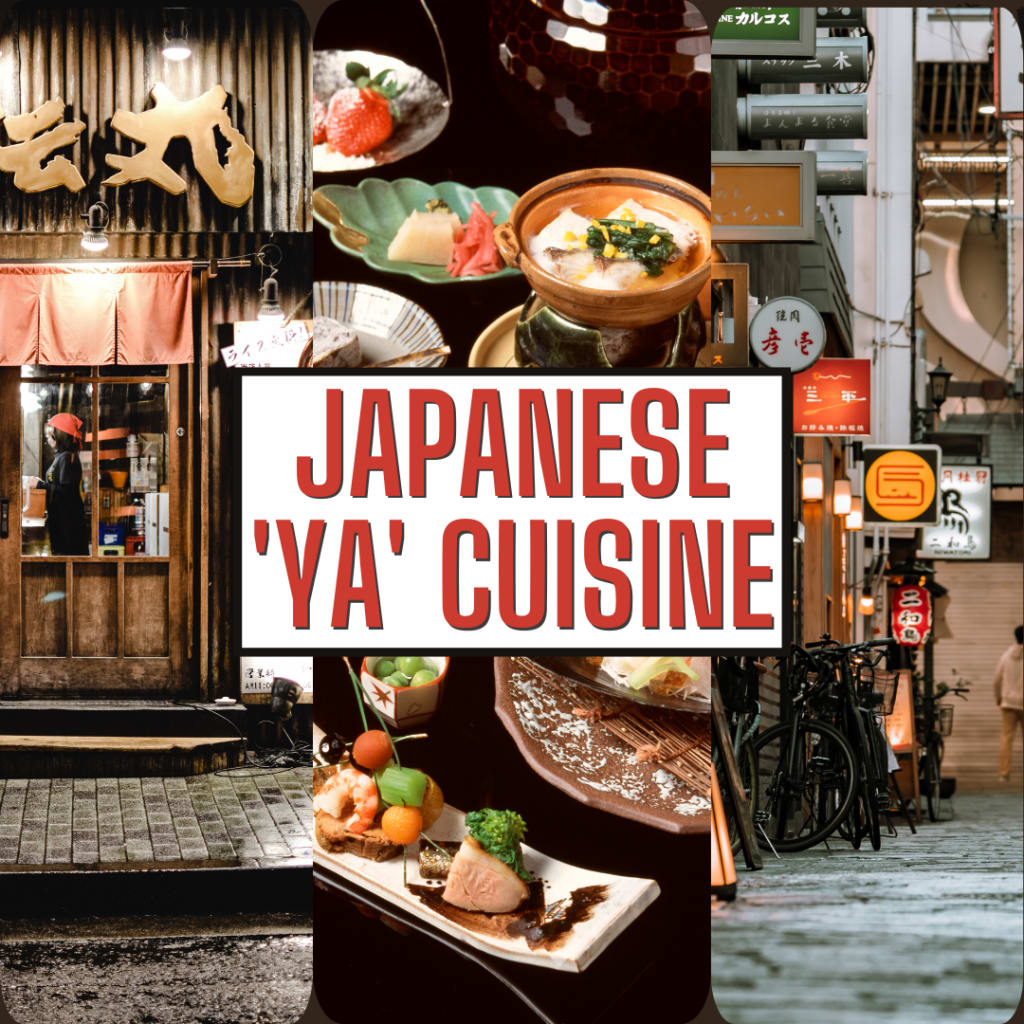
Japan’s dining scene is a mosaic of specialized eateries known as "ya," where artisanal cuisine is elevated to an art form across the country. From the delicate precision of a sushi-ya to the bustling energy of an izakaya, these establishments are found in every region, each mastering a singular food experience passed down through generations. The diversity within Japan’s "ya" culture invites diners to explore culinary techniques, history, and local traditions, making every meal a deep dive into the nation’s gastronomic identity.
Sushi-ya: The Art of Minimalism
In the understated world of a sushi-ya, precision is everything. The chef, often trained for years, uses only the freshest fish, pairing it with vinegared rice to create bite-sized perfection. There’s no need for frills; every detail—temperature, texture, presentation—speaks of a lifelong dedication to simplicity and balance. These establishments are a celebration of the ocean, with a focus on seasonal catches and a devotion to elevating the natural flavors of fish and rice.
Ramen-ya: Bold, Hearty Flavors
Ramen-ya is where bold flavors and comforting simplicity collide. Here, diners slurp down bowls of steaming ramen, each crafted with regional nuance—be it the creamy pork-bone broth of tonkotsu or the soy-sauce-based richness of shoyu. The ramen-ya embodies Japanese street food culture but adds a layer of culinary mastery. Chefs in these bustling spaces often focus on perfecting a single element, like handmade noodles or an iconic broth, creating an experience where every spoonful delivers complexity.
Izakaya: The Heartbeat of Urban Japan
Izakayas are the lifeblood of Japan’s social dining culture. These lively, casual pubs serve a variety of small plates designed to be shared, from skewers of grilled chicken (yakitori) to savory pancake-like dishes such as okonomiyaki. Patrons come for the food but stay for the atmosphere—a buzzing blend of conversation, drinks, and the comforting warmth of grilled delights. Whether it’s a post-work hangout or a late-night dive into regional snacks, the izakaya is where you’ll find the heart of Japanese dining culture.
Tempura-ya: The Delicate Art of Frying
For a lesson in culinary precision, a visit to a tempura-ya is essential. Here, delicate pieces of seafood and vegetables are encased in a whisper-thin layer of batter, then fried to crispy perfection. The key lies in the lightness, allowing the natural flavors of each ingredient to shine. Served with simple accompaniments like grated radish and dipping sauce, tempura embodies the Japanese philosophy of letting the ingredients speak for themselves.
Udon-ya and Soba-ya: Comfort in a Bowl
At udon-ya and soba-ya, the focus is on Japan’s iconic noodles. Udon, thick and chewy, is typically served in a hot broth or chilled with a dipping sauce. Soba, made from buckwheat, offers a lighter, earthier flavor. Both types of noodles are comforting staples of Japanese cuisine, served with minimal fanfare but packing layers of umami in their broths and toppings. These simple yet refined dishes often reflect the changing seasons, with ingredients that mirror the time of year.
Kaiseki: Culinary Theater
While not a "ya" in name, kaiseki dining is perhaps the pinnacle of Japanese culinary tradition. A multi-course meal that changes with the seasons, kaiseki is a showcase of technique, balance, and presentation. Each course is meticulously crafted to highlight the beauty of Japan’s ingredients, from fresh fish to delicate vegetables. The experience is immersive, often set in serene, traditional environments that add to the ritual of dining.
Yakitori-ya: Grilled Perfection
Yakitori-ya are temples of grilled chicken. Here, diners can choose from various cuts, from tender thigh to crispy skin, all skewered and grilled over charcoal. This is a place where simplicity reigns, with the focus on the balance of smoke, seasoning, and the natural flavor of the meat. In a yakitori-ya, the experience is as much about the craftsmanship of the grill master as it is about the vibrant, informal atmosphere.
Okonomiyaki-ya: A Taste of Osaka and Hiroshima's Soul
In Osaka, the birthplace of okonomiyaki, a visit to an okonomiyaki-ya is a culinary adventure. These savory pancakes, filled with cabbage, pork, or seafood, and topped with tangy sauce and bonito flakes, represent the city’s vibrant food scene. Over in Hiroshima, okonomiyaki takes on a layered approach, often including noodles and a fried egg, creating a heartier version of the dish. Both styles embody the warmth and community spirit of their respective regions, served piping hot off the griddle.
Chanko Nabe: Hearty Fare of Japan’s Sumo Wrestlers
Chanko nabe, a protein-packed hot pot, is a staple in the diet of Japan’s sumo wrestlers. Traditionally prepared in sumo stables, this dish is designed to fuel athletes with a variety of vegetables, tofu, and proteins like chicken or fish. Often shared communally around a large pot, chanko nabe reflects the values of nourishment and camaraderie. Outside the sumo world, many restaurants now specialize in this dish, offering the public a taste of this rich, hearty meal associated with strength and vitality.
Robatayaki: A Fireside Feast
Robatayaki, or "fireside cooking," is a rustic Japanese grilling style that takes place over hot coals. Patrons are seated around an open hearth, where chefs use long paddles to grill and serve a variety of skewered meats, seafood, and vegetables. Robatayaki not only focuses on the quality of ingredients but also emphasizes the communal and interactive experience between chef and diner. The slow, deliberate grilling process allows the natural flavors of the ingredients to develop, making robatayaki a feast for both the senses and the soul.
Begin your journey to fluency—access free daily podcasts with JapanesePod101.com.
A Journey Through Japan’s Culinary Soul
Japan’s culinary landscape is best understood through its specialized "ya" establishments—venues dedicated to mastering singular dishes or styles. From the meticulous precision of sushi-ya, where each piece is a minimalist masterpiece, to the warm and bustling atmosphere of an izakaya, where small plates and sake bring friends together, each "ya" represents a deep-rooted tradition. Dive into the crispy elegance of tempura-ya, savor the bold broths of a ramen-ya, or indulge in the casual warmth of yakitori-ya, where the grill transforms simple ingredients into unforgettable flavors.
At the heart of this dining experience is the kaiseki meal, a refined, multi-course presentation of seasonal ingredients that showcases the pinnacle of Japanese artistry and balance. Whether it’s the chewy noodles of an udon-ya or the hearty pancake-like okonomiyaki from Osaka, each "ya" serves as a portal to Japan’s gastronomic soul.
Exploring these eateries is more than a meal—it’s an immersion into Japan’s culinary heritage, where passion and precision come together in every dish.
Affiliate Disclosure: This article contains affiliate links. If you make a purchase through these links, Kansai Fixer may earn a small commission at no extra cost to you. The inclusion of these links does not influence the recommendations made in this article.
About the Creator
Kansai Fixer
Founded in Japan in 2012, Kansai Fixer offers immersive travel and lifestyle experiences worldwide. We provide expert insights and curated guides to help you explore destinations with authenticity and deeper connections.
Keep reading
More stories from Kansai Fixer and writers in Wander and other communities.
Kaiseki Ryori: The Art of Dining
The Art of Seasonal Japanese Dining, One Course at a Time There are meals, and then there are experiences. Kaiseki Ryori (懐石料理)—Japan’s high art of dining—is undoubtedly the latter. Rooted in centuries of tradition, a meal at a Kaiseki restaurant offers more than just food; it provides a meditative journey through Japan’s seasons, ingredients, and culinary philosophy. This multi-course dining experience is the epitome of Japanese gastronomy, where every dish is crafted with meticulous care and presented with the precision of a fine art exhibition.
By Kansai Fixerabout a year ago in Feast
Worth the Wait: Puerto Viejo, Costa Rica
Beach bumming in a small Caribbean beach town sounded like a perfect way to end our 6-month trip through Mexico and Central America. Or so we thought. The foul, fishy stench of rotten seaweed hit our nostrils as we stepped from the cramped bus and looked out at a rather depressing, empty, and underwhelming black sand beach. It was pouring with rain, and we had to quickly fish out our ponchos. We thought, this couldn’t be it, could it?
By Sh*t Happens - Lost Girl Travel9 days ago in Wander
What Hidden Costs Should You Know in Armenia Tour Packages?
Booking Armenia Tour Packages is one of the easiest ways to explore this beautiful Caucasus destination. Many travel packages include hotels, transfers, and sightseeing tours, making travel convenient and organized. However, travelers should also be aware that some hidden costs may not always be included in the initial price.
By Viacation Tourism4 days ago in Wander
Hottest in the Office
Dear Rafi, You’re very distracting to work around. For the first second I saw you the other day, I thought you were some type of executive. It took a moment to realize no, you were just the new guy, dressed up for the job he wants. Be still, my heart.
By Gabriel Shames4 days ago in Pride




Comments
There are no comments for this story
Be the first to respond and start the conversation.