
The Ultimate Journey to the World's Highest Peak: The Everest Expedition
"Conquer the Heights and Experience the Adventure of a Lifetime"

For climbers everywhere, the Everest Expedition is the ultimate goal. The world's tallest mountain, Mount Everest (8,848.86 meters), requires not only physical stamina but also mental toughness and resolve to climb. This legendary voyage takes travelers through the breathtaking Himalayas, where the awe-inspiring scenery, the vibrant Sherpa culture, and the personal struggle of reaching the summit of Everest come together to create an experience of a lifetime.
The Everest Expedition's Challenge
Situated in the Himalayan sub-range of Mahalangur Himal, Mount Everest shares a border with Tibet and Nepal. It takes months of planning, acclimatization, and skillfully negotiating the treacherous terrain of glaciers, crevasses, and icefalls to reach the peak of this enormous effort.
The average duration of the trip is 60–70 days, during which time the body is acclimated to different elevations to get ready for the harsh circumstances of high-altitude mountaineering. Though some climbers attempt the ascent from the north side through Tibet, the most popular route is via the South Col, which begins in Nepal.
Important Stages in the Everest Journey
1. Getting ready and reaching Kathmandu:
Preparation and securing the required permits are the first steps in the journey. Upon arrival in Nepal's capital, Kathmandu, climbers often arrange their equipment, greet the expedition crew, and discuss the logistics of their trip. The Nepalese government issues various permissions, such as the Sagarmatha National Park Entry Permit, and the Everest Climbing Permit.
2. The Journey from Lukla to Everest Base Camp (EBC):
The journey begins with a flight from Kathmandu to Lukla, one of the most well-known airports in the world. Climbers set off from Lukla to hike towards Everest Base Camp (5,364 meters) across the Khumbu Valley. This seven to ten day trip passes through Sherpa settlements such as Tengboche and Namche Bazaar.
Trekkers get to know the hospitality and culture of the Sherpas along the trip, stopping at historic Buddhist monasteries and taking in breathtaking views of mountains like Ama Dablam, Lhotse, and Everest itself.
3. Getting used to the Everest Base Camp climate:
Climbers acclimate to Everest Base Camp over the course of several weeks. In order to avoid acute mountain sickness (AMS), one must gradually adjust to the thin air and harsh conditions at high altitudes. Climbers rotate between Base Camp and higher camps during this time, returning to Base Camp after each ascent to give their bodies a chance to adjust.
4. The Icefall at Khumbu:
Between Base Camp and Camp 1 (6,065 meters), the Khumbu Icefall is a continually shifting glacier and one of the most dangerous parts of the Everest Expedition. Climbers have to make their way through a labyrinth of steep ice seracs and crevasses; they frequently use ladders to span very deep chasms. Because avalanches and ice collapses can happen suddenly, this region needs to be approached with extreme caution.
5. Making Our Way Through the Camps:
Climbers rise steadily to Camp 2 (6,400 meters) in the Western Cwm, a large glacier valley, after arriving at Camp 1. Camp 3 (7,200 meters) is the next destination from Camp 2, situated atop the Lhotse Face, a precipitous cliff of rock and ice.
Climbers start utilizing extra oxygen at Camp 3 as the air gets dangerously thin. The next objective is Camp 4, the last staging area before the summit assault, located at 7,950 meters in the South Col. Climbers reach the "death zone" at this altitude, where there is not enough oxygen in the air to sustain life for an extended period of time.
The Ascent Movement:
In the dark of night, the last ascent leaves Camp 4. Climbers make their way up the last ridge to the summit of Mount Everest, traverse the South Col, and cross the Hilary Step. Attaining the top is the culmination of weeks of training and acclimatization.
Climbers are rewarded with an amazing perspective of the world below from their perch at 8,848.86 meters. Although there is a huge sense of accomplishment, it is just momentary because the descent is as dangerous and needs to be finished quickly to prevent the fatal effects of exposure to high altitude.
The Drop:
Once at the top, the descent takes a great deal of concentration and endurance. Because climbers are exhausted and oxygen-starved, the majority of accidents on Everest happen on the descent. While the trip back through the camps is frequently quicker, there is still a high level of risk.
Important Everest Expedition Highlights
Reaching the Summit of the World:
For each mountaineer, reaching the peak of Mount Everest represents the pinnacle of achievement. It represents not only one's own triumph but also the achievement of years of hard work, discipline, and determination.
Sherpa Culture and Hospitality:
Along the trek to Everest Base Camp, climbers encounter the warm and welcoming Sherpa people. The Sherpas, native to the Khumbu region, are known for their incredible strength, climbing prowess, and deep connection to the mountains. Their knowledge and support are vital to the success of any Everest expedition.
Magnificent Views:
Climbers are rewarded to breathtaking vistas of the Himalayas, which include peaks like Lhotse, Makalu, and Cho Oyu, during the journey. Along with breathtaking glaciers, steep valleys, and high-altitude passes, the Everest region offers a visually beautiful and physically demanding experience.
Spiritual Meetings:
The Everest adventure is a profoundly spiritual one. Before beginning their ascent, climbers frequently stop at Tengboche Monastery, a revered Buddhist location in the Khumbu Valley, where they are blessed. The trail is dotted with prayer flags, stupas, and mani walls, which give the surroundings a feeling of reverence.
Ideal Time to Climb Mount Everest
Pre-monsoon spring (April–May) and post-monsoon fall (September–October) are the ideal seasons to try the Everest Expedition. Though spring is the most popular season with the highest number of successful summits, these times offer more consistent weather.
In summary
For climbers everywhere, the Everest Expedition represents the ultimate challenge. It blends mental toughness, physical stamina, and a strong bond with the Himalayas' scenic and cultural splendor. Climbing Mount Everest is an activity unlike any other—one that leaves enduring memories and permanently changes those who undertake it, whether they are motivated by the thrill of adventure or the urge to reach the highest mountain on Earth.
About the Creator
Keep reading
More stories from bright vibes and writers in Wander and other communities.
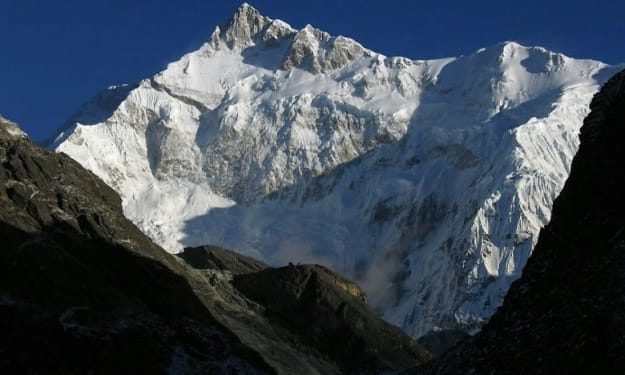
Kanchenjunga Trek
Situated at the intersection of Nepal, India, and Tibet, the third-highest peak on Earth, Kanchenjunga (8,586m), is tucked away in the remote eastern Himalayas. A treasure for daring hikers, the Kanchenjunga Trek offers an unmatched experience of pristine nature, inaccessible landscapes, and rich cultural heritage—despite not being as well-known as Everest or Annapurna. This hike rewards those seeking isolation and unadulterated beauty in nature, but it's not for the weak of heart.
By bright vibesabout a year ago in Wander
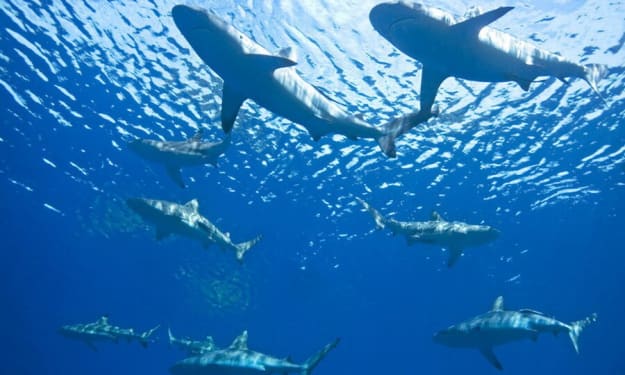
Why Hanifaru Bay is a Dream Destination for Marine Life Enthusiasts
Hanifaru Bay, situated in the Baa Atoll in the Maldives, is one of the earth's most bizarre protected marine areas. This protected zone has a special reputation for the annual visitation of mantas and whale sharks and provides a chance for a nature enthusiast to explore the wonders of the ocean.
By ameliarosanna4 days ago in Wander
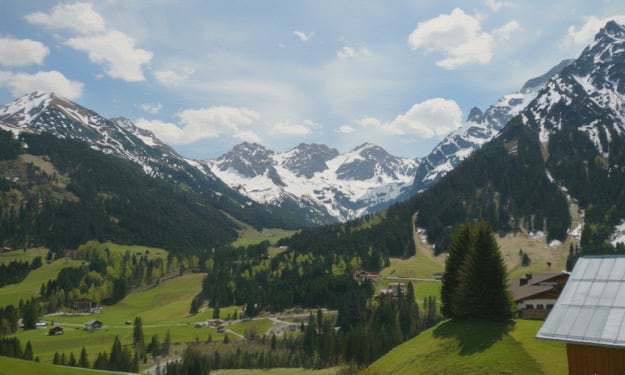
A Mountain Overture Beneath the Alps
I met this mountain feast at dawn, the moment I pushed open the window. The wind rushed in, carrying the damp scent of pine needles and fresh grass. Lifting my eyes, I saw the Alps stretching their boundless arms in the morning light. The distant peaks wore crowns of silver, their snow gleaming with a sacred glow beneath the rising sun. Dark gray mountain faces, like ancient books worn smooth by time, stood in silent devotion, bearing this purity upon their backs.
By CeeCee Yan3 days ago in Wander

Comments
There are no comments for this story
Be the first to respond and start the conversation.