
The Ultimate Journey to Nepal's Remote Frontier: The Kanchenjunga Trek Guide
Trek to Kanchenjunga
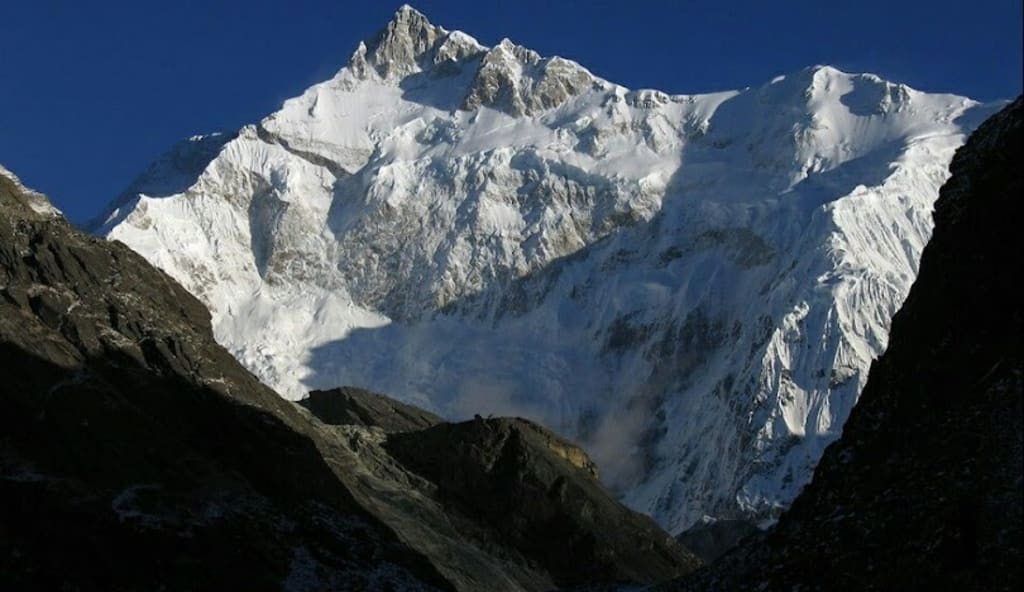
Trekkers can experience the breathtaking Kanchenjunga trip in eastern Nepal, which brings them in close proximity to Mount Kanchenjunga, the third-highest mountain in the world (8,586 meters). Set in one of the most isolated and pristine areas of the nation, this less-traveled hike provides unmatched natural splendor, ranging from verdant woods to untamed alpine landscapes. Adventurers seeking isolation, cultural immersion, and a variety of ecosystems will find the expedition ideal. This is a comprehensive handbook for anyone considering the Kanchenjunga hike.
Kanchenjunga Trek Overview
- Eastern Nepal, next to Sikkim, India
- Time frame: 20–24 days
- Strenuous is the level of difficulty.
- At Pangpema, the highest elevation is 5,160 meters.
- March through May and September through November are the best seasons.
- Required Permits: TIMS card, Kanchenjunga Conservation Area Permit (KCAP), and restricted area permit
Due to the lengthy walking days, high elevations, and isolated terrain, the Kanchenjunga trek is best suited for seasoned hikers. When the weather is calm and the skies are bright, the finest times of year to journey here are from March to May in the spring and September to November in the fall.
Highlights of the Trek
- Kanchenjunga North and South Base Camps: Situated on opposing sides of the mountain, these base camps offer stunning views of Kanchenjunga.
- Rich Cultural Diversity: Discover the distinctive customs of the Sherpa, Rai, and Limbu people who reside in isolated villages around the area.
- Pristine Nature: Home to endangered animals including the blue sheep, snow leopard, and red panda, the Kanchenjunga Conservation Area is a center for biodiversity.
- Magnificent Variety of Landscapes: The hike passes through high-altitude mountain passes, glacial rivers, alpine meadows, and rhododendron forests.
The itinerary for the Kanchenjunga Trek
Usually, the journey to Kanchenjunga starts in Taplejung, which is accessible by plane to Bhadrapur and then by car. A typical itinerary could consist of:
- Day 1: Drive to Taplejung from Kathmandu to Bhadrapur
- Drive to Taplejung, the primary entry point to the Kanchenjunga region, after traveling from Kathmandu to Bhadrapur.
- Day 2–5: Journey to Ghunsa and Chirwa : Starting from Taplejung, trek toward Ghunsa, the primary Sherpa settlement in the area, passing through tiny settlements, terraced farmlands, and verdant woods.
- Trek to Kanchenjunga North Base Camp (Pangpema) from Days 6–1: Climb via high-altitude paths, making stops at Kambachen and Lhonak, then arrive at the North Base Camp at Pangpema (5,160m). This viewpoint provides breathtaking views of the surrounding peaks including Kanchenjunga.
- Day 11–14: Cross Sele La Pass and Head Back to Ghunsa : After descending to Ghunsa, proceed by traversing the difficult Sele La Pass, a high mountain pass that links the paths to the North and South base camps.
- Trek to Kanchenjunga South Base Camp (Oktang) from days 15–18 : For even more breathtaking views of Kanchenjunga and its glaciers, continue on toward the South Base Camp, which is situated at Oktang (4,700 meters).
- Day 19–21: Trek back to Taplejung and Yamphudin : On your way back to Taplejung, descend via settlements like Yamphudin, passing rice terraces and subtropical woodlands.
Note: Depending on the weather, each hiker's pace, and acclimatization requirements, this route is subject to change.
Rules and Permits
Due to the Kanchenjunga region's restricted area status, you will require three primary permits:
- The cost of a restricted area permit is about $20 per person per week.
- The cost of a Kanchenjunga Conservation Area Permit (KCAP) is approximately $20 per individual.
- All trekkers in Nepal must have a Trekkers' Information Management System (TIMS) card.
Hiking with a minimum of two persons and hiring a registered guide are required because the hike passes through a restricted region.
Altitude and Acclimatization Advice for the Kanchenjunga trip
Because this is a high-altitude trip, allow extra time for acclimatization to lower the chance of altitude sickness. Drink plenty of water, go up slowly, and pay attention to your body.
Physical Preparation: Due to the hard nature of this hike, make sure you are physically fit. It can be beneficial to train with strength and aerobic activities a few months beforehand.
Be Ready for Remote Circumstances: Along the trail, there are simple lodges and amenities. Bring the necessities and be ready for the cold at higher altitudes.
Bring Enough Cash: Since there aren't any ATMs outside of Taplejung, make sure you have enough money to pay all of your needs during the hike.
Concluding remarks
One of the most distant trekking experiences in Nepal, the Kanchenjunga trip offers a distinctive combination of breathtaking alpine beauty and interesting cultural encounters. For experienced hikers seeking a less-traveled adventure in Nepal, this strenuous but immensely rewarding journey is perfect. The Kanchenjunga trek may be a life-changing event that provides a genuine window into the majesty and isolation of the Himalayas if it is planned well and approached with an adventurous spirit.
About the Creator
Keep reading
More stories from infinite journey and writers in Wander and other communities.
Manaslu Trek Guide: Your Journey to the Undiscovered Treasure of Nepal
Overview Mount Manaslu, the eighth-highest peak in the world at 8,163 meters, is circled by the breathtaking, off-the-beaten-path Manaslu Trek. This journey, which is tucked away in Nepal's Gorkha area close to the Tibetan border, provides a singular combination of difficult terrain, unspoiled natural beauty, and an in-depth exploration of Tibetan-influenced culture. The Manaslu Trek is a great option for adventurers who value authenticity and seclusion because it is less crowded than the well-known Annapurna and Everest climbs. The best time to travel, why a guide is advised, and what to expect are just a few of the important details our guide covers about the trek.
By infinite journeyabout a year ago in Wander
Smart phones, Humans and Aliens.
WARNING. I will be tapping into one of your favorite creative tensions: The absurdity of humans worshipping their glowing rectangles as if they were tiny oracles. There’s something deliciously poetic about that contradiction, and it lends itself beautifully to an instructive proviso.
By Novel Allen6 days ago in Poets


Comments
There are no comments for this story
Be the first to respond and start the conversation.