
Manaslu Trek Guide: Your Journey to the Undiscovered Treasure of Nepal
Nepal's Undiscovered Treasure: Manaslu Trek

Overview
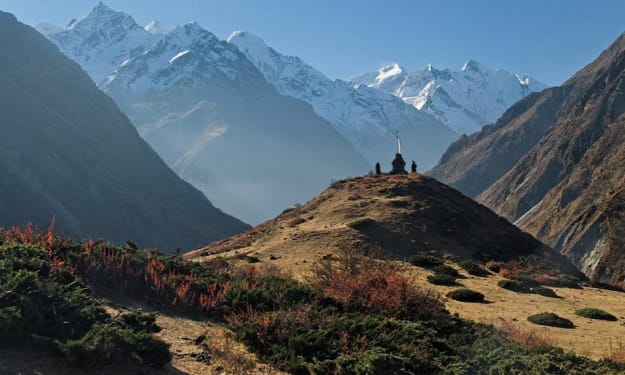
Mount Manaslu, the eighth-highest peak in the world at 8,163 meters, is circled by the breathtaking, off-the-beaten-path Manaslu Trek. This journey, which is tucked away in Nepal's Gorkha area close to the Tibetan border, provides a singular combination of difficult terrain, unspoiled natural beauty, and an in-depth exploration of Tibetan-influenced culture. The Manaslu Trek is a great option for adventurers who value authenticity and seclusion because it is less crowded than the well-known Annapurna and Everest climbs. The best time to travel, why a guide is advised, and what to expect are just a few of the important details our guide covers about the trek.
For the Manaslu Trek, Why Hire a Guide?
Because the Manaslu Trek is located in a restricted area of Nepal, all trekkers must have a guide and special permissions. Employing a guide guarantees adherence to local laws and streamlines the permit application procedure. In addition to permits, a guide's local expertise, safe navigation, and assistance in high-altitude regions improve the experience.
The hike passes through difficult terrain, such as the 5,160-meter Larkya La Pass, where altitude sickness is a possibility. A qualified guide can keep an eye on your health, help if symptoms arise, and modify the schedule to allow for adequate acclimatization.
Ideal Time of Year for the Manaslu Trek
Fall (September to November) and spring (March to May) are the ideal seasons for the Manaslu Trek. While spring delivers warmer temperatures and rhododendron blooms, autumn offers clear skies and cool, dry weather. The best trekking conditions are found throughout these seasons, which improves the experience and the breathtaking scenery.
Trekking in the winter is feasible, but the weather is harsher and the Larkya La Pass may be blocked by snow. The monsoon season (June to August) is less desirable because of the potential of landslides and strong rainfall.
Highlights of the Trek to Manaslu
The trek's highest point is Larkya La Pass, a high mountain pass that provides stunning views of Himlung Himal and Cheo Himal.
Rich Tibetan Culture: Ascending, you'll come across regions that have been greatly impacted by Tibetan culture, including traditional villages, monasteries, and prayer flags.
Remote Communities & Teahouses: The journey travels via remote communities such as Samagaon and Samdo, where teahouses offer lodging and an insight into the way of life of the locals.
Diverse Ecosystems: The protected Manaslu region is home to forests, alpine meadows, and a wide range of plants and animals, including uncommon species like snow leopards and the Himalayan Tahr.
Licenses Needed
The Manaslu Trek requires a number of licenses, which a guide can assist with obtaining:
A minimum of two trekkers must be accompanied by a guide in order to get the Manaslu Restricted Area permission (RAP), which is a required permission. In the fall, the cost is approximately USD 70 for the first seven days and USD 10 per day after that (prices can change depending on the season).
The cost of the Manaslu Conservation Area Permit (MCAP) is approximately $30 USD.
Since the hike passes through a portion of the Annapurna region, an Annapurna Conservation Area Permit (ACAP), which costs around USD 30, is also necessary.
Normal Timetable and Length
It usually takes 12 to 18 days to complete the Manaslu Circuit Trek, depending on the schedule and acclimatization requirements. Beginning in Soti Khola, the journey culminates in Dharapani, where, if you so want, you can join the Annapurna Circuit. Acclimatization pauses are crucial, particularly at higher elevations, because the daily height increase varies.
An example of an itinerary could consist of:
Days 1-2: Take a car from Kathmandu to Soti Khola, and then start hiking in the direction of Machha Khola.
Days 3–7: Ascend gradually through settlements such as Namrung, Deng, and Jagat.
Arrive in Samagaon and Samdo on days 8–10, with an optional day for acclimatization.
Day 11–12: Go down to Bimthang after crossing Larkya La Pass.
Day 13–14: Drive back to Kathmandu after trekking to Dharapani.
Lodging and Dining
The majority of lodging options on the Manaslu Trek are teahouses, which offer the most minimal conveniences. Warm bedding is usually offered, although the rooms are usually basic with shared amenities. Meals consist of Nepali mainstays including soups, noodles, and dal bhat (rice and lentils), with more regional selections as you continue your journey.
The warmth and generosity of teahouses, despite their basic amenities, provide trekkers with a genuine cultural experience. Expect limited internet and electricity, especially at higher elevations.
Budget and Cost of the Trek
The cost of the Manaslu Trek ranges from $1,000 to $2,000 per person, depending on things like lodging, food, permits, and guide fees. The cost of hiring a guide is about $25–30 per day, plus extra for porters if necessary.
Get Ready and Get Trained
The fairly difficult Manaslu Trek necessitates physical preparedness. Strength, endurance, and aerobic activities should all be a part of your training. It is crucial to have the right equipment, such as hiking boots, waterproof clothes, a good sleeping bag, and a first aid kit. Layers are essential for maintaining comfort at different elevations because weather patterns are unpredictable.
In conclusion
Offering unmatched views, a vibrant culture, and a genuine hiking experience, the Manaslu Trek is an enthralling adventure. You can securely traverse this restricted area, get cultural insights, and appreciate the beauty all around you with the help of a guide. Whether you’re a seasoned trekker or embarking on your first high-altitude trek, the Manaslu Circuit provides a unique adventure, far from the crowds, that will leave lasting memories of the majestic Himalayas.
About the Creator
Keep reading
More stories from infinite journey and writers in Wander and other communities.
Trek Guide to Tsum Valley: Discovering Nepal's Undiscovered Treasure
Trekkers embark on an enthralling journey through one of Nepal's most isolated and culturally diverse regions on the Tsum Valley Trek. The Tsum Valley, which is tucked away in the northeastern Himalayas, is well known for its breathtaking scenery, long-standing Buddhist tradition, and friendly locals. With the guidance of this book, you will be able to explore the Tsum Valley and get the most out of your trekking adventure.
By infinite journeyabout a year ago in Wander
Merzouga, Morocco Golden Dunes by Morocco Family Vacation
Standing at the edge of the Sahara in Merzouga, watching golden dunes stretch endlessly into the horizon, I realized this was one of those rare travel moments that stays with you forever especially when you experience it with your children.
By Ariel Cohen4 days ago in Wander
Top 10 colonial hotels in sri lanka
Sri Lanka, once known as Ceylon, carries a rich colonial legacy shaped by Portuguese, Dutch, and British rule. This history is beautifully preserved in a number of colonial-era hotels scattered across the island. From grand seaside mansions to hill-country retreats and fortified townhouses, these hotels offer travelers a chance to step back in time while enjoying modern comfort. Staying in a colonial hotel is not just about accommodation—it is about experiencing stories, architecture, and traditions that have survived for centuries.
By Buddhika Jayanath5 days ago in Wander


Comments
There are no comments for this story
Be the first to respond and start the conversation.