
The Ultimate Guide to Choosing the Best Family Camping Tents for Your Next Adventure
1. Understanding Your Camping Needs 1.1 Assessing Family Size and Structure Before diving into tent options, it's vital to assess the size of your family and their specific needs. How many people will be camping? Count all family members, including adults and children. Each person typically needs space for their sleeping area. Different needs for children and adults. Kids may prefer sleeping bags and can fit in smaller areas, while adults often require more room for comfort, perhaps even air mattresses. Considerations for pets. If your furry friends will be joining, it's essential to factor in their space. Some tents come with pet compartments or additional space for pet gear. 1.2 Tent Use Cases Different adventures call for different types of tents. Understanding the scenarios can influence your choice greatly. Weekend camping vs. extended trips. For short trips, a basic tent may suffice, while long trips require durability and ease of setup. Seasonal camping and weather considerations. Are you camping in summer's heat or the brisk chill of autumn? Your tent's insulation and ventilation need to match the season. Types of camping: car camping, backpacking, and festival camping. Each type has unique requirements; car camping allows for larger, heavier tents, while backpacking necessitates lighter, portable options. 1.3 Evaluating Comfort Requirements Comfort is critical when choosing a family tent. Factors like space, height, and ventilation. Ensure that the tent has adequate height for adults to stand and enough space for everyone to move comfortably. Sleeping arrangements: air mattresses vs. sleeping bags. While sleeping bags are great for kids, adults might prefer inflatable mattresses for a good night's sleep. Privacy needs for families. Zipped compartments can provide privacy for changing or when everyone wants a little quiet time.


2. Types of Family Camping Tents
2.1 Dome Tents
Dome tents are a popular choice due to their unique structure.
Advantages and disadvantages. They often provide excellent weather resistance due to their shape but can lack standing height.
Best brands and price ranges. Notable brands like REI and Coleman offer various options typically ranging from $100 to $300.
Ideal environments for use. Great for windy or rainy conditions due to their aerodynamic design.
2.2 Cabin Tents
Cabin tents are spacious and family-friendly.
How they differ from dome tents. They feature straight walls that offer more vertical space, perfect for standing up and moving around.
Pros for families and specific use cases. Great for comfort during extended trips or for larger families needing extra room.
Tips for set-up and take-down. Label your poles beforehand and practice set-up at home to ease the process outdoors.
2.3 Backpacking Tents
For families on the move, backpacking tents are a lightweight choice.
Lightweight options for families on the go. Many tents now come in a range of sizes suitable for family setups while remaining easy to carry.
Key features to look for. Focus on weight, packed size, and durability when selecting these tents.
Pricing and brand recommendations. Look for brands like Big Agnes and MSR offering quality options in the $200 to $400 range.
3. Key Features to Look For
3.1 Material and Durability
The materials used significantly influence your tent's longevity.
Differences between polyester and nylon. Nylon is generally lighter and stronger, while polyester tends to be more UV resistant.
Importance of weather resistance. Look for tents with a rainfly and waterproof materials to keep your family dry.
Understanding tent fly and ground sheet options. A good ground sheet can protect against wet or uneven ground.
3.2 Size and Space Considerations
The tent's stated capacity might mislead you.
What 'sleeping capacity' truly means. This often refers to the number of sleeping bags that fit. Always consider your family's actual size.
Measuring usable space vs. listed size. Inspect the tent's specs for the dimensions (length, width, height) instead of relying solely on the number.
Family-friendly layout and room for gear. Opt for tents with vestibules or gear storage options to keep your living space organized.
3.3 Ease of Setup and Portability
Simplicity can make or break your camping experience.
Importance of a quick setup system. Look for tents that come with color-coded poles and simple instructions for faster assembly.
Weight considerations for car vs. backpack camping. Assess how light and compact the tent is if you plan on hiking.
Packability and storage options. Ensure that when packed, the tent can fit comfortably in your vehicle or backpack.
4. Budgeting for Your Family Tent
4.1 Setting a Realistic Budget
Financial planning is essential for tent selection.
Understanding the price range for family tents. Quality family tents typically range from $100 to $600, depending on size and features.
What to consider when pricing out features. Balance your need for extra features with your budget; sometimes, a simpler tent might suffice.
The value of investing in quality. Higher-quality tents will often last longer and provide better protection from the elements.
4.2 Where to Buy
Knowing where to purchase can save you time and money.
Best places to shop: online vs. brick-and-mortar. Online retailers often provide comprehensive options, while local stores can offer immediate inspection.
Seasonal sales and discounts. Plan your purchase around camping season sales, which often yield significant savings.
The importance of reading reviews before purchasing. Utilize customer reviews to gauge performance and satisfaction before deciding.
4.3 Maintenance and Longevity
Keeping your tent in top shape extends its life.
Care tips to extend the life of your tent. Clean your tent after each trip and store it dry to prevent mold and mildew.
Common repairs and how to handle them. Small tears can be patched with repair tape; consider bringing a repair kit on long trips.
When to consider replacement. Replace your tent once it shows significant wear or damage that compromises its integrity.
5. Preparing for Your Camping Trip
5.1 Packing and Transporting Your Tent
Being organized before your trip pays off.
Essential gear to bring alongside your tent. Don’t forget stakes, guylines, and a mallet for setup, along with your sleeping gear.
Checklist for pre-trip packing. A thorough checklist ensures you don’t forget important items like extra stakes or ground sheets.
Tips for efficient car packing. Arrange your gear by use, keeping frequently-used items accessible.
5.2 Setting Up Your Tent
Getting it right the first time can make all the difference.
Step-by-step guide for first-time setup. Lay out all components, assemble poles, attach the tent body, and secure it to the ground.
Choosing the best campsite location. Look for flat, dry ground away from water sources and underneath trees to avoid falling branches.
Safety tips for tent setup. Ensure your tent is securely staked to withstand wind, and check your surroundings for potential hazards.
5.3 Post-Camping Care
Caring for your tent after your adventure is just as important.
Packing your tent properly after usage. Ensure your tent is clean and dry before packing it in its storage bag to prevent mold.
Cleaning tips to maintain your tent's condition. Use mild soap and water for cleaning; avoid harsh chemicals that could damage materials.
Storage recommendations to prevent damage. Store in a cool, dry place and avoid compressing the tent for long periods.
Conclusion
When choosing a camping tent for your family, consider comfort, size, features, and budget. With careful planning and consideration, you can ensure a successful outdoor adventure that creates lasting memories.
FAQs
What is the best tent size for a family of four?Generally, a tent rated for 6 people offers comfortable sleeping space for four and room for gear.
How do I prevent rain from leaking into my tent?Ensure your tent is properly sealed with a rainfly, and apply sealant to seams if necessary.
What features make a tent family-friendly?Look for space, ventilation, and easy access features, such as multiple doors and sections.
How can I best maintain my camping tent?Consistent cleaning and inspections after trips, combined with proper storage, are essential for longevity.
What are the best seasons for camping with family?Early Fall and late Spring typically offer pleasant weather and fewer crowds for family camping trips.
About the Creator
Quang Trung
Always bring the best products for customers to experience
Keep reading
More stories from Quang Trung and writers in Wander and other communities.
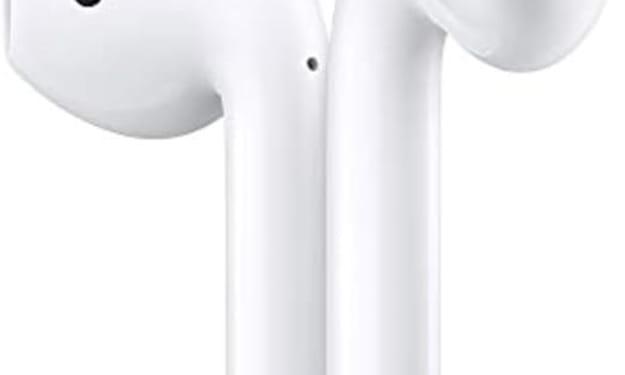
Stay Connected with Apple AirPods 2nd Generation: Bluetooth Headphones with Lightning Charging Case
Apple AirPods (2nd Generation) Wireless Ear Buds, Bluetooth Headphones with Lightning Charging Case Included, Over 24 Hours of Battery Life, Effortless Setup for iPhone
By Quang Trungabout a year ago in Wander
Whispers of Winter
"There are places where the holiday season doesn’t just arrive — it settles in. It curls around you like a wool scarf, it glows like a candle in a frosted window, and it whispers stories you swear you’ve heard before. Today, we’re stepping into one of New England’s most enduring traditions: the Enchanted Village at Jordan’s Furniture in Avon, Massachusetts."
By Kristen Barenthaler5 days ago in Wander
Absolved of All Sins!
We went on a day trip to Armenia with my son and friend Katie to explore its apostolic monasteries. Our first stop, Akhtala Monastery, had a monument to Armenian-Georgian friendship in the form of two rings joined by a pomegranate, the national fruit of both countries.
By Lana V Lynx4 days ago in Wander


Comments (1)
This tent is ideal for large families camping. Wishing everyone a happy family camping trip