
The Kanchenjunga Circuit Trek: An Untamed Himalayan Adventure
The Himalayas are home to some of the world’s most captivating treks, offering both seasoned and budding trekkers a chance to explore a unique blend of natural beauty and cultural richness.


The Himalayas are home to some of the world’s most captivating treks, offering both seasoned and budding trekkers a chance to explore a unique blend of natural beauty and cultural richness. Among these awe-inspiring adventures lies the Kanchenjunga Circuit Trek—a remote, raw, and unforgettable journey around the world’s third-highest mountain, Mt. Kanchenjunga (8,586 meters / 28,169 feet).
Unlike more commercial routes such as Everest Base Camp or the Annapurna Circuit, the Kanchenjunga Circuit remains relatively untouched by mass tourism. This isolation is both its greatest challenge and its most rewarding feature. For those who seek solitude, authenticity, and adventure in the Himalayas, the Kanchenjunga region is a hidden gem waiting to be explored.
Overview of the Kanchenjunga Circuit Trek
The Kanchenjunga Circuit Trek circles both the North and South Base Camps of Mt. Kanchenjunga. It offers trekkers an intimate view of towering peaks, deep valleys, ancient forests, and remote mountain villages. The complete circuit usually takes 21 to 25 days, covering a distance of roughly 220–250 kilometers depending on the specific route and side trips taken.
Major Highlights:
- Stunning views of Mt. Kanchenjunga and surrounding peaks
- Visiting both the North and South Base Camps
- Rare flora and fauna (snow leopards, red pandas, Himalayan blue sheep)
- Cultural immersion in Tibetan Buddhist and Limbu communities
- Trekking through the Kanchenjunga Conservation Area
Geographic and Cultural Setting
Kanchenjunga lies in eastern Nepal, bordering the Indian state of Sikkim and the Tibetan Autonomous Region of China. The region’s isolation has helped preserve its rich biodiversity and indigenous cultures.
The dominant ethnic groups in the region include:
Limbus and Rai people (Kirat origin) in the lower altitudes
Tibetan and Sherpa communities in the higher altitudes
These communities live in harmony with nature and practice Tibetan Buddhism or animist beliefs. Along the trail, trekkers encounter ancient monasteries, mani walls, and fluttering prayer flags—each carrying the essence of Himalayan spirituality.
Route Breakdown
The Kanchenjunga Circuit typically begins from Suketar or Taplejung, which are accessible via a domestic flight to Bhadrapur and then a long jeep ride.
The Standard Itinerary (Approx. 23 days)
Day 1–5: Taplejung to Ghunsa
Begin in lush subtropical forests with terraced fields and rhododendron groves
Villages like Mitlung, Chirwa, and Sekathum provide early homestay experiences
Reach Ghunsa, a picturesque Sherpa village at 3,475 meters
Day 6–9: Ghunsa to Pangpema (North Base Camp)
The trail climbs through alpine landscapes
Cross the Sele Le Pass and visit Kambachen, Lhonak, and finally Pangpema (5,143m), the Kanchenjunga North Base Camp
Offers panoramic views of the north face of Mt. Kanchenjunga
Day 10–13: Return to Ghunsa and cross to South Side
Retrace steps to Ghunsa
Cross the challenging Mirgin La Pass (4,663m), connecting north to south
Day 14–18: Tseram to Oktang (South Base Camp) and beyond
Trek through Tseram, Ramche, and reach Oktang (4,730m) for a dramatic view of the south face of Kanchenjunga
This side offers glacier views and close proximity to the mountain itself
Day 19–23: Descent to Yamphudin and Taplejung
Descend through beautiful valleys and remote Limbu villages
End trek at Yamphudin and make your way back to civilization
Difficulty Level and Best Time to Trek
Trek Difficulty: Challenging
Altitude: Trek reaches over 5,000 meters
Long duration: 3+ weeks
Terrain: Steep climbs, rocky trails, and river crossings
Weather: Harsh conditions at higher altitudes
Prior trekking experience and excellent physical fitness are essential. Altitude sickness is a genuine risk, so proper acclimatization is crucial.
Best Time to Trek:
Spring (March to May): Rhododendron blooms, warmer temperatures, clearer views
Autumn (late September to November): Stable weather, excellent visibility
Avoid the monsoon (June–August) due to heavy rains, landslides, and leeches, and winter (December–February) for its extreme cold and snowbound passes.
Accommodation and Food
Unlike the more developed trekking regions in Nepal, Kanchenjunga is still quite remote. Teahouses and homestays are available along much of the trail, but the facilities are basic compared to those on Everest or Annapurna routes.
Expect:
Shared wooden rooms with minimal insulation
Traditional Nepali meals like dal bhat, noodle soups, potatoes, and local greens
Very limited access to Wi-Fi, charging, and hot showers
Camping is an option for those wanting more flexibility or who are heading off the main trail.
Permits and Regulations
The Kanchenjunga region is a restricted trekking area. As such, independent trekking is not allowed—you must go with a registered guide or agency.
Required Permits:
Kanchenjunga Restricted Area Permit (RAP)
Kanchenjunga Conservation Area Project (KCAP) Permit
TIMS Card (sometimes waived in organized groups)
Permits can only be issued through trekking agencies and require a minimum of two trekkers in a group. Passport copies and recent photographs are also required.
Wildlife and Nature
The Kanchenjunga Conservation Area, covering over 2,000 square kilometers, is home to rare and endangered species. Trekkers might encounter:
Red panda
Snow leopard (rare sightings)
Himalayan black bear
Musk deer
Over 250 species of birds
The region’s flora varies dramatically—from subtropical forests to high alpine tundra. Rhododendron and magnolia bloom in spring, while blue poppies and edelweiss dot the higher meadows in summer.
Why Choose the Kanchenjunga Circuit Trek?
Off-the-Beaten-Path
If you're tired of crowded trails and want true wilderness, this trek delivers.
Cultural Richness
Authentic encounters with Limbu and Sherpa communities.
Wildlife and Biodiversity
Protected habitats offer rare wildlife sightings.
Diverse Landscapes
From subtropical jungles to glacial moraines, every day is different.
Incredible Mountain Vistas
Views of Kanchenjunga, Jannu, Tent Peak, and more, rivaling any trek in the world.
Final Tips
Training: Prepare with cardio, strength training, and multi-day hikes carrying a backpack.
Gear: Quality trekking boots, down jacket, sleeping bag (rated to -10°C or lower), and trekking poles are essential.
Guide/Agency: Choose a reputable trekking agency experienced in the region.
Insurance: Make sure it covers high-altitude trekking and emergency evacuation.
Conclusion
The Kanchenjunga Circuit Trek is not for everyone—but for those who accept its challenge, it offers an experience of a lifetime. Majestic peaks, pristine trails, spiritual encounters, and rugged adventure define this Himalayan journey. In a world of increasingly busy travel experiences, Kanchenjunga is a reminder of what pure exploration feels like: quiet, humbling, and utterly unforgettable.
If you’d like, I can also help with a packing list, detailed daily itinerary, or a sample budget. Just let me know!
About the Creator
Keep reading
More stories from Himalayan Trekkers and writers in Wander and other communities.
Loving you has only just begun
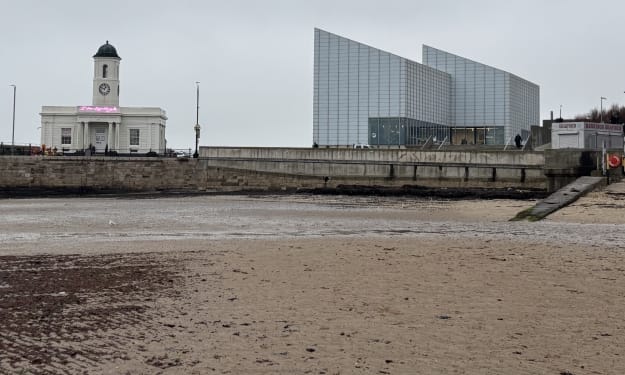
Expect to see more of this photographic exploration of the Kent coastal town of Margate and nearby areas from me. This is my new home-to-be. Part of the Cinque Ports confederation, which dates back to around 1050, Margate sits at the far north-eastern point of Kent. The term Cinque Ports was first used in the 12th century, at a time when the official language throughout England was Norman French. Over the centuries, this language became assimilated with the Saxon, Danish, Celtic and other languages, evolving into modern English.
By Raymond G. Taylorabout 11 hours ago in Wander
Absolved of All Sins!
We went on a day trip to Armenia with my son and friend Katie to explore its apostolic monasteries. Our first stop, Akhtala Monastery, had a monument to Armenian-Georgian friendship in the form of two rings joined by a pomegranate, the national fruit of both countries.
By Lana V Lynx6 days ago in Wander



Comments
There are no comments for this story
Be the first to respond and start the conversation.