
The Island of Sardinia
One of the 20 regions of Italy

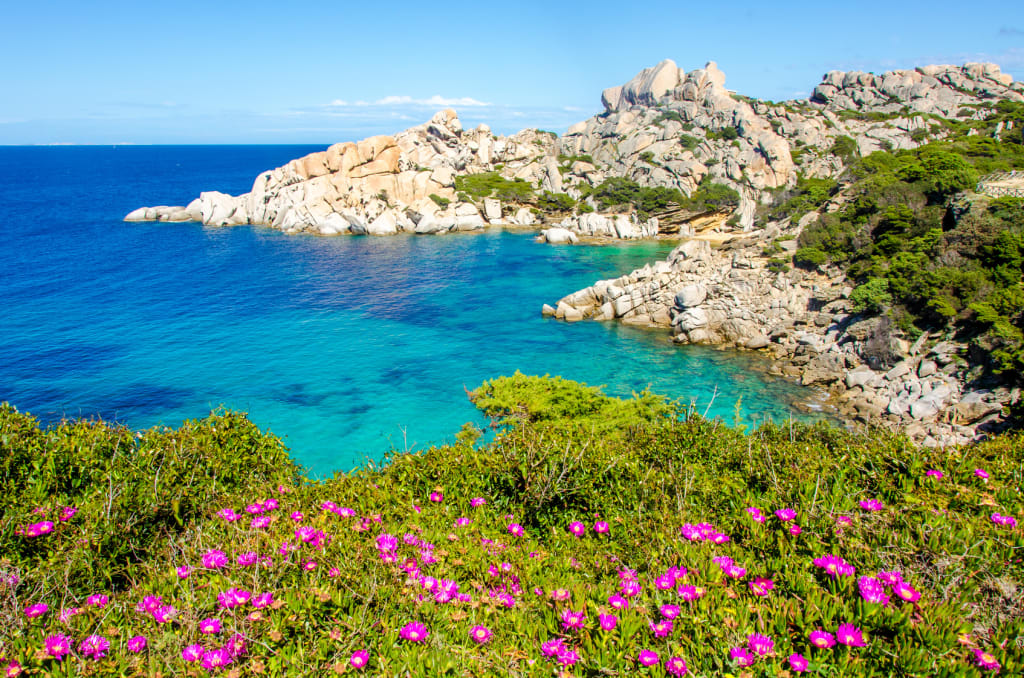
Everyone enjoys the sand and the sun and the lovely beaches and wonders of Sardinia. It is the second-largest island in the Mediterranean Sea, after Sicily. It offers 2,000 km of coastline and mountains in the interior just great for hiking. You can see such wonders as Bronze-age stone structures that are shaped like beehives.
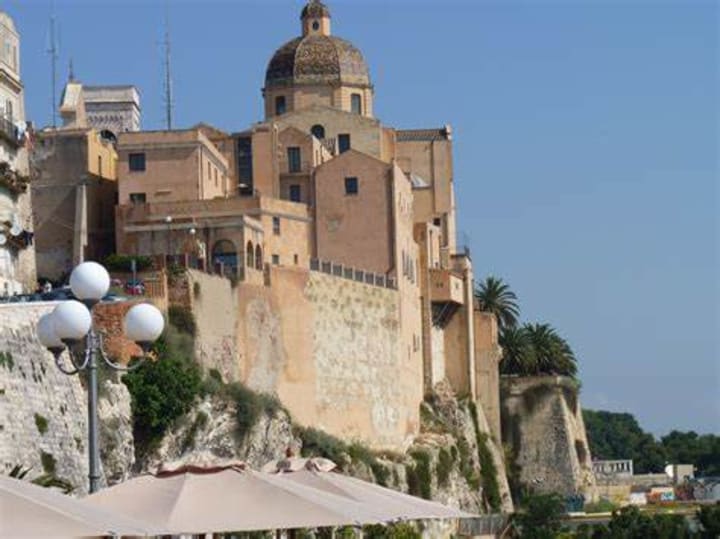
Its capital, Cagliari has an amazing medieval quarter known as Castello with narrow streets to explore, 14th-century palaces, and a 13th-century cathedral. So come on over and have the time of your life.
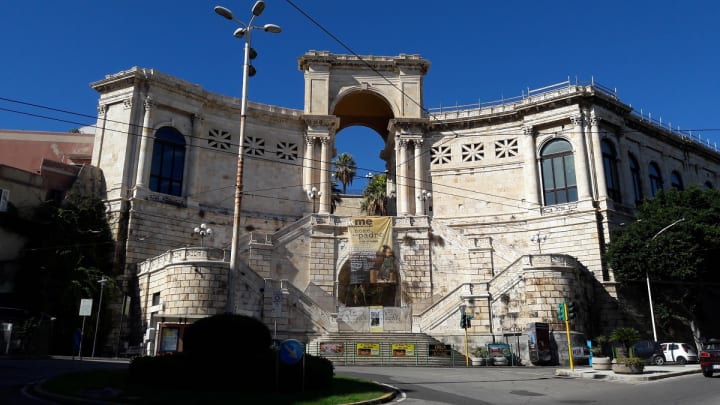
Take the monumental stairway heading up from the busy Piazza Costituzione to Bastione San Remy to reach the very impressive Il Castello. If you prefer you can take the panoramic elevator however the walk is great too as you keep going higher and can take in the views. The stairway was built between 1899 and 1902 and is a mix of neo-Classical and Liberty styles. It offers spectacular views over the rooftops of Cagliari and the Mediterranean.
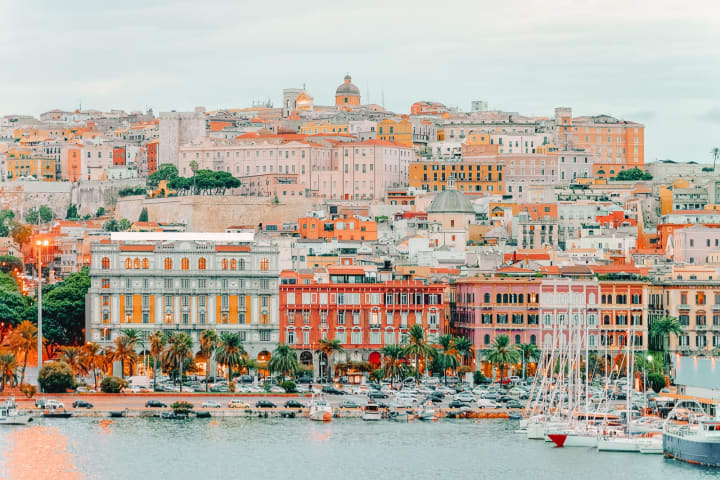
Il Castello the hilltop citadel in Cagliari is a most impressive site with domes, towers, and palazzi. It is home to the aristocracy. Inside the battlements of the old medieval city, you can see the university, cathedral, museums, and Pisan palaces all wedged into narrow high-walled alleys. At the harbors, there are boutiques, bars, and cafes.
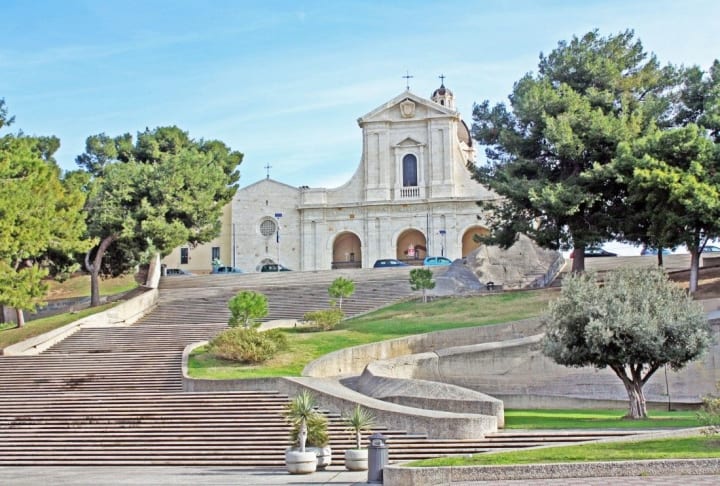
A very popular pilgrimage site is Bonaria Hill. People come here to pray at the Shrine of Our Lady of Bonaria.
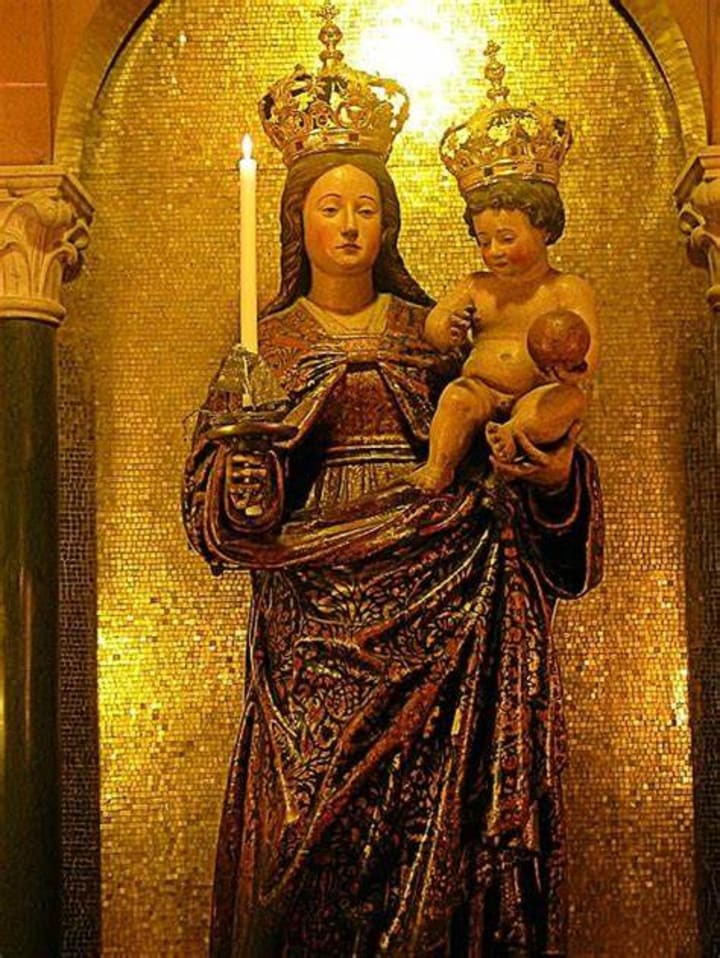
Nostra Signora di Bonaria is a wooden statue of the Virgin Mary and Christ that is kept in a niche behind the altar. This statue supposedly saved a 14th-century Spanish ship during a storm. To the right of the sanctuary, you’ll find a larger basilica that is a landmark for returning sailors. Once part of a much larger fortress, this sanctuary was built by the Catalano-Aragonese in 1323. All that remains of the original structure is the truncated bell tower and the Gothic portal. In the museum, you’ll find things like model boats and a golden crown from Carlo Emanuele I. There are also the mummified corpses of four plague-ridden Catalano-Aragonese nobles. Above the altar hangs a tiny 15th-century ivory ship and it is said that its movements indicate the wind direction in the Golfo degli Angeli.
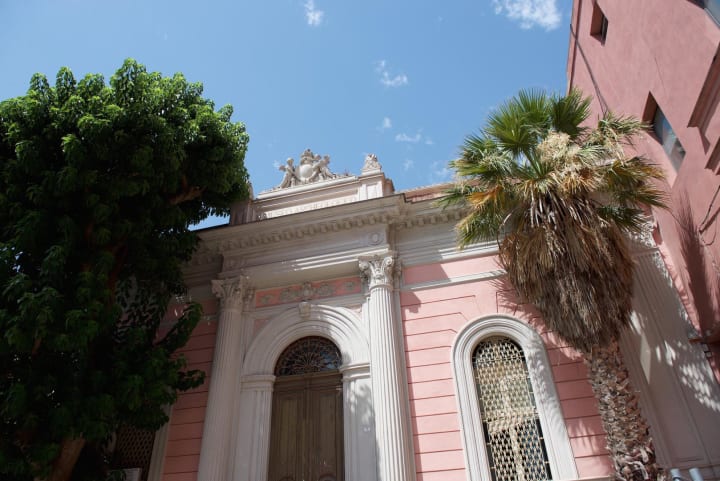
There are many museums in Sardinia but the one museum that most enjoy seeing is the Archeological Museum of Sardinia. Here you’ll be fascinated by the artifacts on display that reflect ancient history among them a collection of miniature-sized bronze figurines. Other displays take you through the Bronze and Iron Ages and the times of Phoenicians and Romans. Bronze figurines depict tribal chiefs, warriors, hunters, and animals. The museum also has several giant sandstone sculptures standing over two meters high and dating back to the 8th and 9th centuries. Highlights on the ground floor include stone implements and obsidian tools, rudimentary ceramics, amusing round fertility goddesses, terracotta vases, glass vessels, scarabs, and jewelry. On the first and second floors, you can see Roman mosaics, a collection of Roman statues, busts, and tombstones from Cagliari and coins.
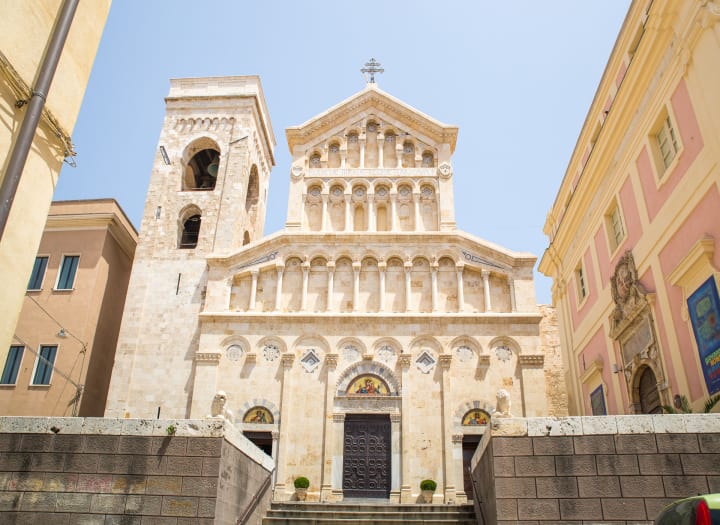
The Cathedral of Santa Maria is a graceful cathedral in Cagliari dating from the 13th century and stands on Piazza Palazzo. There is not much left of the original Gothic structure except for a square bell tower. The facade is Pisan-Romanesque and was added in the 20th century. Inside you’ll find Baroque decor with frescoes adorning the ceiling. There are three chapels on either side of the aisles.
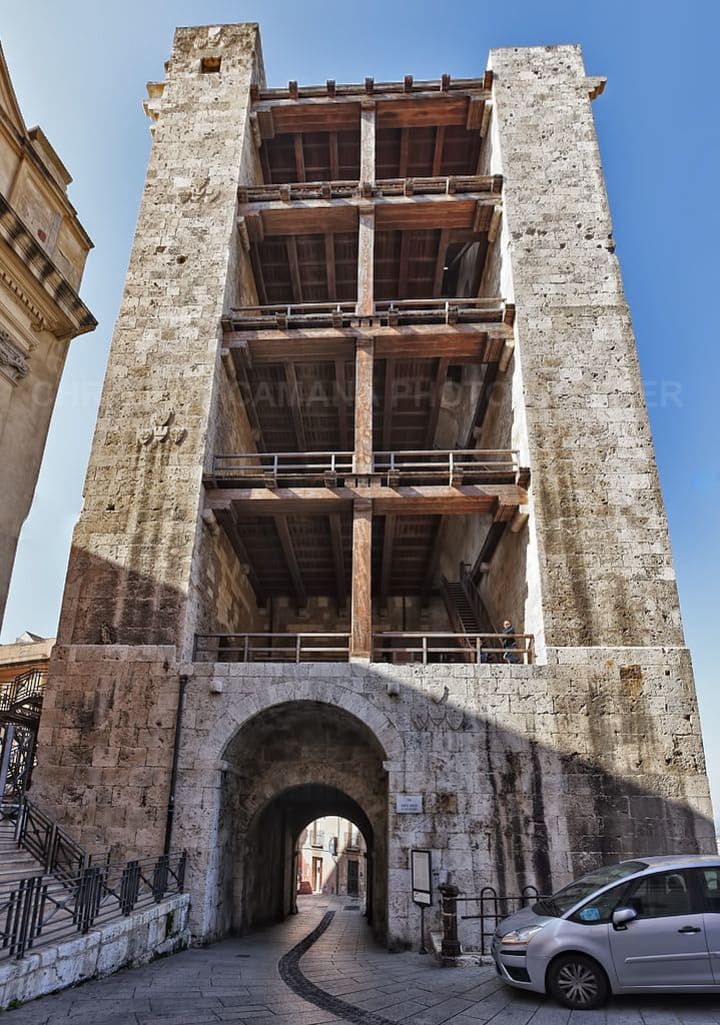
Only two Pisan towers have remained standing. The Torre dell’Elefante was built in 1307 as a defense against the threat of the Aragonese. This is a 42-meter high tower given its name for the sculpted elephant by the mean-looking portcullis or gliding door. At one time this was a prison for political detainees. Don’t be surprised if you run into any angry spirits because of the strange and horrible doings here. When the Spaniards beheaded the Marchese di Cea they left her severed head just lying about for 17 years. They would also put the heads of executed prisoners on the portcullis and they’d all be strung up in cages. For a spectacular view of the city and the sea, you can climb right to the top of the tower.
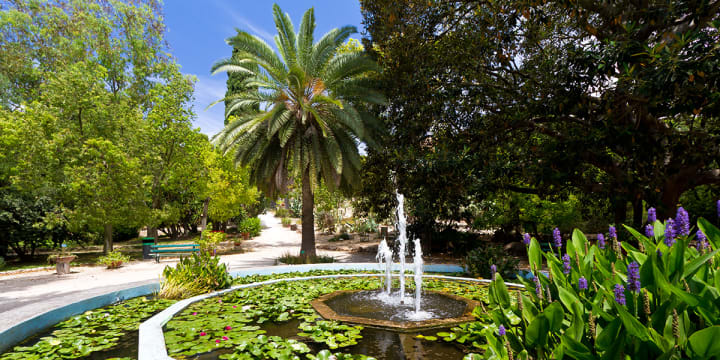
To walk among lovely flowers, interesting plants, and greenery head for one of Italy’s most famous botanical gardens, the Orto Botanico. These botanical gardens were established in 1858 and they extend for more than five hectares. You can delight in 3000 species of flora. There are leafy arches that lead to lovely fountains and a garden full of palm trees, cacti, and ficus trees with huge snaking roots. These plants come from as far as Asia, Australia, Africa, and the Americas. Here you can also find a Punic cistern, a Roman quarry, and an aqueduct.
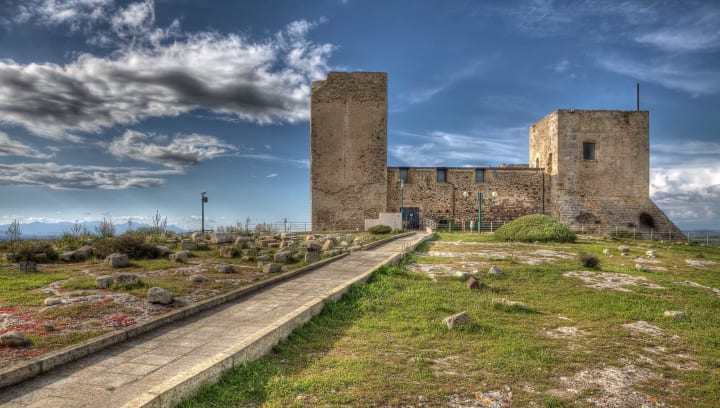
Catillo di San Michele is a three-tower Spanish fortress standing high on a hill above the city. From here you can get fantastic views of the city and the sea. It is a 10th-century castle that was built to protect Santa Igia, the capital of the Giudicato of Cagliari. It is best known for being the luxurious residence of the 14th-century Carroz family. Today the castle offers art and photography exhibitions.
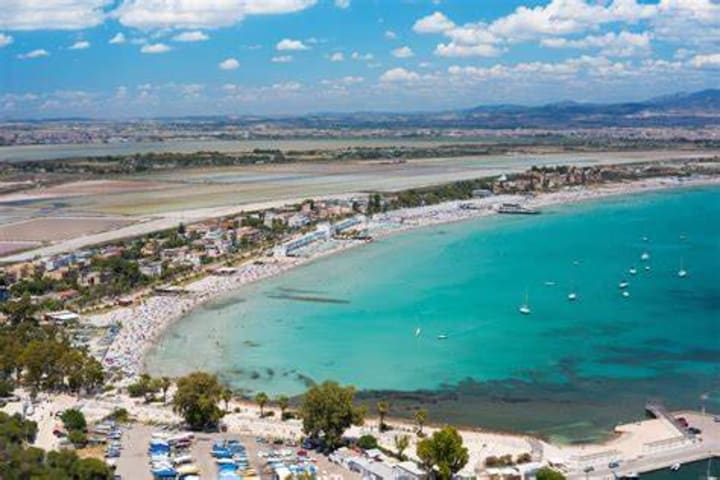
When you want to have fun in the sand and the sun head for Poetto Beach stretching for 6 km along the coast it is the longest stretch of beach in Italy. In the summer everyone is here from residents to tourists. There are fun fairs, restaurants, bars, and discos. The south end of the beach is the most popular as it includes the picturesque Marina Piccola, the yacht club, and during July and August an outdoor cinema.
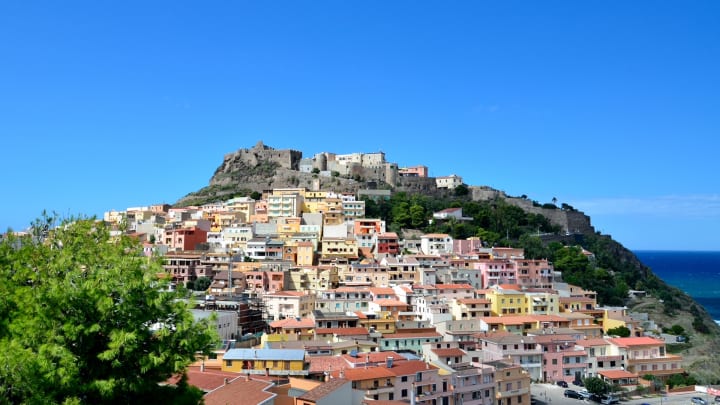
Sightseeing in Sardinia
Sassari is the second largest city in Sardinia. It is a university and cultural center.
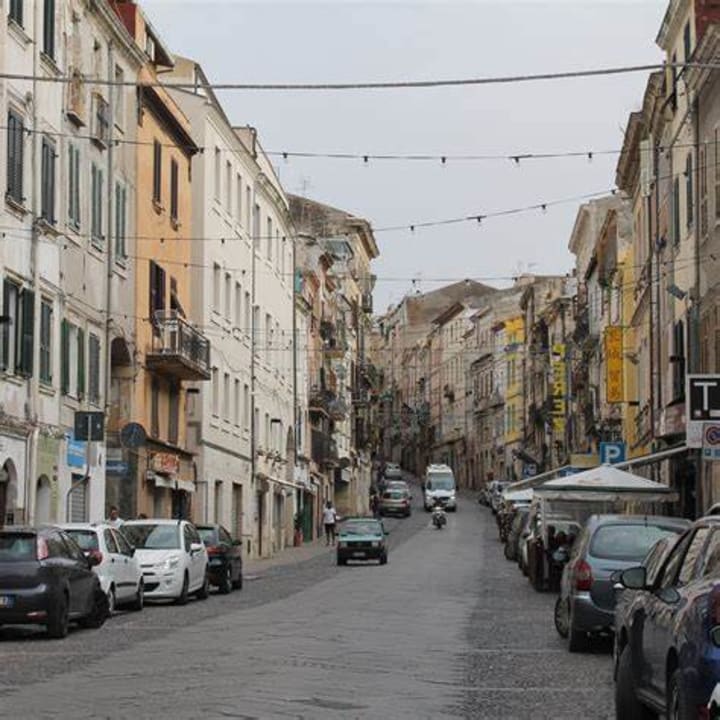
To see impressive buildings in Catalan Gothic, Baroque, and neo-Classical styles take a walk down Corso Vittorio Emanuele II, the main street.
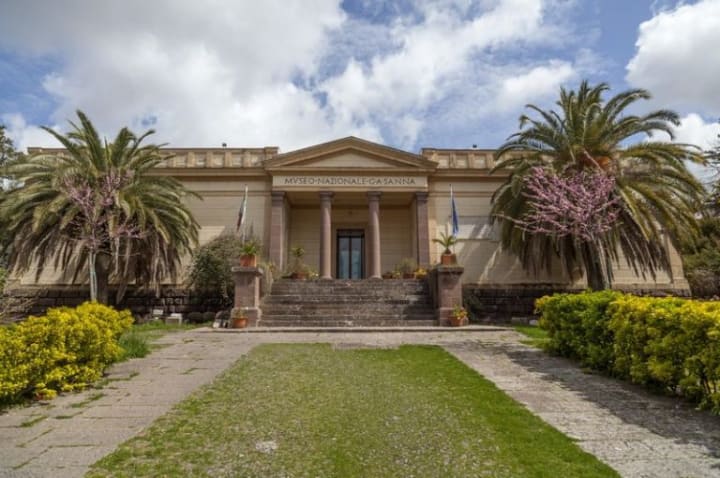
Museo Nazionale Sanna is one of the most important museums in Sardinia. It displays archeological collections among them Nuragic bronze figures and jewelry as well as Roman artifacts.
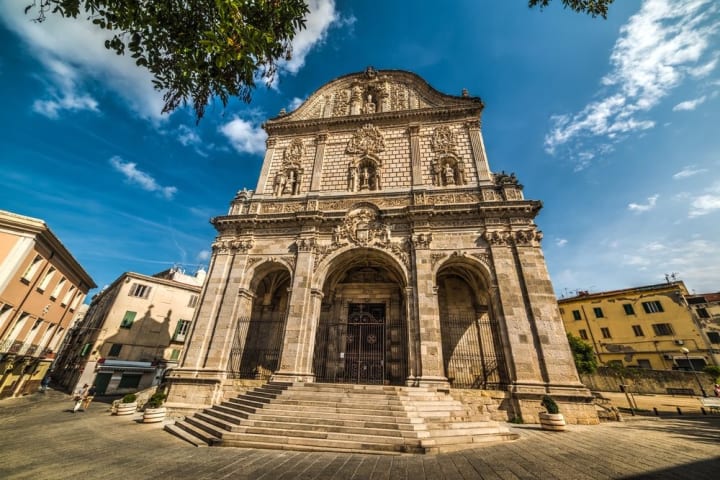
San Nicola Cathedral has a unique facade of 17th-century ornament styles that were created by stone carvers from Milan.
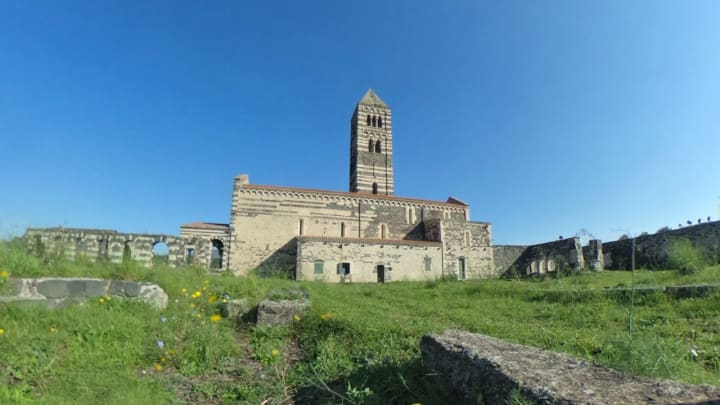
Santissima Trinita di Saccargia is a church with a tower built of black basalt and white limestone. It is one of the most important Romanesque sites on the island.
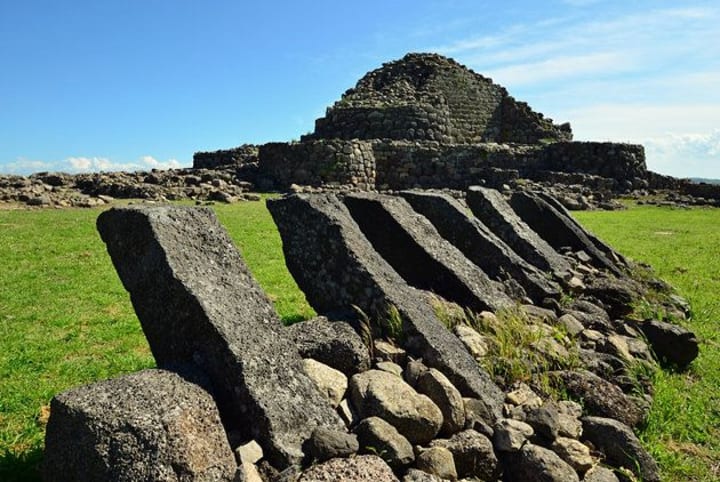
Naraghe Su Naraxi is the most complete ruin and best preserved. It has been cited by UNESCO as one of the best restorations anywhere in the Mediterranean. The outer towers were built in the 11th and 12th centuries BC. Visitors can go inside the tower and climb up. The spiral stairways inside connect the three stories. There are 30-minute tours available and English-speaking guides.
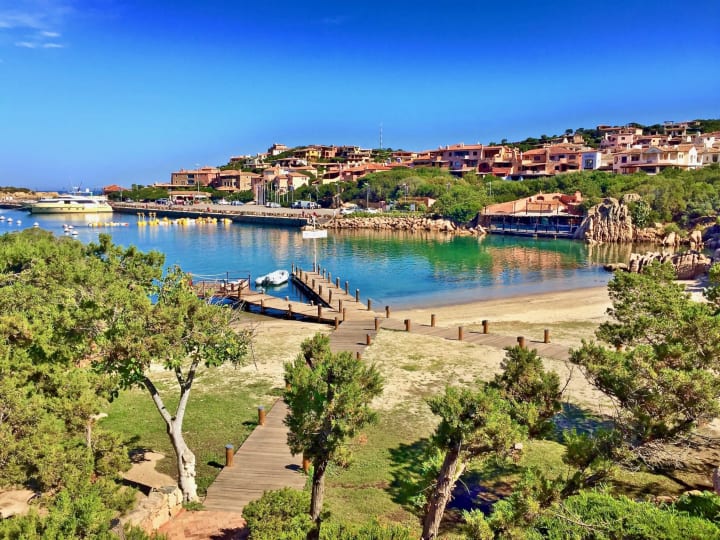
Porto Cervo is a resort village and marina for private yachts. The resorts here take visitors by boat to secluded beaches.
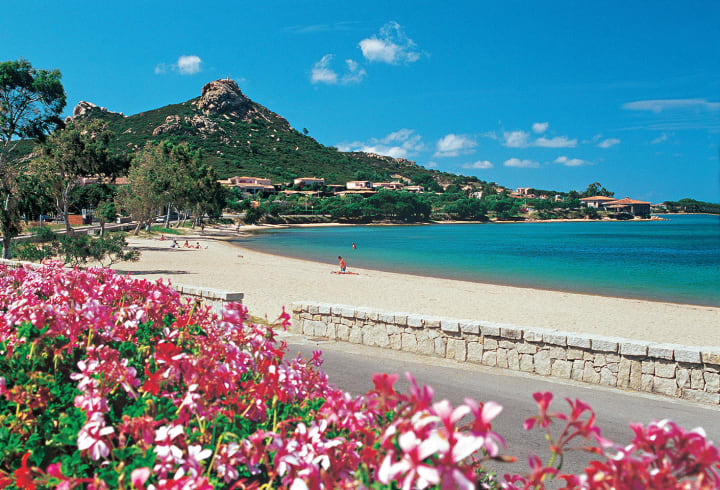
A lovely resort town is Cannigione, on the Gulf of Arzachena.
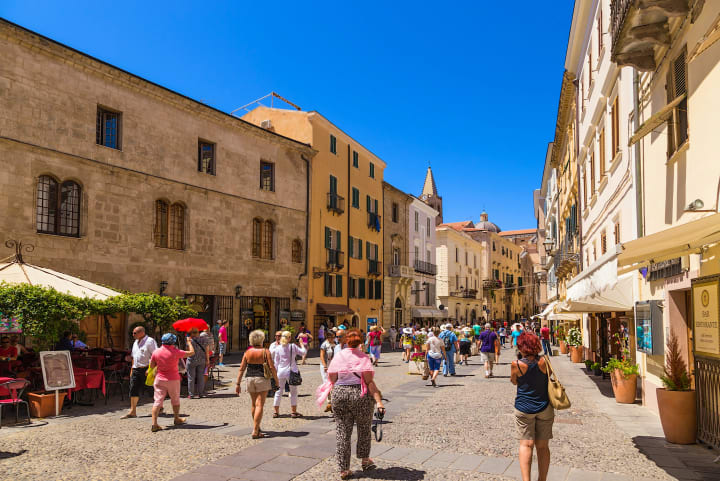
Alghero was once a Spanish town.
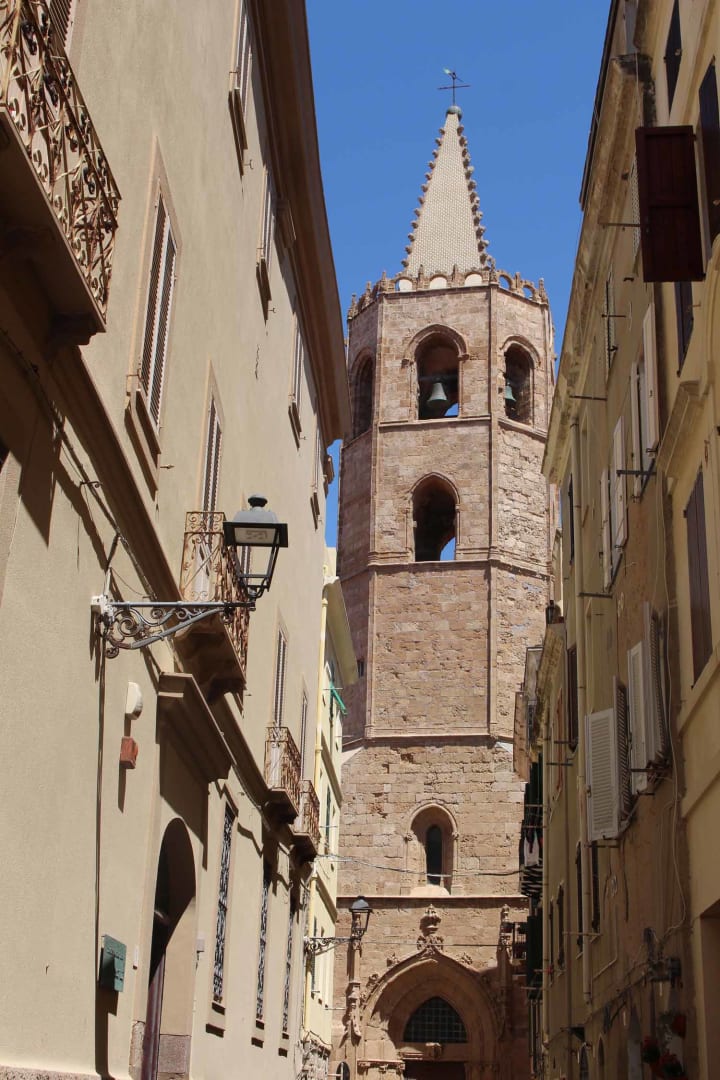
Here you can see the beautiful Church of San Francesco with its 13th-century cloister.
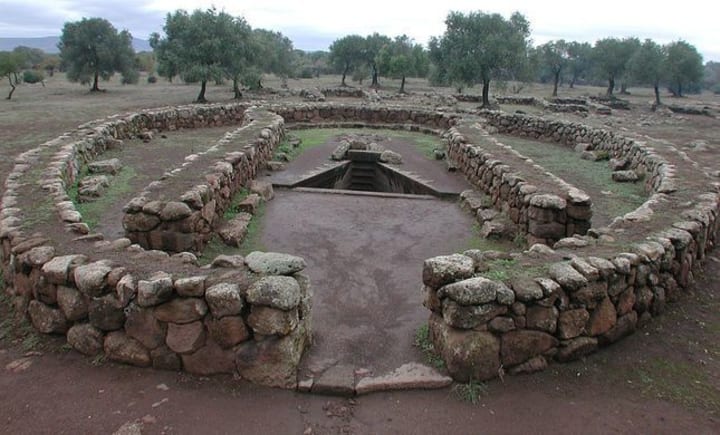
Santa Cristina Nuraghe and the Holy Well is a site not far north of Oristano. The “holy well” is amazingly preserved. This is a well-preserved temple from 1200 – 1100 BC. You can climb a nuraghe tower to the roof to see views of the surrounding prehistoric stone village. Pilgrimages here are in May and October.
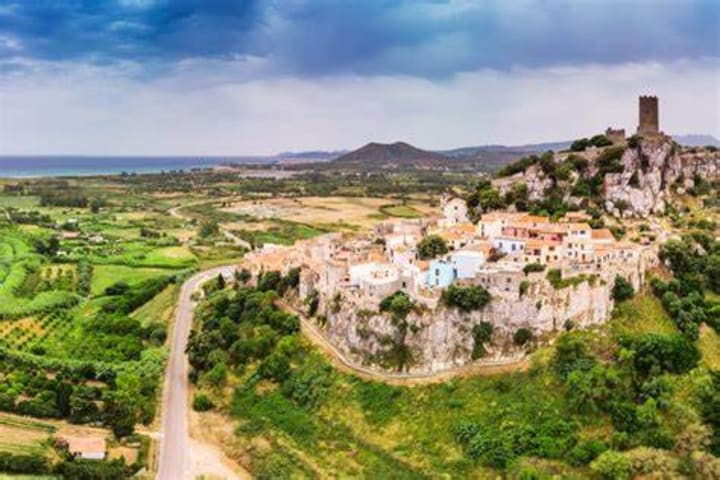
The town of Nuoro is a good place to start exploring the surrounding Gennargentu.
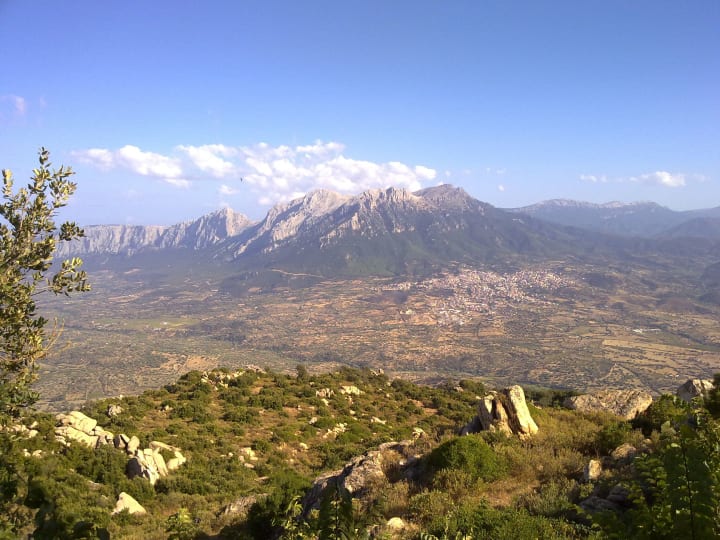
These are Sardinia's most rugged and beautiful interior mountains. You can see towns clinging to the mountainsides.

In Nuoro is the impressive 19th-century cathedral of Santa Maria della Neve which sits on a cliff with drops straight into the valley.
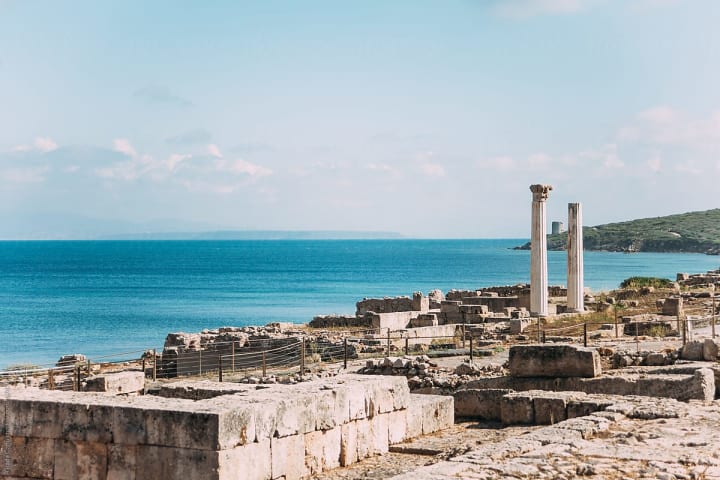
At Tharros you can walk amid the stone remains of Phoenician, Carthaginian, and Roman cultures. The columns from the baths still stand as well as parts of the aqueduct and temples. The amphitheater overlooks the sea.
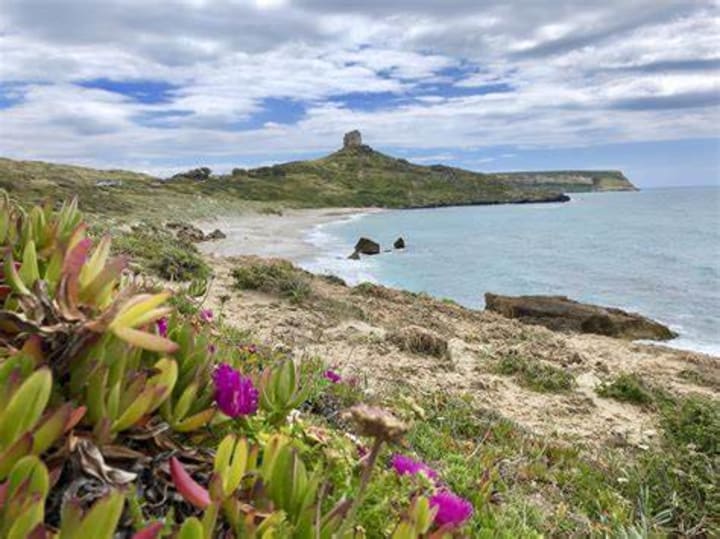
In the town of Cabras, you'll find the Museo Civico Giovanni Marongiu displaying carved stone steles, funerary urns, and other finds.

Bosa is a town dating from the 9th century BCE. It overlooks the mouth of the only navigable river in Sardinia, in a valley dotted with farms.
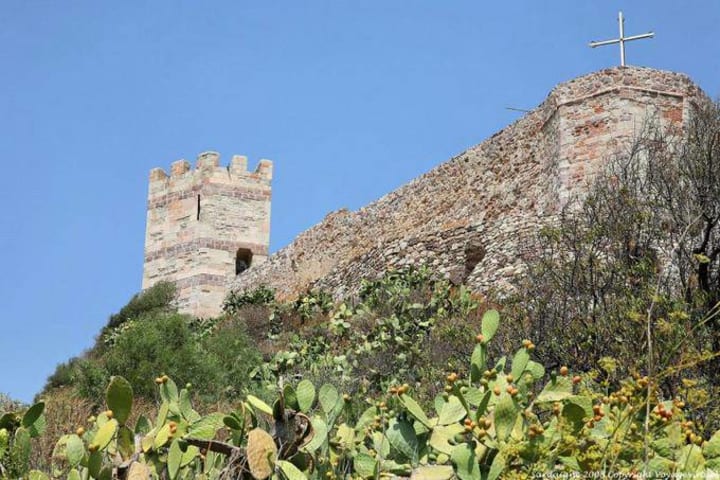
Walking along medieval streets that wind from the old stone bridge and buildings lining the riverfront you'll get to the hilltop Malaspina Castle.
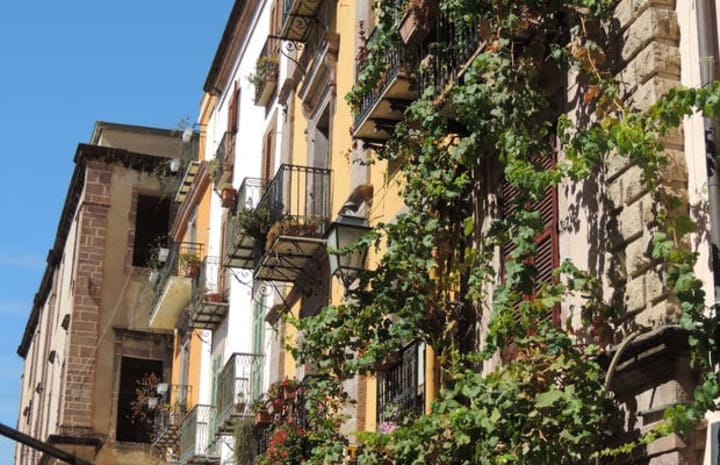
Casa Deriu the restored manor house is a museum with furnished rooms and an art gallery.
About the Creator
Rasma Raisters
My passions are writing and creating poetry. I write for several sites online and have four themed blogs on Wordpress. Please follow me on Twitter.
Keep reading
More stories from Rasma Raisters and writers in Wander and other communities.
Worth the Wait: Puerto Viejo, Costa Rica
Beach bumming in a small Caribbean beach town sounded like a perfect way to end our 6-month trip through Mexico and Central America. Or so we thought. The foul, fishy stench of rotten seaweed hit our nostrils as we stepped from the cramped bus and looked out at a rather depressing, empty, and underwhelming black sand beach. It was pouring with rain, and we had to quickly fish out our ponchos. We thought, this couldn’t be it, could it?
By Sh*t Happens - Lost Girl Travel6 days ago in Wander
Looking The Total Lunar Eclipse and Blood Moon...March 3rd 2026.
By a stroke of good luck - I just happened to be in Colorado to watch (or squint) at the 2026 Lunar Eclipse in the wee hours of the morning. It was freezing cold, but who can resist the beautiful Rocky Mountain peaks as the antics in the sky compete with dawn. The advent of morning grudgingly pausing in its beginning of yawning awake.
By Sudais Zakwana day ago in Wander




Comments
There are no comments for this story
Be the first to respond and start the conversation.