
Enjoying Guinea-Bissau
A tropical country in West Africa

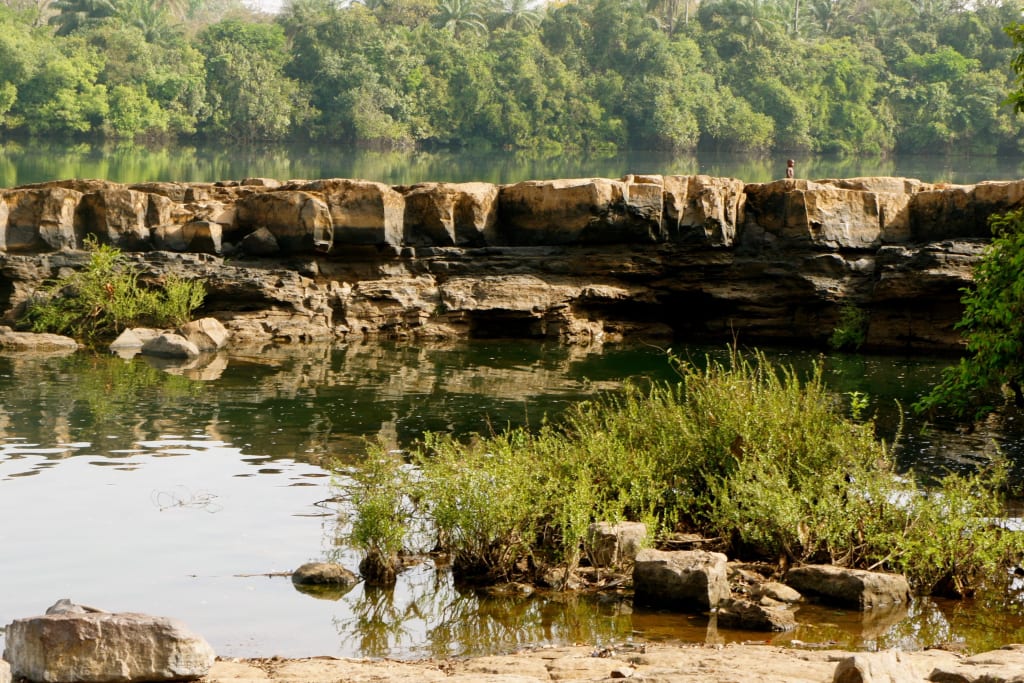
Guinea-Bissau is a tropical country on the Atlantic coast in West Africa. It’s known for its national parks and wildlife. The forested, sparsely populated Bijagos Archipelago is a protected biosphere reserve.
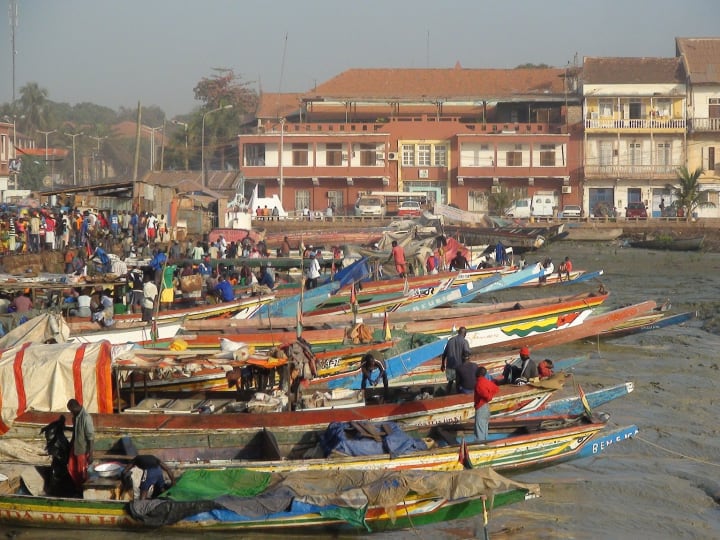
Bissau Capital of Guinea-Bissau
Bissau is located near the point where the Geba River joins with the Atlantic Ocean. This is a quiet capital but has a sort of charm that is worth taking a look at.
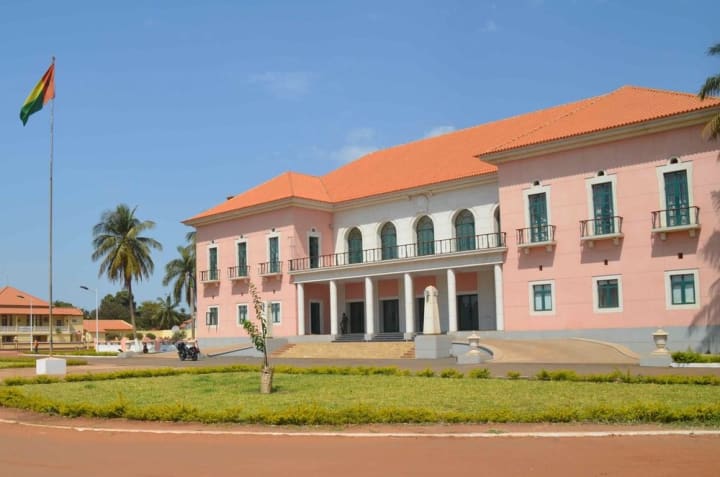
The Presidential Palace was once an elegant neo-Classical building, It was ruined during the Guinea-Bissau Civil War 1998 – 99. In 2013 it was renovated and reopened.
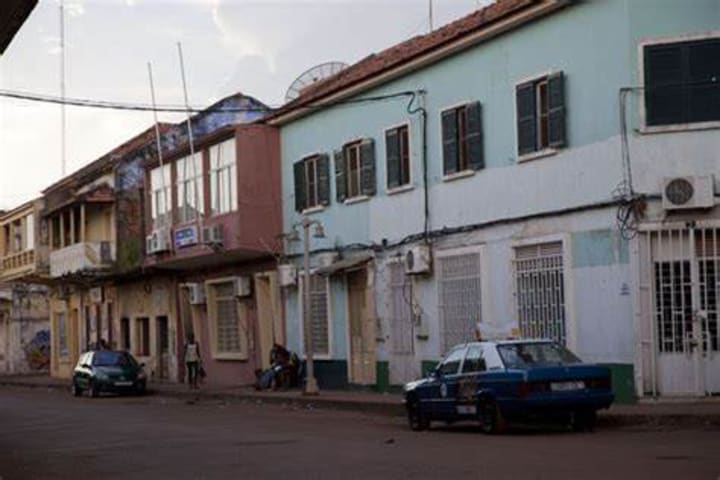
Once this country was a Portuguese colony and the colonial influence can be seen in Bissau Velho, the old center of the city. As you walk through the dusty streets you can get an interesting look into Bissau’s history and heritage.
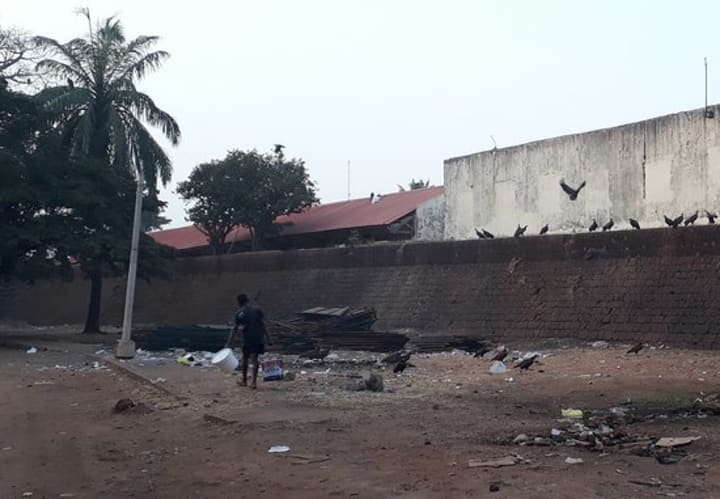
Fortaleza de Sao Jose da Amura stands guard over the colorful neighborhood that is dotted with Mediterranean-style buildings. Even though the Guinean military still uses the fort occasionally guards will let visitors take a quick peek inside the stone walls.
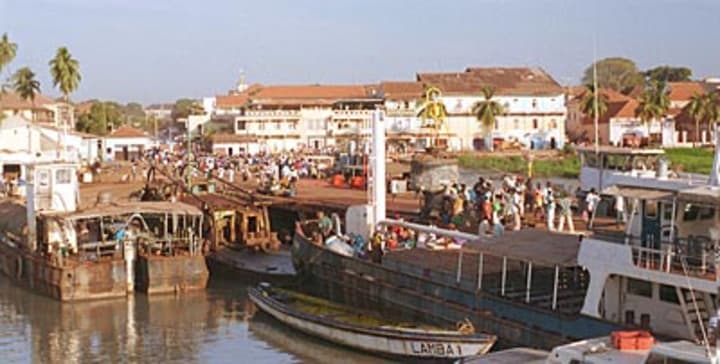
The most lively and vibrant part of Bissau is Porto Pidjiguiti. Here you can see fishermen bringing in the daily catch and watch pelicans soar over the sandy coast. In 1959 striking dockworkers were killed by police which started the resistance movement again the Portuguese. You can see a monument that has been designed like a huge black fist to commemorate the massacre.
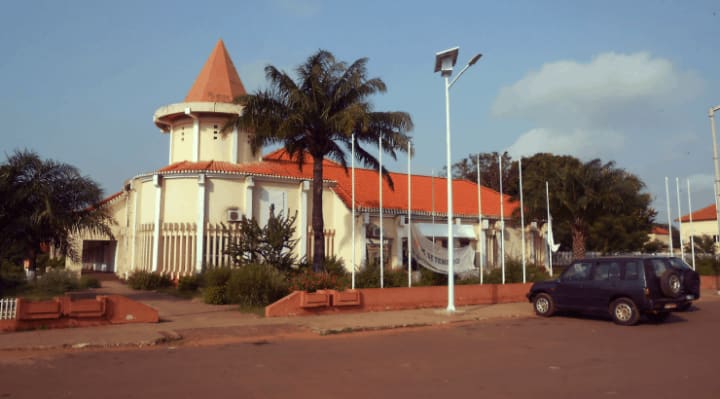
Visit the National Ethnographic Museum where you can see on display a small collection of wooden masks, baskets, and statues.
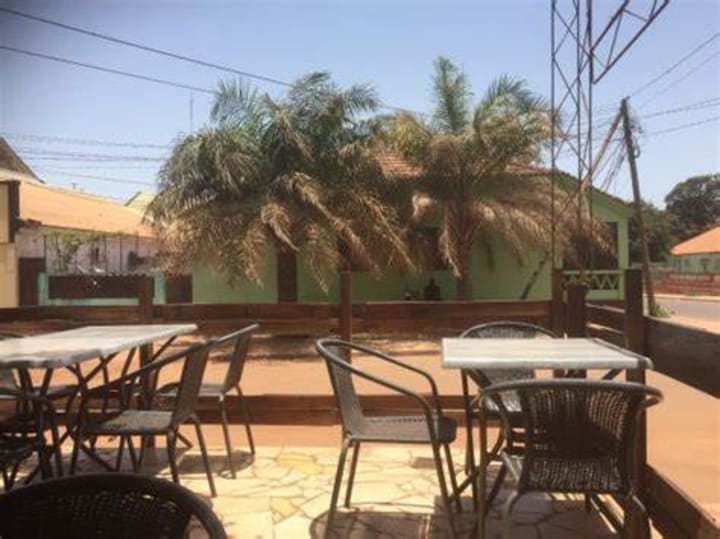
The capital city also has many great restaurants which offer anything from traditional meals to Belgian waffles and even pizza. Many of them have courtyards or terraces. For a taste of culture visit the French or Portuguese cultural centers which offer free concerts, movies, and lectures in the evenings.
Getting to Know Guinea-Bissau
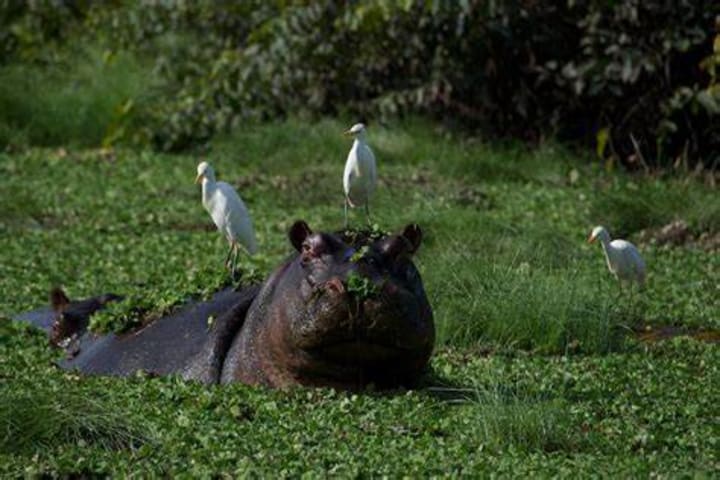
Orango Island will have you delighting at the hippos that drift in and out of the lagoons of Orango Grande. There is a distinct national park that visitors enjoy where you can see rare salt-water creatures in their natural habitat. There are local guides who can take you on wetland safaris on the waterways and mangroves. There are also sparkling white beaches, a single, community-run hotel, and some local tribes with long-held traditions.
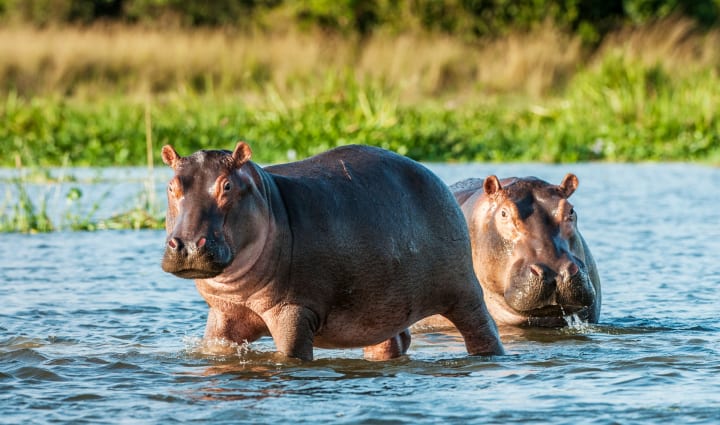
Dulombi-Boe National Park is the largest of Guinea-Bissau’s national parks. It offers winding river channels and pockets of riparian woodland. There are large stretches of grassy savannah. The Corubal flows from the inland hills heading toward the Atlantic Ocean. There is a lot of wildlife with chimpanzees being one of the rarest. You can also expect to spot African cats and many grazing herds in the fields.
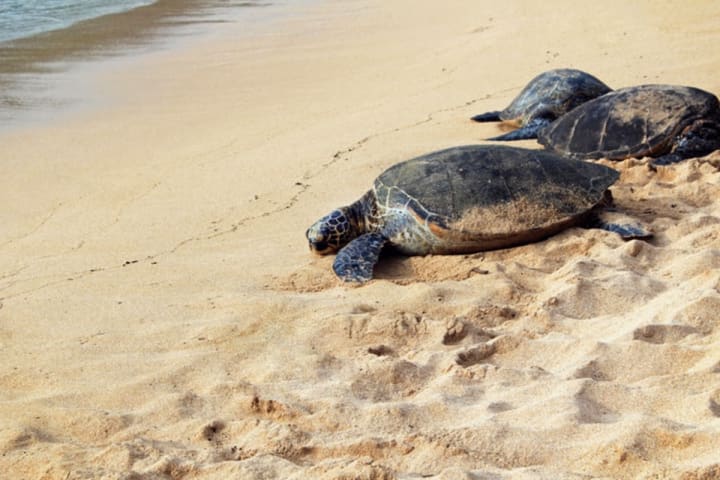
Joao Vieira Island is where endangered Atlantic sea turtles come to lay their eggs on sandbanks. This whole area is now encompassed by a national marine reserve. Visitors can hop aboard a carved piragua (traditional Guinea-Bissau canoe) and take a ride through the inlets and wetlands. The sandy stretches and palm-lined dunes are home to rare marine creatures.
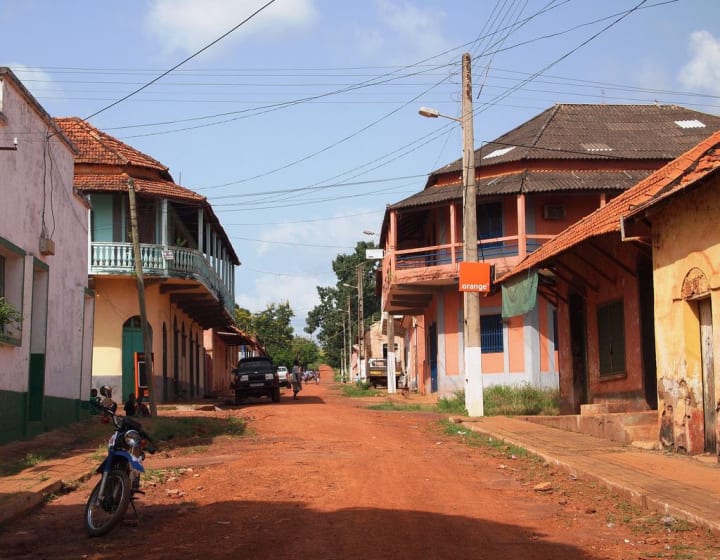
Bafata is the birthplace of the celebrated independence revolutionary Abel Djassi. This little riverside town has its own kind of charm. There are green areas, palm trees, and it is located at the spot where the Geba joins the Colufe. It is surrounded by jungles that are home to crocs, interesting West African mammals, rare monkeys, and many more.
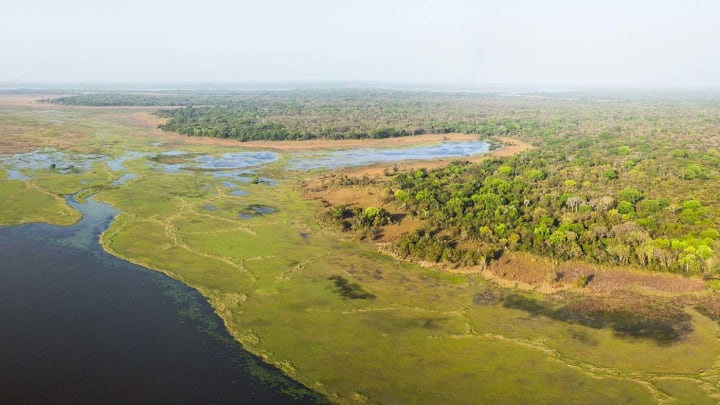
Lagoas Cufada Natural Park is a playground for hippos and huge waterbucks. Joining in on the fun are galloping herds of African buffalo, laughing hyenas, and stalking leopards. This is the most bio-diverse region in all of Guinea-Bissau. The park is sandwiched between the Rio Grande de Buba to the south and the wide Corubal to the north. The reserve gets its name from the many lagoons and wetland habitats.
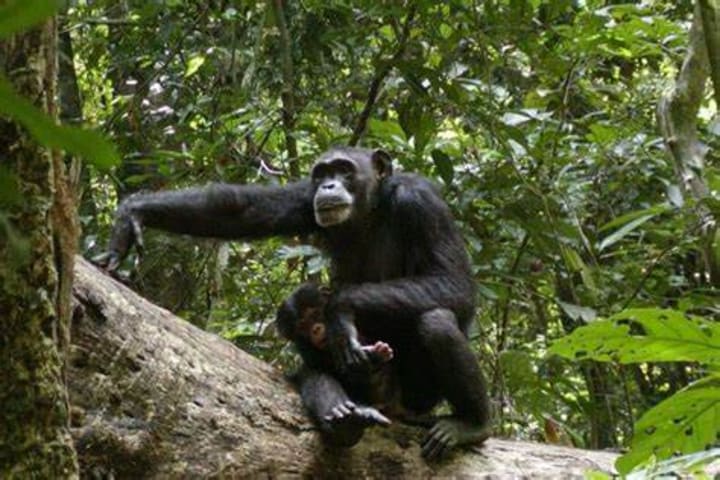
There are palm oil groves and perhaps you can spot some chimps swinging from the branches of trees.
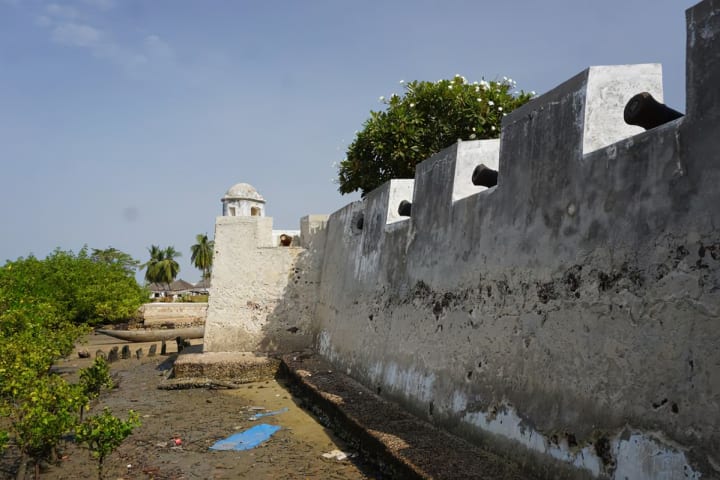
Cacheu is considered to be one of the earliest European settlements in West Africa. It is located on the edge of a great waterway that leads up into the continental highlands and the turns of the Canjambari River. From the 1600s it was a slaving center and today you can see many relics that show this dark history. There is even an old fort that was built by the Portuguese in the 16th century. You can see a local craft market and explore mangrove swamps.
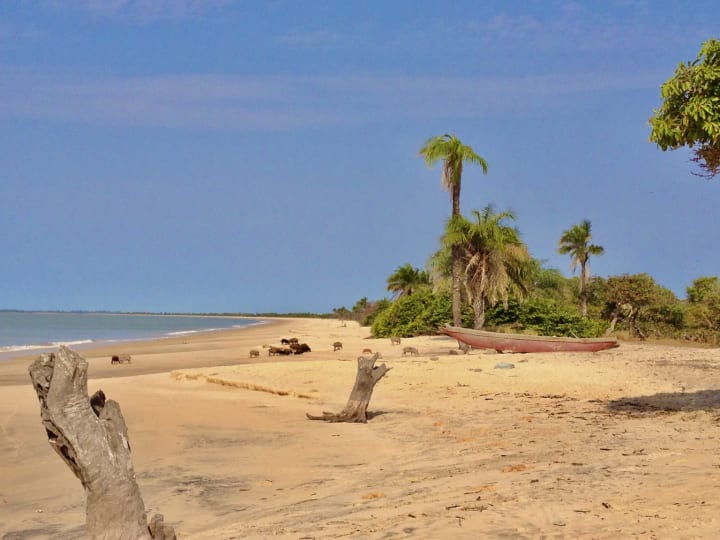
Varela is a beautiful area which is also a national park. There is a lovely coastline. You’ll see muddy mangrove rivers, populations of sea turtles, and dusty dunes with seagrasses. In the savannah grasses and dense forests live Nile crocodiles and hippos. There are Dijola tribal villages to see and much more.
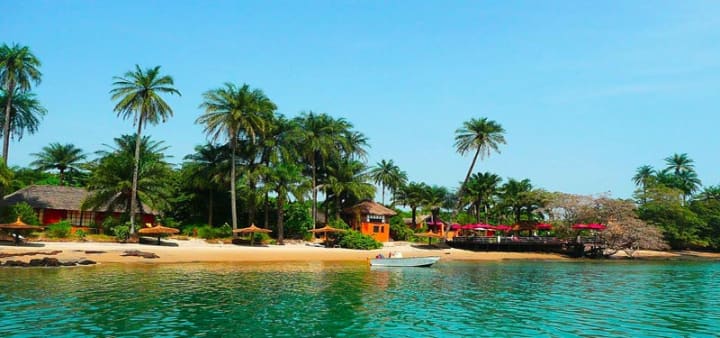
Rubane Island can be reached by ferry. It greets visitors with backcountry forests and ivory-white sands. There are tall palm trees along the shore with some cliffs. The only place to stay here is the Ponta Anchaca resort. There are small fishing hamlets and deserted coves.
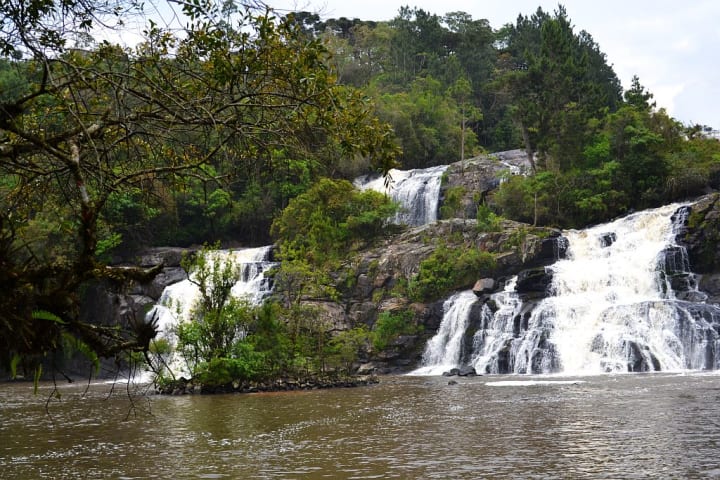
Of particular interest here is the Saltinho Waterfall gushing over stepping stones and escarpments.
About the Creator
Rasma Raisters
My passions are writing and creating poetry. I write for several sites online and have four themed blogs on Wordpress. Please follow me on Twitter.
Keep reading
More stories from Rasma Raisters and writers in Wander and other communities.
Worth the Wait: Puerto Viejo, Costa Rica
Beach bumming in a small Caribbean beach town sounded like a perfect way to end our 6-month trip through Mexico and Central America. Or so we thought. The foul, fishy stench of rotten seaweed hit our nostrils as we stepped from the cramped bus and looked out at a rather depressing, empty, and underwhelming black sand beach. It was pouring with rain, and we had to quickly fish out our ponchos. We thought, this couldn’t be it, could it?
By Sh*t Happens - Lost Girl Travel5 days ago in Wander
What Makes Overwater Dreams So Irresistible (And Why They're Here to Stay)
Overwater accommodation represents one of hospitality's most enduring innovations. These structures suspended above tropical waters continue capturing imaginations decades after their introduction, proving their appeal extends far beyond fleeting trends.
By Claudia Fennela day ago in Wander


Comments
There are no comments for this story
Be the first to respond and start the conversation.