
The Fascinating World of Chinese Fishing Nets in Kochi, Kerala
Get information about Chinese Fishing Nets for your trip to Kochi.

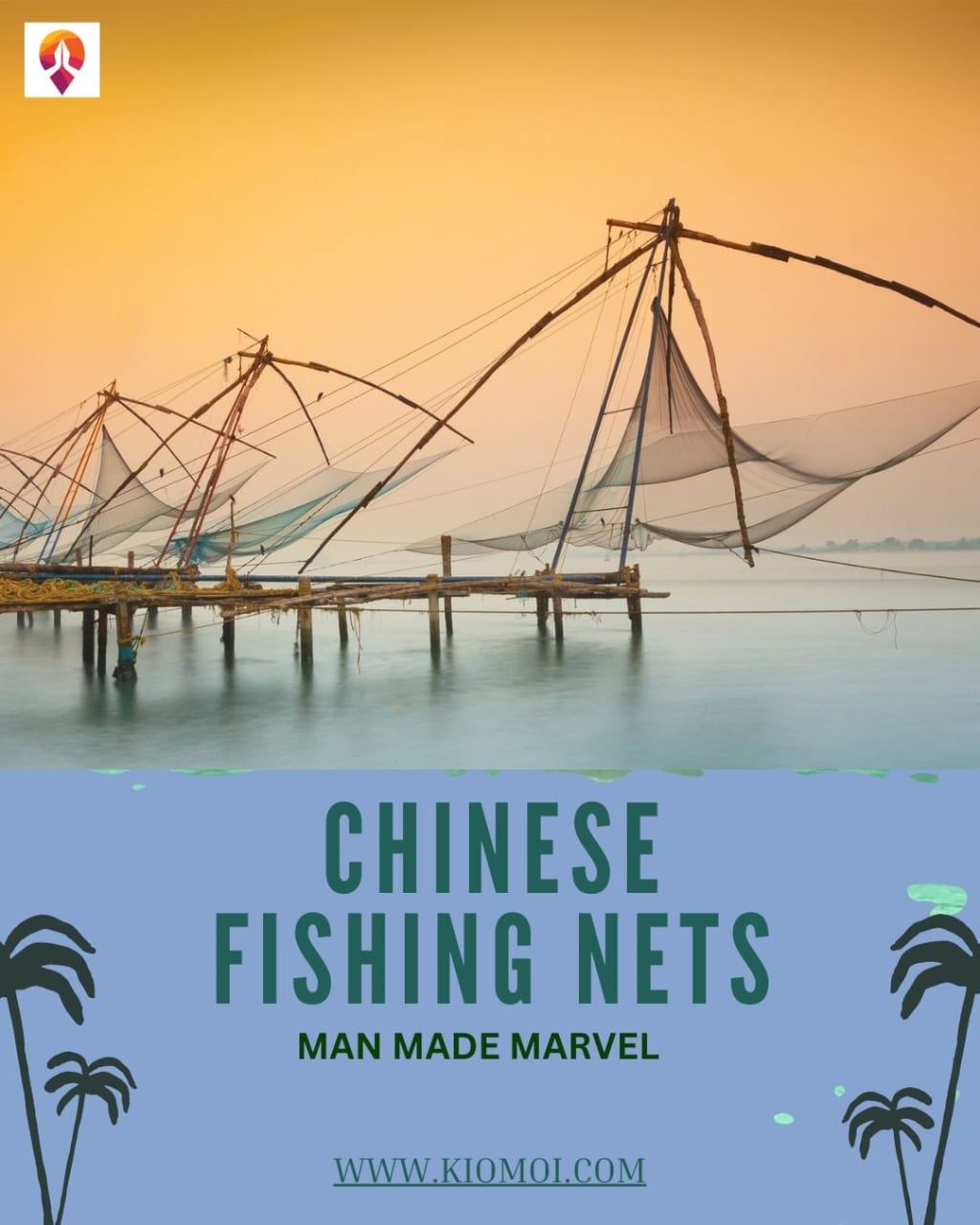
The picturesque coastal town of Kochi (Cochin) in Kerala is renowned for its rich history, vibrant culture, and stunning landscapes. Among its most iconic sights are the Chinese fishing nets, a unique and ancient fishing technique that has become synonymous with the region. In this article, we will explore the Chinese fishing nets Kochi, delve into their history, understand how they work, Chinese Fishing Nets Entry Fee and discuss their significance in the local economy and culture.
What Are Chinese Fishing Net Kochi?
The Chinese fishing nets, locally known as "Cheena Vala," are enormous cantilevered fishing nets that are a hallmark of Kochi's waterfront. These large structures are made of bamboo and teak wood, supported by a framework of ropes and pulleys. The nets can be easily operated by a small group of fishermen, making them a practical choice for catching fish in the backwaters and coastal regions of Kerala.
Structure and Functionality
The basic structure of a Chinese fishing net consists of:
A Horizontal Frame: This frame is fixed at one end and can be raised or lowered.
A Large Net: Attached to the frame, the net can be spread out over the water and drawn back in, capturing fish as it is pulled.
Counterweights: Typically made of stones, these help in balancing the net and making the operation easier.
What is the history of Chinese fishing nets in Kerala?
The history of Chinese fishing nets in Kerala dates back several centuries, believed to have been introduced by Chinese traders during the reign of the Ming Dynasty in the 15th century. The technique is said to have been brought to the Malabar coast by the famous Chinese explorer Zheng He, who traveled to India for trade and diplomatic relations.
Cultural Significance
The Chinese fishing nets have since become an integral part of Kochi's cultural and economic landscape. They symbolize the blending of different cultures and highlight the region's historical trade connections with China. The nets are not only a fishing tool but also a tourist attraction, drawing visitors who wish to witness this traditional method of fishing firsthand.
How Do Chinese Fishing Nets Work?
Using a Chinese fishing net is both an art and a science. Here’s a breakdown of how they operate:
Setting Up: The nets are typically set up on the shore, anchored by a sturdy frame. The fishermen secure the net with ropes that are attached to the frame.
Lowering the Net: To catch fish, fishermen pull on the ropes to lower the net into the water. The net is spread out horizontally over the water, allowing it to capture fish swimming beneath it.
Using Counterweights: As the net is lowered, the counterweights play a crucial role in keeping the net taut and ensuring it remains submerged to maximize the catch.
Raising the Net: After a few minutes, the fishermen pull on the ropes again to raise the net. This requires teamwork and coordination, as the net can be quite heavy when filled with fish.
Collecting the Catch: Once the net is raised, the fishermen collect the fish trapped within and sort them for sale.
Environmental Considerations
While Chinese fishing nets are an effective method for catching fish, their use has raised some environmental concerns. Overfishing and changes in water quality have impacted fish populations, making sustainable practices crucial for the long-term viability of this fishing technique.
Chinese Fishing Nets Kerala: A Tourist Attraction
The Chinese fishing nets in Kochi have become a must-see attraction for visitors to Kerala. Tourists flock to the waterfront to witness the fishermen at work, take photographs, and enjoy the scenic views of the Arabian Sea. The sight of these massive nets against the backdrop of a stunning sunset is a breathtaking experience that many cherish.
Chinese Fishing Nets Entry Fee and Accessibility
The Chinese fishing nets are located along the coast of Fort Kochi, easily accessible from various parts of the city. There is generally no specific entry fee to view the nets, but some areas may charge for guided tours or special viewing experiences. It's advisable to check locally for any applicable fees or organized tours that may enhance your visit.
Culinary Delights and Local Economy
The catch from Chinese fishing nets contributes significantly to the local economy. Fresh fish caught using this traditional method is sold at nearby markets and served in local restaurants, adding to the culinary diversity of Kerala. Dishes like fish curry and fried fish, made from the day's catch, are popular among both locals and tourists.
Supporting Local Communities
Visiting the Chinese fishing nets not only offers a glimpse into a unique fishing tradition but also supports local fishermen and their families. By purchasing fresh fish directly from them or dining at local establishments that serve fish, tourists contribute to the livelihoods of those who depend on this age-old practice.
Conclusion
The Chinese fishing nets in Kochi are more than just a fishing tool; they are a symbol of the rich cultural heritage and history of Kerala. Their unique design and method of operation are a testament to the ingenuity of the local fishermen who have preserved this technique over centuries. As you explore the coastal charm of Kochi, witnessing the operation of these nets is an experience that connects you to the past while contributing to the present.
Whether you are a history buff, a nature lover, or simply seeking a unique experience, the Chinese fishing nets in Kochi are sure to leave a lasting impression. Embrace the local culture, enjoy the fresh seafood, and appreciate the harmonious relationship between tradition and nature that these nets represent.
About the Creator
Akash
Akash is a tour guide consultant who provides advice and guidance to the Indian tourist regarding their travel
related queries in the best possible way to satisfy the customers.
Why Hanifaru Bay is a Dream Destination for Marine Life Enthusiasts
Hanifaru Bay, situated in the Baa Atoll in the Maldives, is one of the earth's most bizarre protected marine areas. This protected zone has a special reputation for the annual visitation of mantas and whale sharks and provides a chance for a nature enthusiast to explore the wonders of the ocean.
By ameliarosanna2 days ago in Wander
A Mountain Overture Beneath the Alps
I met this mountain feast at dawn, the moment I pushed open the window. The wind rushed in, carrying the damp scent of pine needles and fresh grass. Lifting my eyes, I saw the Alps stretching their boundless arms in the morning light. The distant peaks wore crowns of silver, their snow gleaming with a sacred glow beneath the rising sun. Dark gray mountain faces, like ancient books worn smooth by time, stood in silent devotion, bearing this purity upon their backs.
By CeeCee Yana day ago in Wander


Comments
There are no comments for this story
Be the first to respond and start the conversation.