
The Everest Base Camp Distance: A Journey of Adventure, Challenges, and Discovery
Mount Everest, the world’s tallest peak, has always been a symbol of adventure and exploration.


Mount Everest, the world’s tallest peak, has always been a symbol of adventure and exploration. While summiting this majestic mountain is a feat only a few achieve, trekking to Everest Base Camp (EBC) is a goal that many adventure enthusiasts aim for. Located in the Khumbu region of Nepal, the trek to Everest Base Camp is not only a physical challenge but also a spiritual and cultural experience. Understanding the distance to Everest Base Camp and what it entails is essential for anyone planning this incredible journey.
Overview of the Everest Base Camp Trek
The trek to Everest Base Camp is one of the most popular trekking routes in the world. The journey combines breathtaking views of towering peaks, encounters with the Sherpa culture, and the sense of achievement that comes with walking through some of the world’s most stunning landscapes. While the trek is demanding, it is achievable for most people with a good level of fitness and determination.
Starting Point: Lukla
The trek typically begins in Lukla, a small mountain town in the Solu-Khumbu region. Lukla is accessible via a short but thrilling flight from Kathmandu. It sits at an altitude of 2,860 meters (9,383 feet) and serves as the gateway to the Everest region. The trek to Everest Base Camp starts here, winding through lush valleys, alpine forests, suspension bridges, and picturesque villages.
Total Distance to Everest Base Camp
The total trekking distance from Lukla to Everest Base Camp and back is approximately 130 kilometers (80 miles). This is typically divided into about 65 kilometers (40 miles) each way, with gradual ascents and descents. However, due to the terrain, altitude, and acclimatization days, the trek often takes about 12–14 days to complete.
Distance by Day
Here’s a breakdown of the distance covered during the trek:
Day 1: Lukla to Phakding
Distance: ~9 kilometers (5.6 miles)
Elevation: 2,860 meters (9,383 feet) to 2,610 meters (8,563 feet)
Duration: 3–4 hours
Highlights: A relatively easy start through villages and green valleys.
Day 2: Phakding to Namche Bazaar
Distance: ~12 kilometers (7.5 miles)
Elevation: 2,610 meters (8,563 feet) to 3,440 meters (11,290 feet)
Duration: 6–7 hours
Highlights: Crossing suspension bridges over the Dudh Koshi River and reaching the bustling town of Namche Bazaar.
Day 3: Acclimatization Day in Namche Bazaar
Distance: ~3–4 kilometers (optional acclimatization hike)
Elevation: Hike up to 3,800 meters (12,467 feet) and back to Namche
Highlights: Day hikes to viewpoints like the Everest View Hotel for stunning vistas of Everest, Lhotse, and Ama Dablam.
Day 4: Namche Bazaar to Tengboche
Distance: ~10 kilometers (6.2 miles)
Elevation: 3,440 meters (11,290 feet) to 3,867 meters (12,687 feet)
Duration: 5–6 hours
Highlights: Visiting Tengboche Monastery, a spiritual and cultural hub in the region.
Day 5: Tengboche to Dingboche
Distance: ~11 kilometers (6.8 miles)
Elevation: 3,867 meters (12,687 feet) to 4,410 meters (14,468 feet)
Duration: 5–6 hours
Highlights: Expansive views of peaks like Ama Dablam and Lhotse.
Day 6: Acclimatization Day in Dingboche
Distance: ~4–5 kilometers (optional acclimatization hike)
Elevation: Hike up to 4,900 meters (16,076 feet) and back to Dingboche
Highlights: A climb to a ridge above Dingboche for a panoramic view.
Day 7: Dingboche to Lobuche
Distance: ~12 kilometers (7.5 miles)
Elevation: 4,410 meters (14,468 feet) to 4,940 meters (16,207 feet)
Duration: 5–6 hours
Highlights: The route passes through the memorial area dedicated to climbers who lost their lives on Everest.
Day 8: Lobuche to Everest Base Camp via Gorakshep
Distance: ~15 kilometers (9.3 miles) round trip
Elevation: 4,940 meters (16,207 feet) to 5,364 meters (17,598 feet)
Duration: 7–8 hours
Highlights: Reaching the iconic Everest Base Camp, surrounded by icefalls and glaciers.
Day 9: Gorakshep to Kala Patthar and Pheriche
Distance: ~13 kilometers (8 miles)
Elevation: 5,545 meters (18,192 feet) at Kala Patthar to 4,371 meters (14,341 feet) at Pheriche
Duration: 7–8 hours
Highlights: A sunrise hike to Kala Patthar for one of the best panoramic views of Mount Everest.
Day 10–12: Return Journey
Distance: ~65 kilometers (40 miles)
Route: Pheriche → Namche Bazaar → Lukla
Duration: 3–4 days
Highlights: Retracing your steps through the beautiful Khumbu Valley.
Challenges of the Distance
Although the trek's total distance may not seem insurmountable for seasoned hikers, there are specific challenges that make this journey demanding:
Altitude:
As the elevation increases, oxygen levels drop significantly. Altitude sickness is a common concern, especially above 3,000 meters (9,843 feet). The trek is planned with acclimatization days to help trekkers adjust.
Terrain:
The route is rugged and includes steep ascents, descents, and uneven trails. While no technical climbing is involved, the physical demands are considerable.
Weather Conditions:
Weather in the Everest region is unpredictable. While the spring (March to May) and autumn (September to November) are the best times to trek, temperatures can still drop below freezing at higher altitudes.
Tips for Managing the Distance
Train in Advance:
Build your endurance with cardiovascular exercises, hiking, and strength training several months before the trek.
Acclimatize Gradually:
Stick to the recommended itinerary with acclimatization days to avoid altitude sickness.
Pace Yourself:
Avoid rushing; a steady pace helps conserve energy and allows your body to adjust.
Hydrate and Eat Well:
Drink plenty of water and consume energy-rich foods to stay fueled.
Pack Light:
Carry only essentials and use a porter to manage the heavier load.
Cultural and Scenic Highlights Along the Distance
Sherpa Villages: Villages like Namche Bazaar and Tengboche provide insight into the Sherpa way of life, their hospitality, and traditions.
Suspension Bridges: Cross iconic bridges adorned with prayer flags, offering stunning views of rivers and valleys below.
Monasteries: The Tengboche Monastery, set against the backdrop of Everest, is a spiritual sanctuary.
Himalayan Vistas: The trek offers unparalleled views of peaks like Everest, Lhotse, Nuptse, Ama Dablam, and many others.
Conclusion
The trek to Everest Base Camp is more than just covering a distance of 130 kilometers; it’s a journey of personal discovery, cultural immersion, and physical challenge. Every step brings you closer to nature’s grandeur and the inspiring resilience of the human spirit. Whether you’re an avid trekker or someone seeking a once-in-a-lifetime adventure, the Everest Base Camp trek promises an unforgettable experience.
As you prepare for this adventure, remember that the trek is not just about reaching the destination but also about enjoying the journey, embracing the challenges, and celebrating the triumphs along the way.
About the Creator
Keep reading
More stories from Himalayan Trekkers and writers in Wander and other communities.
What to Expect on the Everest Base Camp Trek
The Everest Base Camp (EBC) trek is one of the most iconic and sought-after adventures for trekkers worldwide. Nestled in the heart of the Himalayas, this journey offers stunning views, rich cultural experiences, and a sense of achievement that few other treks can match. However, the journey to the base of the world's tallest mountain is no walk in the park. It requires preparation, endurance, and a clear understanding of what lies ahead. Here, we delve into what you can expect on this unforgettable trek.
By Himalayan Trekkers12 months ago in Wander
Whispers of Winter
"There are places where the holiday season doesn’t just arrive — it settles in. It curls around you like a wool scarf, it glows like a candle in a frosted window, and it whispers stories you swear you’ve heard before. Today, we’re stepping into one of New England’s most enduring traditions: the Enchanted Village at Jordan’s Furniture in Avon, Massachusetts."
By Kristen Barenthaler7 days ago in Wander
Loving you has only just begun
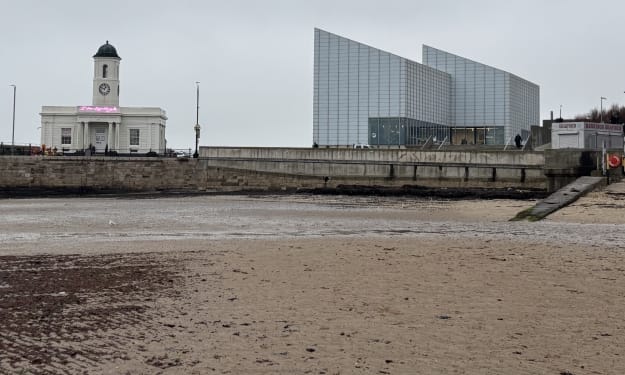
Expect to see more of this photographic exploration of the Kent coastal town of Margate and nearby areas from me. This is my new home-to-be. Part of the Cinque Ports confederation, which dates back to around 1050, Margate sits at the far north-eastern point of Kent. The term Cinque Ports was first used in the 12th century, at a time when the official language throughout England was Norman French. Over the centuries, this language became assimilated with the Saxon, Danish, Celtic and other languages, evolving into modern English.
By Raymond G. Taylorabout 11 hours ago in Wander



Comments
There are no comments for this story
Be the first to respond and start the conversation.